Rodrigo Duterte ICC Hearing: The Hague Finally Wakes Up to Philippines Drug War Crimes
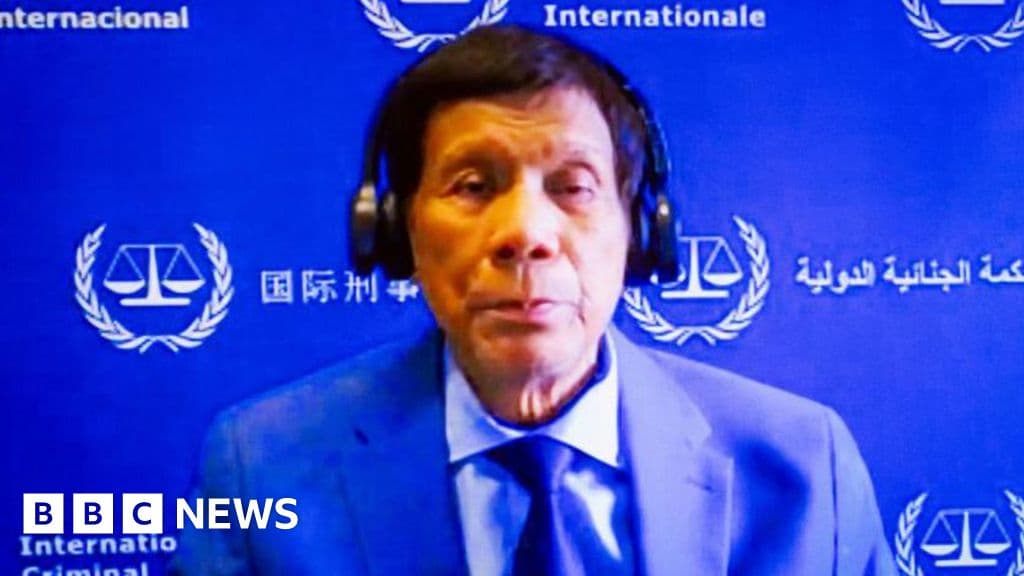
It is always a touching scene—and prime content for global headlines—when the world finally decides to care about a tragedy that everyone watched happen in real time. We are seeing it now with the **International Criminal Court (ICC)**, or as the fancy lawyers call it, the bastion of international justice. Judges are finally sitting down to hear **charges against Rodrigo Duterte**, the former president of the Philippines, regarding his notorious administration.
They are wearing their nice robes. They are sitting in a clean, air-conditioned room in The Hague, which is a very lovely city in Europe. They are shuffling papers and speaking in calm, measured voices about a man who turned the streets of Manila into a shooting gallery. It is all very civilized. It is all very proper. And frankly, it is all incredibly absurd.
**Duterte is facing charges** related to his infamous "**War on Drugs**." If you have been living under a rock, or perhaps just happily ignoring the news feed because the bounce rate on depression is too high, let me remind you what that was. It was a government program that basically gave permission to kill people suspected of using or selling drugs. Thousands of people died. We aren't talking about a few bad nights. We are talking about a **systematic slaughter** of the poor involving alleged **crimes against humanity**.
The most ridiculous part of this whole legal circus is that Duterte never really hid what he was doing. Usually, when a leader commits acts that violate international law, they try to cover it up. They burn the files. They bury the bodies in secret places. They lie to the press. Duterte was different. He practically bragged about it. He went on television and told the world what he was going to do. He told the police to shoot. He told the public it was for their own good. He was the most honest monster we have seen in modern politics.
So now, years later, the ICC is trying to figure out if there is a case. It is like watching a detective investigate a bank robbery where the robber live-streamed the crime, showed his ID to the camera, and then sat outside the bank eating a sandwich. Do we really need years of legal arguments to figure out what happened? The evidence isn't hidden in a safe; it is buried in the graveyards of the Philippines.
But this is how the "justice" game is played. The international community loves a good process. They love hearings and investigations. It makes them feel like they are doing something important without actually having to get their hands dirty. They can write stern reports and issue warrants that will probably never be served. It is a performance. It is theater for people who like to believe that laws matter more than guns.
The sad truth is that the ICC has no police force. They cannot just fly into the Philippines and put handcuffs on a former president. They need the local government to help them. And right now, the Philippines is run by **Ferdinand Marcos Jr.** If that name sounds familiar, it is because his father was another famous dictator. Do we really think the son of a dictator is going to hand over a former president to a bunch of European judges? It is a nice dream, but I wouldn't bet my lunch money on it.
We must also look at why Duterte was able to do this in the first place. This is the part that makes everyone uncomfortable. He was popular. People cheered for him. When people are scared, they stop caring about human rights. They just want to feel safe. Duterte sold them a simple story: the drug addicts are the problem, and I am the solution. It is the same story strongmen sell all over the world. It works every time because fear is a much stronger emotion than kindness.
The tragedy here isn't just the thousands of dead bodies, though that is horrific enough. The tragedy is that we are all pretending that this court case will fix something. We are pretending that justice is possible. But for the mothers who lost their sons and the children who lost their fathers, a judge in The Hague banging a gavel doesn't change anything. The dead stay dead. The pain stays real.
This hearing is merely a footnote in history. It is a way for the civilized world to wash its hands and say, "Look, we tried." They will argue about jurisdiction and rules of evidence. They will use big words and cite old treaties. Meanwhile, Duterte is an old man, living out his days, likely not losing a single minute of sleep over what these people in robes think of him.
So, let us watch the show. Let us read the headlines and nod our heads solemnly. But let us not fool ourselves into thinking this is justice. Justice would have been stopping the killing when it started, not filing paperwork about it after the blood has already dried. It is simply another act in the global theater of the absurd, where the rules are made up and the points don't matter.
***
### References & Fact-Check * **Primary Event:** [ICC judges hear charges against ex-Philippine president Duterte: What you need to know](https://www.bbc.com/news/articles/c363xd6p1gxo?at_medium=RSS&at_campaign=rss) (BBC News) * **Key Context:** The International Criminal Court (ICC) is investigating alleged crimes committed during the Philippines' "War on Drugs" campaign (2016-2019). The current administration under President Ferdinand Marcos Jr. has stated it will not cooperate with the ICC inquiry.
This story is an interpreted work of social commentary based on real events. Source: BBC News