Ramaphosa Trump Meeting: South African President Details Oval Office 'Ambush' and 'Racist' Policies
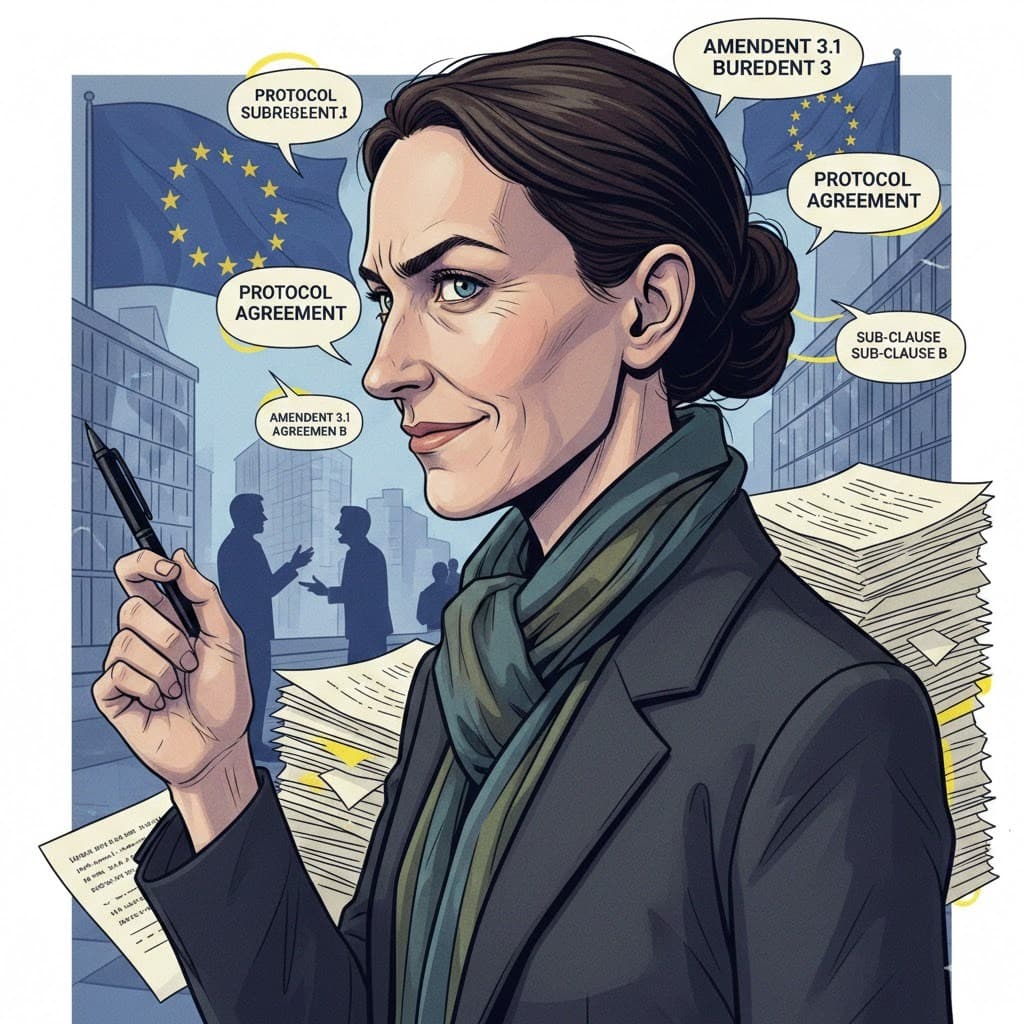
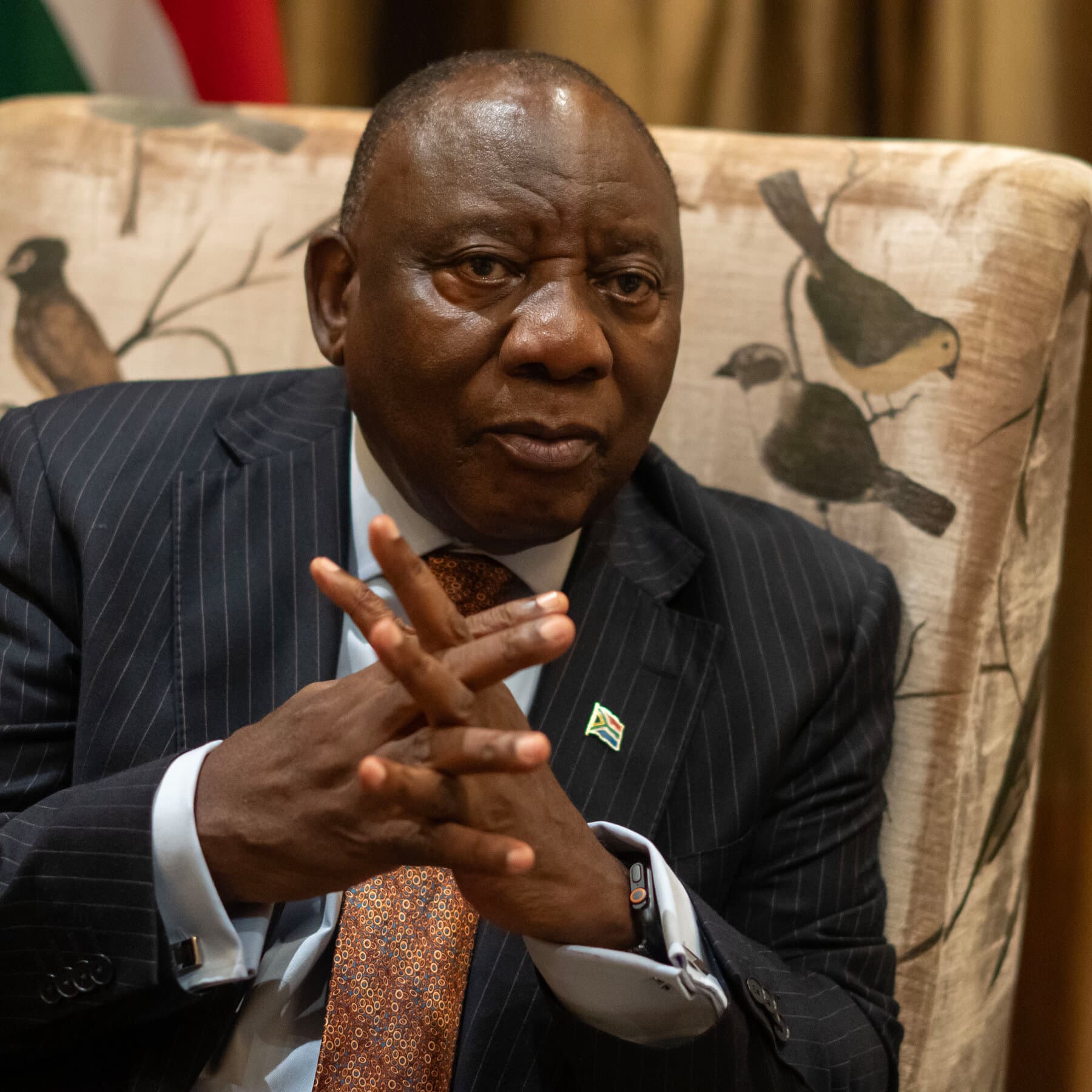
So, here we are again. We are looking at another episode of the great global reality show that pretends to be serious politics. This time, the viral focal point is **South African President Cyril Ramaphosa**. In a bombshell **New York Times interview**, he broke diplomatic protocol to discuss his feelings. Yes, his feelings. He wanted to talk about the time he went to the White House and got caught in what he explicitly describes as an **Oval Office ambush** orchestrated by **Donald Trump**.
It is almost funny if you stop to think about it—or check the trending topics. Here is a man, Ramaphosa, who leads a country with a very heavy history. He knows what real struggle looks like. He knows the brutal history of **apartheid**. He knows serious, heavy politics. And yet, he walks into the Oval Office and seems surprised that it turned into a circus. Did he think he was going for tea and biscuits? Did he think they would sit by the fire and discuss philosophy? It is Donald Trump. Expecting manners from that White House is like expecting a shark to eat with a knife and fork. It just does not happen in this ecosystem.
Ramaphosa described the meeting as an "ambush." In the world of high-level diplomacy, people usually plan everything. They agree on where to stand, what to say, and what color tie to wear for the photo op. But in this new world, the American President throws out the script. He brings in the cameras when nobody expects them. He turns a private chat into a public spectacle. For a leader like Ramaphosa, who is used to the old ways of doing things, this must have been a shock. He felt trapped. He felt used as a prop in someone else’s TV show. And honestly, he was. That is the whole point of the game in Washington these days. If you are not the one holding the camera, you are just part of the set decoration.
But let’s look deeper at what Ramaphosa said regarding **US foreign policy**. He talked about "racist" policies. Now, this is where the irony gets so thick you could cut it with a knife. You have the President of South Africa, a nation that has spent decades trying to heal from the wounds of state-sponsored racism, looking at the United States and saying, "I know what this looks like." It is a stinging slap in the face. When the leader of the country that invented and destroyed apartheid tells you that your policies smell like racism, you should probably listen. But in the theater of the absurd, nobody listens. They just shout louder to gain more impressions.
Then there is this talk of "middle powers." Ramaphosa spoke about the role of countries that are not superpowers but are not small either. He wants them to matter. He wants the world to listen to the guys in the middle. It is a nice thought. It is a very sweet, comforting idea. But let us be cynical for a moment. In a playground run by bullies, nobody cares what the kid in the middle thinks. The big powers—the United States, China, Russia—they play by their own rules. They break the furniture and expect everyone else to clean it up.
Ramaphosa trying to carve out a space for "middle powers" is like trying to reserve a table in a restaurant that is currently on fire. It is dignified, sure. But it is also a bit hopeless. He is trying to bring logic to a world that has gone mad. He is trying to use big words and diplomatic ideas in an era where politicians communicate with angry tweets and viral videos. It is a clash of civilizations, but not the kind history books talk about. It is a clash between the people who think politics is a job and the people who think it is a wrestling match.
And why tell all this to a newspaper now? Why sit down and relive the "ambush"? Because that is the only move left in the modern attention economy. When you cannot win in the room, you go to the press. You tell your side of the story to the intellectuals and the readers who will nod their heads and say, "Oh, how terrible." It makes everyone feel better for a moment. Ramaphosa gets to look like the grown-up in the room. The readers get to feel superior to the chaos. But does it change anything? No.
The "ambush" happened. The policies are what they are. The world keeps turning, and the theater keeps playing. Ramaphosa is just another actor who walked onto the stage, forgot his lines because the director changed the script, and then complained about it in the reviews. It is tragic, it is comic, and it is exactly what we deserve.
***
### References & Fact-Check
* **Original Event Source**: [The New York Times - South African President on Trump’s Oval Office ‘Ambush’ and ‘Racist’ Policies](https://www.nytimes.com/2026/03/05/world/africa/south-africa-ramaphosa-trump-meeting-racist.html) * **Key Subjects**: Cyril Ramaphosa, Donald Trump, US-South Africa Relations. * **Context**: The term "ambush" refers to an impromptu media moment inside the Oval Office that deviated from agreed-upon diplomatic protocols.
This story is an interpreted work of social commentary based on real events. Source: NY Times