Norway’s Polite Fall from Grace: When ‘Poor Judgment’ is the Understatement of the Century
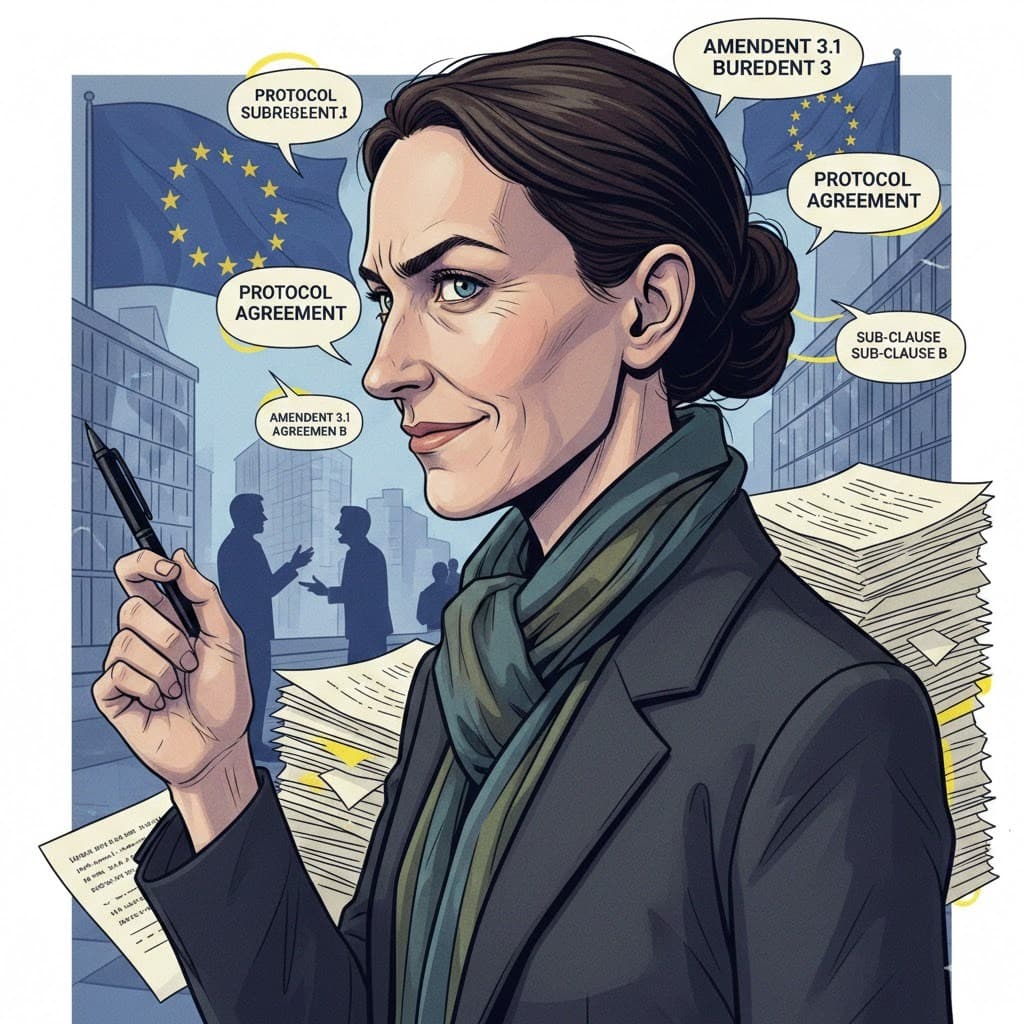
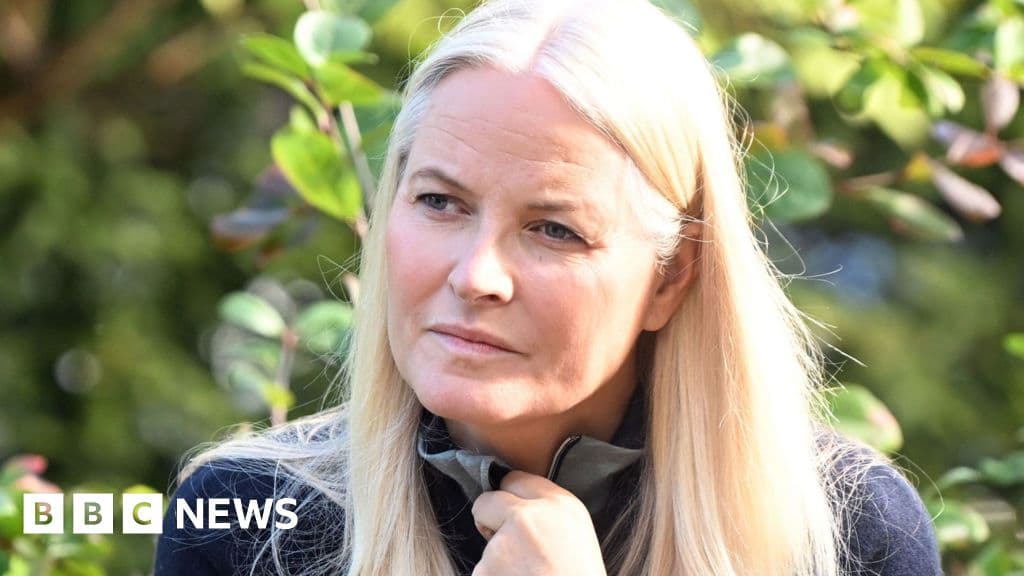
There is a special kind of boredom that comes from watching the world’s most perfect countries trip over their own shoelaces. We look to the north, to Norway, that freezing paradise of oil money, peace prizes, and sensible sweaters. We expect them to be better than the rest of us. We expect them to be the adults in the room while the rest of the world throws food at the walls. But alas, the theater of the absurd has opened a franchise in Oslo, and the show is just as depressing as it is everywhere else.
Here is the latest scene in this tragic comedy. Prime Minister Jonas Gahr Støre has stepped forward. He has put on his serious face. He has looked into the cameras. And with the courage of a man testing the temperature of a lukewarm bath, he has admitted the obvious. He agrees that Crown Princess Mette-Marit showed "poor judgment."
This is regarding her meetings with Jeffrey Epstein. Yes, that Epstein. The one whose name has become a stain on anyone who ever stood within ten feet of him. The Prime Minister is agreeing with the Princess’s own apology. It is a wonderful circle of agreement. Everyone agrees. It was bad. Mistakes were made. Let us nod solemnly and move on.

Let’s pause and look at that phrase: "Poor judgment." It is my favorite phrase in the political dictionary. It is the WD-40 of public relations. It makes everything smooth again. When you or I make a mistake at work, we get fired. When the elites of the world hobnob with convicted sex offenders, it is simply a lapse in judgment. It sounds so minor, doesn't it? It sounds like she ordered the wrong wine at dinner or wore white shoes after Labor Day.
But we are talking about repeated meetings. We are talking about meetings that happened between 2011 and 2013. This is the part that really makes you want to laugh to keep from crying. This wasn't a mystery back then. The man had already been convicted. He had a number. He had a record. The red flags were not just waving; they were on fire. Yet, the Crown Princess of one of the most progressive nations on earth found time for him.
The Prime Minister says the criticism is "legitimate." Well, thank you for that permission. It is good to know that the public is allowed to be angry that their royal representative was hanging out with a predator. It is a relief to know that our anger has been stamped and approved by the bureaucracy. Støre says it was "right of her to apologize." This is what passes for leadership today—stating that water is wet and that apologies are good things.
Why does this bother me? It isn't just the scandal itself. We are used to scandals. We expect the rich and powerful to have dirty secrets. What bothers me is the politeness of the cleanup. The Prime Minister treats this like a minor bookkeeping error. He separates the "judgment" from the person. The judgment was poor, but the system remains perfect. The monarchy is still shiny. The government is still stable.
It reveals the total disconnect between the rulers and the ruled. In the real world, if you hang out with a known criminal, you lose your security clearance. You lose your reputation. In the world of palaces and prime ministers, you issue a statement expressing regret. You admit to "poor judgment." And then the Prime Minister backs you up by saying, essentially, "Yes, she feels bad about it, and I agree that feeling bad is the right way to feel."
It is a masterclass in saying absolutely nothing while pretending to hold the moral high ground. Norway wants to keep its image as the moral superpower of the world. But this story rips the curtain down. It shows that even in the land of fjords and fairness, the elites play by a different set of rules. They protect each other with soft language. They use words like "regret" to shield themselves from words like "accountability."
The Prime Minister had a choice. He could have been truly honest. He could have said, "This is a disgrace and it makes us all look like fools." But he didn't. He chose the safe path. He agreed with the apology. He validated the script. It is sophisticated, it is calm, and it is completely hollow.
So, here we are. The Crown Princess is sorry. The Prime Minister agrees she should be sorry. The press writes it down. And absolutely nothing changes. The theater continues, the actors hit their marks, and the rest of us are left wondering why we bought a ticket to this show in the first place.
This story is an interpreted work of social commentary based on real events. Source: BBC News