Munich Security Conference: Europe Misreads Marco Rubio’s 'Good Cop' Routine Amid US Policy Shift
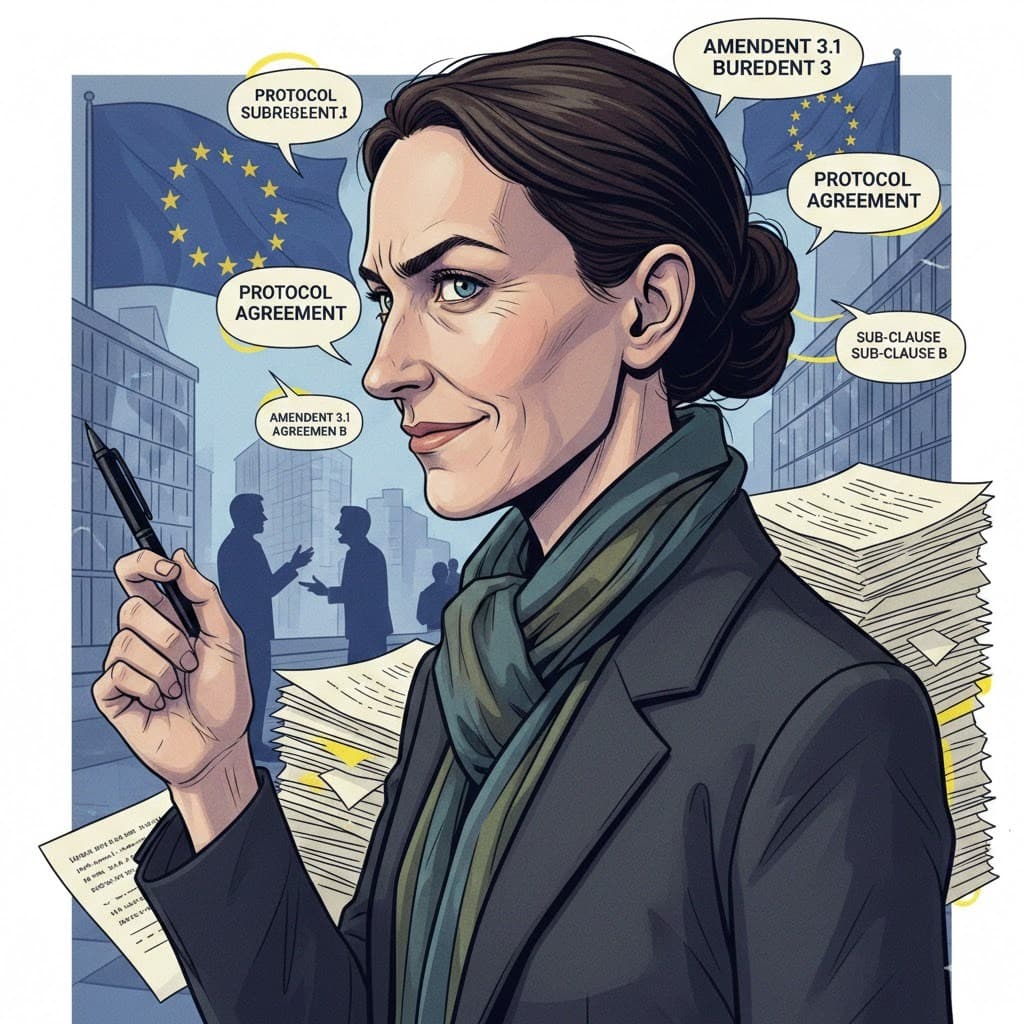

It is truly pathetic to watch the leaders of Europe right now. They remind me of a nervous student waiting outside the principal's office. This week, at the high-stakes **Munich Security Conference**, the mood shifted from existential dread to tentative celebration. Why? Because the American messenger, Secretary of State **Marco Rubio**, didn't scream at them. But let’s look at the analytics: Europe thinks they won the lottery, but they’ve simply fallen for a change in tone regarding the crumbling **transatlantic alliance**.
This is the state of global politics today: a sad theater where optics rank higher than **geopolitical reality**. The Munich Security Conference is basically a fancy club where elites in expensive suits discuss war over espresso. Last year, the keyword was 'panic.' Vice President **J.D. Vance** showed up like a bull in a china shop, delivering the harsh truth: the party is over, America is tired, and **European defense spending** needs to surge. He was loud. He was rude. He scared them to death.
Fast forward to this week. The new interface is Marco Rubio. He walked into the room with a smile, shook hands, and utilized his 'inside voice.' He acted like a professional politician—polished, smooth, and optimized for diplomacy. Just like that, the European officials melted. They whispered, "Oh, thank goodness. He is normal." They are so desperate for a user-friendly interaction that they completely ignored the underlying code of his message.
And what was that message? That is the punchline of this bad joke. If you strip away the nice smile and the calm voice, Rubio’s policy stance was identical to Vance’s. He reiterated that the US is pivoting to compete with **China**, that the **war in Ukraine** is Europe’s mess to clean up, and that the United States is retiring its role as the world's policeman. The only difference is the UX design; he didn't insult them while serving the eviction notice.
Think about how sad that is. It is like a bad marriage. The husband usually throws plates and screams about bills. One day, he sits down calmly and says, "Darling, I am not paying the bills." The wife is so relieved he didn't throw a plate that she forgets they are about to be homeless. That is Europe. They are so beaten down by the chaos of American politics that basic manners feel like a strategic victory.
This sense of "relief" trending in the newspapers is a dangerous illusion. It allows European leaders to return to their capitals and pretend the **NATO** security guarantee is stable. It is a comforting lie that lets them sleep at night without fixing their broken armies or failing economies. They are confusing the delivery man with the package. The delivery man was nice, but the package still contains a bomb.
The Americans are playing a classic game of "Good Cop, Bad Cop." Vance is the bad cop who spikes your blood pressure. Rubio is the good cop who lowers your bounce rate. But both cops want the same thing: for Europe to stop leaning on America. The Europeans pride themselves on sophistication, yet they are falling for the oldest trick in the book, letting a polite tone mask a brutal reality.
So, the officials in Munich can wipe the sweat from their foreheads. They can enjoy their cocktail parties and tell themselves the storm has passed. But the data doesn't lie. The sky is still dark. The money is still running out. The Americans are still checking out of the hotel. The only difference is that this time, they left a polite note on the pillow instead of trashing the room. If that is what passes for success in Europe these days, we are in for a catastrophic decline.
***
### Authoritative Sources & Fact-Check * **Primary Source:** [Europe’s Reaction to Rubio: Relief, Up to a Point](https://www.nytimes.com/2026/02/14/world/europe/europe-reaction-rubio.html) (New York Times) * **Key Event:** Munich Security Conference 2026 * **Subject Context:** Secretary of State Marco Rubio's diplomatic approach versus VP J.D. Vance's rhetoric on US isolationism.
This story is an interpreted work of social commentary based on real events. Source: NY Times