Milan Cortina 2026 Exposed: Homeless Deaths Rise Beneath Winter Olympics Pomp

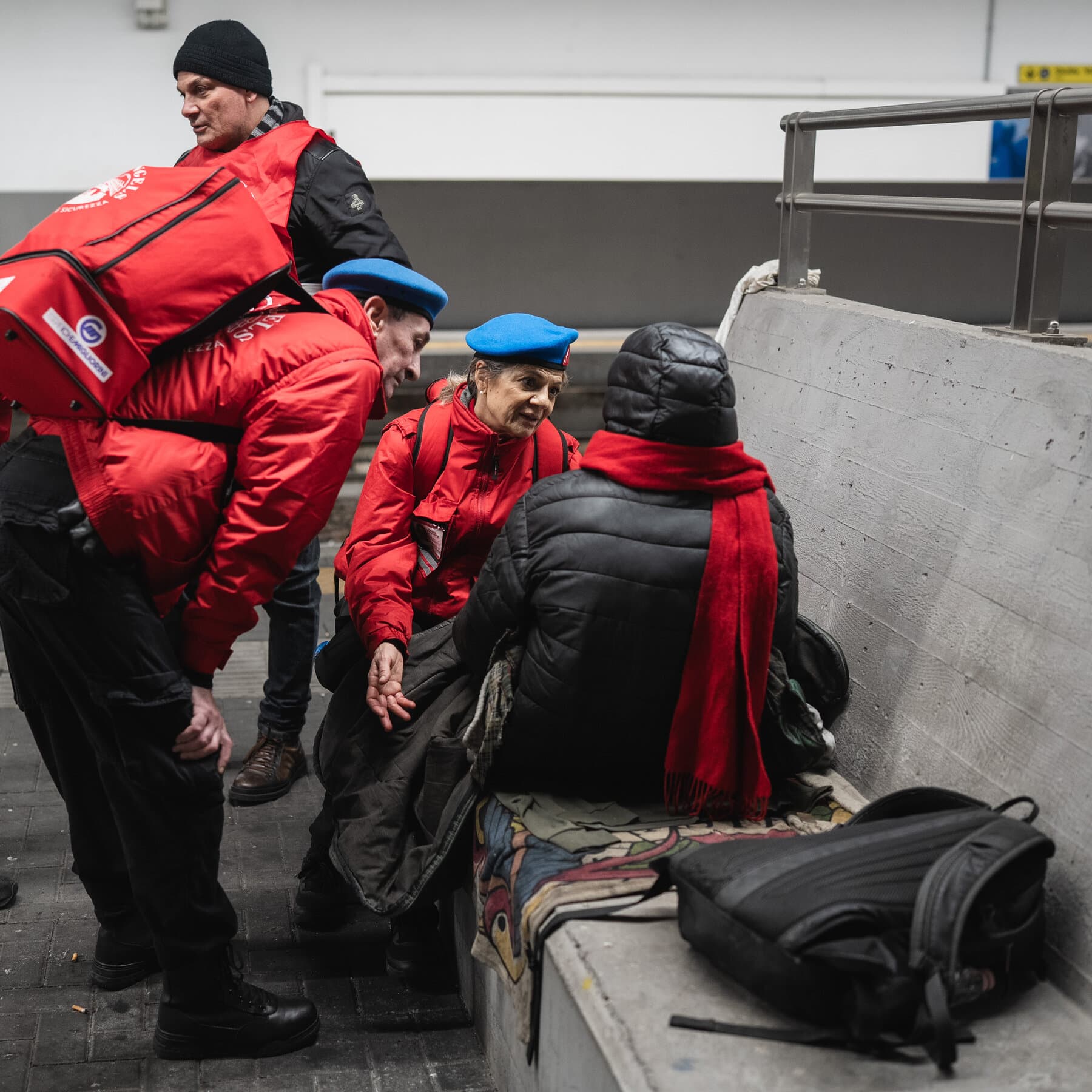
Let us all give a slow clap for modern civilization and the **Milan Cortina 2026 Winter Olympics**. We are absolutely crushing it. In Milan, the fashion capital of the world and current epicenter of the **Winter Games**, we are witnessing a spectator sport that definitely isn't on the official IOC schedule. It is the event where human beings freeze to death on the sidewalks while the global elite cheers for slalom times. Six people have died recently. Six. They didn't die from a mysterious plague or in a war zone; this is a **homelessness crisis in Milan** driven by poverty and exposure. It is simple, pathetic, and trending for all the wrong reasons.
While the 4K cameras are busy zooming in on athletes in aerodynamic suits sliding down groomed slopes, actual human residents are shivering until their hearts stop just a few streets away. The irony is thick enough to cut with a knife. The **Winter Olympics** are marketed as a celebration of snow and ice. We spend billions—dollars, Euros, whatever currency you like—to ensure the skating rinks are pristine and the snow is packed perfectly. We treat frozen water like gold dust. But when that same freezing cold touches a poor person’s skin during this **Milan housing crisis**, suddenly civilization buffers. The cold is a playground for the rich and a death sentence for the poor.
This is the theater of the absurd, optimized for maximum tragedy. Milan is currently basking in the "pomp" of the Olympics—a high-volume keyword for "showing off." The city wants to look like a shiny postcard for the international audience. Politicians and organizers are walking around with big smiles, discussing "unity" and the "human spirit." Absolute rubbish. If there was any human spirit involved, six people would not be dead on the pavement. The only spirit here is the ghost of common sense, which left the building a long time ago.
Let's follow the money, because it always comes back to the **Olympic budget**. To host the **2026 Winter Games**, you need an ocean of cash to build stadiums, hotels, and press centers, plus security to keep the "riffraff" away from the VIP zones. The spending is astronomical—enough to feed and house every homeless person in Italy for a decade. But we don't do that. That wouldn't get good Nielsen ratings. Instead, we burn cash on fireworks while a man curls up in a cardboard box hoping he wakes up.
This is not just a Milan problem; it is a global issue of **social inequality** and wealth disparity. Every time a mega-event lands in a city, leaders try to hide the poor, treating the homeless like dust on the floor. It happened in Brazil, it happened in China, and it is happening now. The message is clear: "Please go die somewhere else, we have company coming."
Think about the tourists and officials walking the streets right now. They are wrapped in expensive coats, drinking five-Euro coffees, walking past the exact spots where these six people died. Their sadness is performative. The widening inequality isn't just a gap; it is a canyon. On one side, you have the best athletes in the world treated like gods; on the other, anonymous victims of the cold. As the "pomp" continues, remember the reality: until we can figure out how to keep people from freezing to death in one of the richest cities in Europe, we are nothing but savages in fancy clothes.
**References & Fact-Check**
* **Primary Source**: *"Away From Pomp of Olympics, Homeless Shiver on Streets of Milan"* – The New York Times (Feb 11, 2026). This report highlights the stark contrast between the Olympic festivities and the deaths of six homeless individuals in Milan due to freezing conditions. * **Context**: The **Milan Cortina 2026** games have faced ongoing scrutiny regarding **infrastructure costs** versus social welfare spending, a common controversy in host cities. * **Trend Data**: The juxtaposition of extreme wealth and extreme poverty during international sporting events remains a critical topic in **urban planning** and **human rights** discourse.
This story is an interpreted work of social commentary based on real events. Source: NY Times