Alex Honnold Climbs Taipei 101: Scaling Taiwan’s Skyscraper Because Elevators Are Too Easy
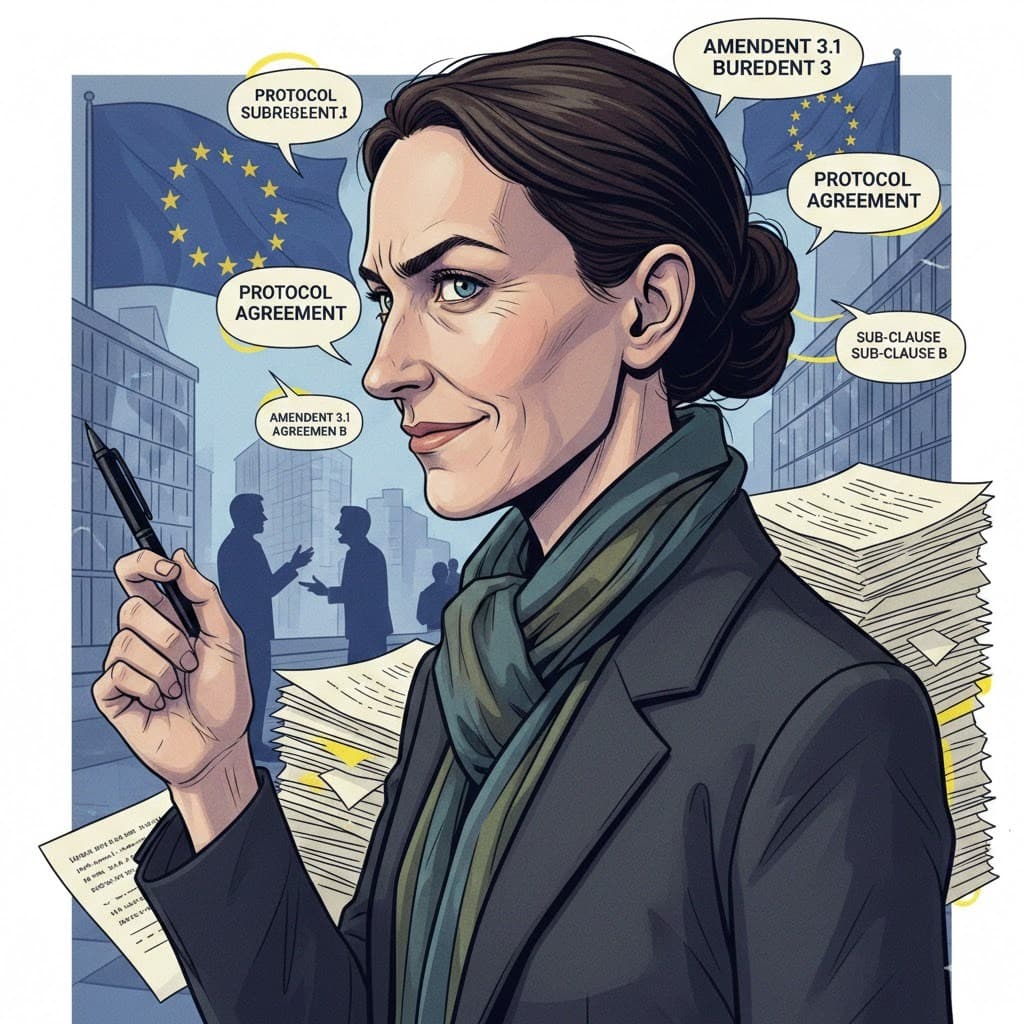
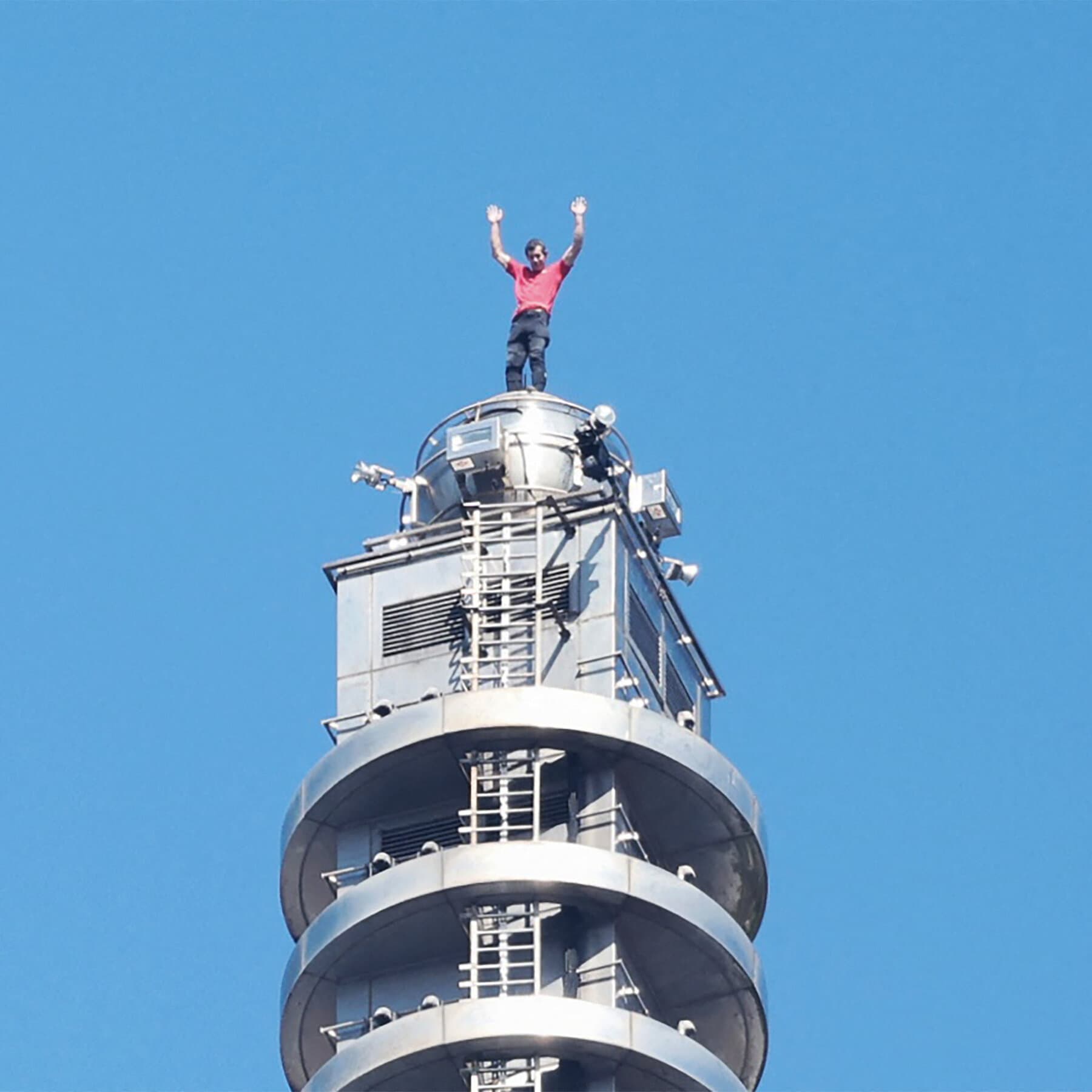
There is something deeply funny about the human need to conquer things that do not need conquering. We spend billions of dollars inventing technology to make our lives easier, and then we cheer for the one guy who decides to do things the hardest way possible. Case in point: Alex Honnold. You probably know him as the specialist who mastered the El Capitan free solo, a feat that made millions of people sweaty just watching it on a screen. Well, apparently, nature is boring now. Rocks are out of style. The new viral trend is the Alex Honnold Taipei 101 climb, scaling giant glass towers filled with accountants and mid-level managers.
Recently, Mr. Honnold decided to climb the Taipei 101 skyscraper in Taiwan. This is a building that is 1,667 feet tall. For those of you who aren't great with numbers, that is very, very high. Most people go to this Taiwan landmark to work, or maybe to shop, or to stand on the observation deck and look down at the little ants on the sidewalk. They take the elevator. The elevator in Taipei 101 is actually famous for being one of the fastest in the world. It is a marvel of engineering. It gets you to the top in seconds, safely, with air conditioning and elevator music. But no, that would be too simple. That would be too civilized. Instead, Honnold decided the best way to get to the top was to cling to the window frames like a lost gecko.
We are told that he is one of only a dozen or so people in the whole world who do this sort of urban climbing. This makes sense. Most of the human population has a basic survival instinct that says, 'Do not hang off the side of a building that is taller than a mountain.' But clearly, this small group of climbers missed that meeting. They look at a sleek, modern tower—a symbol of money and business—and they see a playground. It is almost charming in a way, like a toddler trying to climb a bookshelf, except if the toddler falls, the consequences are much messier.
Let’s think about the scene in Taiwan. You have a building that represents the height of human achievement in architecture and finance. Inside, people are probably stressing over spreadsheets, worrying about stock prices, or trying to fix a paper jam in the printer. And just outside their window, separated by a few inches of glass, is a man risking his life to climb up the side of their office. Imagine looking up from your boring desk job, sipping your lukewarm coffee, and seeing a famous climber staring back at you while hanging by his fingertips. It really puts your bad Tuesday into perspective. The worker is trapped in the corporate rat race inside, and the climber is trapped in a race against gravity outside. Both are struggling, but only one of them gets a round of applause at the end.
The news tells us this was a big event. It was televised. People watched. Why do we watch? We tell ourselves it is because we admire the skill. We say we are inspired by the bravery. But let's be honest with ourselves for a moment. We watch because we are bored. We live in a world that is so safe, so regulated, and so dull that seeing a man dangle off a skyscraper makes us feel something. We need to see someone reject the safety net because we are all wrapped so tight in our own safety nets that we can hardly breathe. We watch him climb the Taipei 101 because deep down, we wish we could escape our own glass boxes, even if we don't actually want to do the physical work of climbing out.
And what happens when he gets to the top? This is the most tragic part of the whole performance. He reaches the summit. He looks out over the city. Everyone cheers. And then? Then he has to come down. He probably took the elevator down. The very machine he ignored on the way up becomes his only way back to reality. The climb achieves nothing practical. The building is not conquered; it is still just a building. The rent is still high. The offices are still full of paperwork. The only difference is that the windows are now covered in fingerprints.
So, congratulations to Alex Honnold for climbing a really tall building. He has proven once again that humans are capable of incredible physical feats when they refuse to use common sense. He climbed a monument to capitalism with his bare hands. It is a perfect metaphor for the modern world: a lot of struggle and danger just to get to the top of a pile of money, only to realize the view is exactly the same as it was from the observation deck.
***
### References & Fact-Check * **Primary Source:** [Alex Honnold Climbs Taipei 101 Skyscraper in Taiwan](https://www.nytimes.com/2026/01/23/world/asia/climbing-buildings-skyscrapers-alex-honnold.html) (New York Times) * **Location Context:** Taipei 101 held the title of the world's tallest building from 2004 to 2010 and remains a significant landmark in Taipei, Taiwan. * **Subject:** Alex Honnold is an American rock climber best known for his free solo ascents of big walls, including El Capitan in Yosemite National Park.
This story is an interpreted work of social commentary based on real events. Source: NY Times