Lee Jae-myung’s Legitimacy Crisis: The Dark Cycle of South Korean Revenge Politics
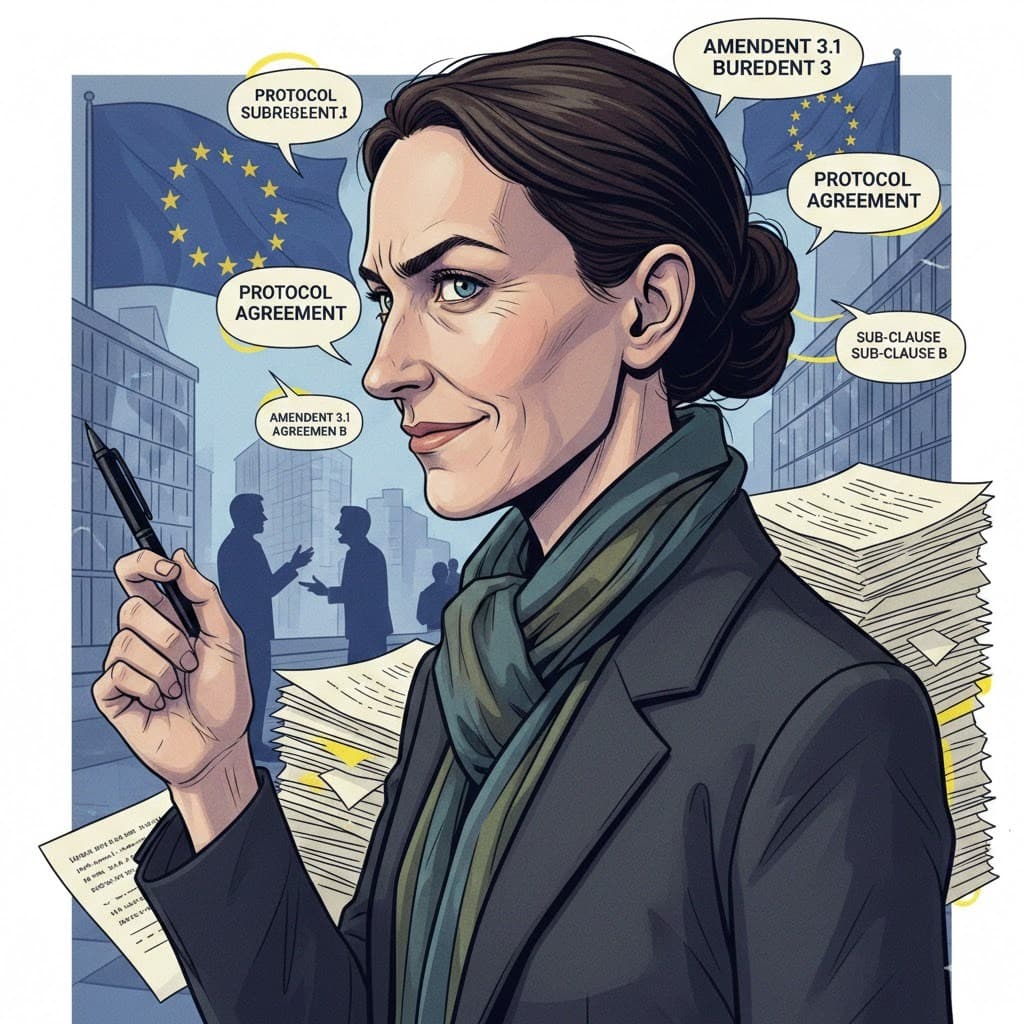
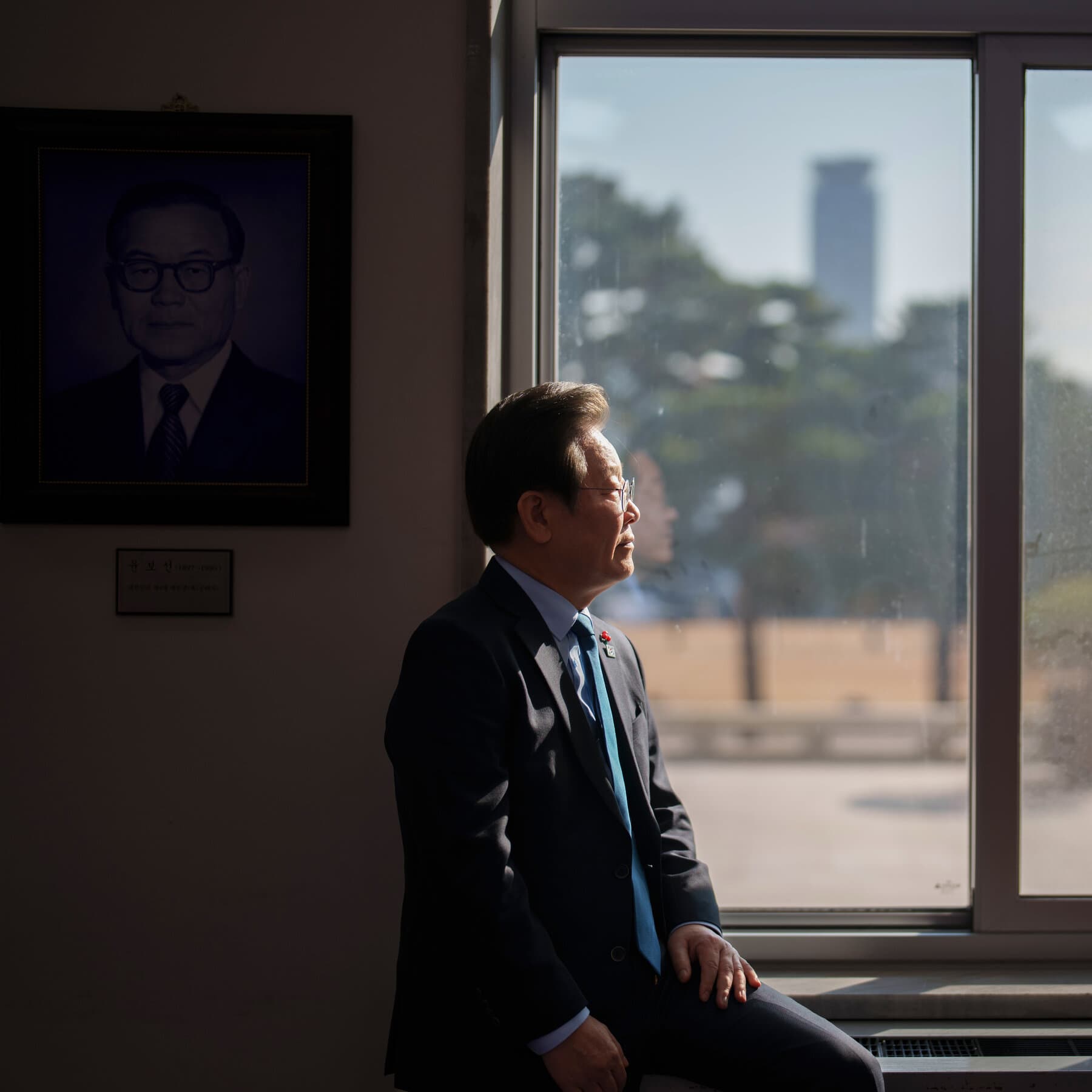
<p>It is a lovely day for a witch hunt, isn’t it? In the grand theater of <strong>South Korea politics</strong>, the nation has decided to put on a very familiar play. It is a show we have seen before, and frankly, the ending is always the same. Recent breaking news confirms that <strong>President Lee Jae-myung</strong> is finally "free." But why? Is it because he solved the <strong>South Korea economic slowdown</strong>? Is it because he fixed the notorious <strong>Seoul housing crisis</strong>? No. He is free simply because his enemy, the man who came before him, has been crushed.</p>
<p>This is what passes for victory these days. The headlines claim President Lee has gained "legitimacy" following his predecessor's legal downfall. Think about how sad that sentence is. His right to rule does not stem from innovative policy or addressing <strong>low birth rates</strong>. It comes from the fact that the other guy—former President Yoon Suk Yeol—is now a convicted criminal. In Europe, we might call this a mess. In Seoul, they just call it Tuesday.</p>
<p>The media warns that "now comes the tough part." This is the part that makes me laugh the most. The tough part is supposed to be governing. You know, that boring thing where you actually have to fix the roads, lower the prices of food, and ensure <strong>youth employment</strong>. But in this toxic political culture, doing the work is secondary. The primary job is staying out of jail yourself while ensuring your opponents end up inside.</p>
<p>We are told that the <strong>political polarization</strong> is "caustic." That is a fancy word for something that burns like acid. It eats through everything it touches. The country is split right down the middle. It is not a disagreement about taxes or foreign policy. It is a tribal war. One side thinks the President is a savior; the other side thinks he is a devil. There is no middle ground. There is no conversation. There is only screaming.</p>
<p>When a leader builds their power on the destruction of an enemy, they build their house on sand. President Lee might feel strong today. He can stand at the podium and smile, knowing his rival is out of the picture. But this kind of strength is an illusion. It is fake. The people who hate him will not suddenly start liking him just because the other guy lost. In fact, they will hate him even more. They will wait for their turn. They will wait for the day they can put the handcuffs on him. It is a cycle of <strong>revenge politics</strong> that never ends.</p>
<p>Meanwhile, the real world keeps turning. The regular people—the ones who wake up early, go to work, and try to pay their bills—are the ones who suffer. They watch this political drama like a bad soap opera. They see their leaders spending all their energy on court cases and investigations, while the price of apartments goes up and the birth rate goes down. It must be exhausting to live in a country where politics is not about improving life, but about destroying the other team.</p>
<p>The cynical part of me—which is the only part of me left—knows how this story ends. The "tough part" that is coming isn't just about policy. It is about survival. The President has won this round. He has cleared the board. But in a game where the only rule is "destroy or be destroyed," there are no permanent winners. There are only people who haven't lost yet.</p>
<p>So, let us clap for the "legitimacy" of the President. Let us pretend that sending a rival to doom is the same thing as being a good leader. But do not be surprised when the wheel turns again. In a few years, we will likely read the same headline, just with the names swapped around. The actors change, but the script remains a tragedy. It is sophisticated chaos, presented as justice. And the audience—the poor, tired public—is forced to pay for the tickets whether they like the show or not.</p>
<hr />
<h3>References & Fact-Check</h3> <ul> <li><strong>Primary Source:</strong> <a href="https://www.nytimes.com/2026/02/20/world/asia/south-korea-lee-yoon.html" target="_blank" rel="noopener">An Enemy’s Fall Frees Up South Korea’s Leader. Now Comes the Tough Part.</a> (The New York Times, Feb 20, 2026)</li> <li><strong>Context:</strong> This interpretation analyzes the political shift following the conviction of the former administration's leadership, discussing the cyclical nature of judicial retribution in South Korean executive politics.</li> </ul>
This story is an interpreted work of social commentary based on real events. Source: NY Times