Le Grinch: A Masterclass in Subtlety and the Gallic Thirst for Maritime Order
There is a particular, wearying rhythm to modern geopolitics that mirrors a low-budget avant-garde play—one where the actors have forgotten their lines but are overcompensating with grand, sweeping gestures. The latest performance took place in the shimmering waters of the Mediterranean, between the coasts of Spain and Morocco, a region usually reserved for the tax-avoiding yachts of the oligarchic class. This time, however, the star of the show was not a sleek cruiser, but a rust-streaked protagonist named the Grinch. One must truly admire the Russian sense of irony; when assembling a 'shadow fleet' to circumvent the righteous indignation of Western sanctions, they chose to name a vessel after a fictional creature known for stealing Christmas. Subtlety, it seems, has gone the way of the gold standard.
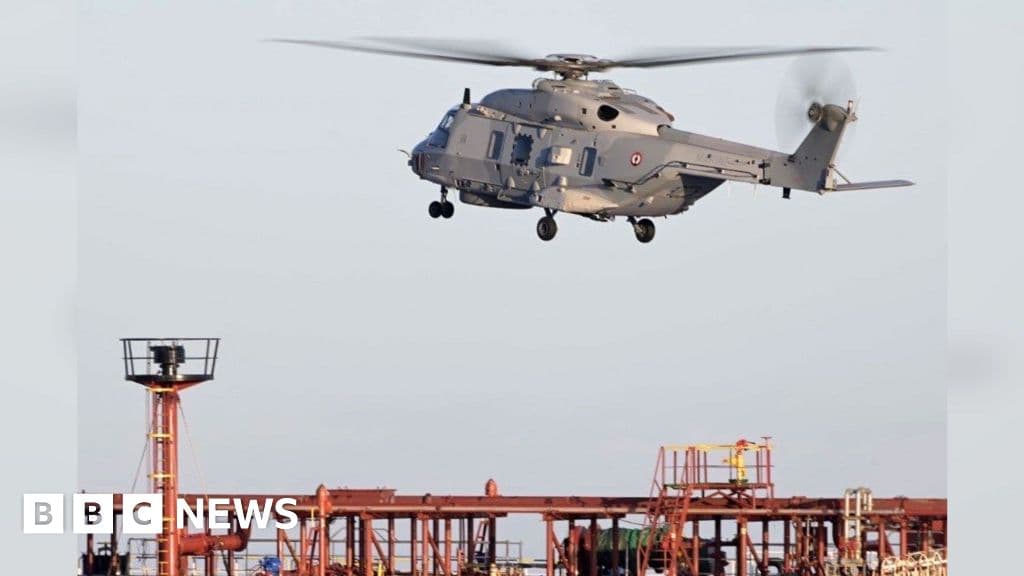
The French Navy, acting with the kind of performative rigor that only a nation obsessed with bureaucracy can muster, intercepted this floating metaphor for global duplicity. The Grinch, a tanker suspected of hauling Russian crude under the radar of international oversight, was stopped in its tracks. It is a moment that the Elysee will undoubtedly frame as a triumph of maritime security and a blow against the Kremlin’s subterranean economy. In reality, it is a localized skirmish in a war of paperwork that neither side truly expects to win. We find ourselves in a world where 'shadow fleets' are about as clandestine as a carnival parade, yet we must all maintain the polite fiction that these vessels are elusive phantoms until they are inconveniently caught in a French net.
To understand the absurdity of the Grinch’s seizure, one must first appreciate the theater of the 'shadow fleet' itself. These are the geriatric ships of the sea, vessels that should have been turned into razor blades or scrap metal years ago, now pressed into service to ferry oil across the globe. They operate in a twilight zone of shifting registries, dubious insurance, and owners who exist only as names on a brass plate in a Caribbean tax haven. The Grinch is merely one cell in a vast, necrotic organism that keeps the global economy breathing. We pretend to be shocked by its existence, yet the very markets that demand these sanctions also demand the oil that these ships carry. It is a quintessential European paradox: we wish to punish the provider while simultaneously warming our homes with the product. We want the moral high ground, but we would prefer it to be heated to a comfortable twenty-two degrees Celsius.
The French intervention is a masterful bit of optics. It allows the European Union to project an image of strength, of a continent that still commands its own waters. But the Mediterranean is a large, porous bathtub. For every Grinch that is stopped and scrutinized by the Gallic authorities, how many other Dr. Seuss characters are currently slipping through the Strait of Gibraltar? The sheer volume of the shadow fleet—estimated to be in the hundreds—suggests that this seizure is less a strategic victory and more a tedious exercise in administrative housekeeping. It is the maritime equivalent of catching a single person for jaywalking while a riot happens in the background.
One cannot help but feel a sense of 'I told you so' regarding the efficacy of these sanctions. The bureaucracy of the EU and its allies creates a labyrinthine set of rules that the rest of the world views as a challenge rather than a deterrent. We have turned international trade into a game of cat-and-mouse where the mouse is an oil-laden tanker and the cat is a navy with a limited budget and a desperate need for a PR win. The Grinch will be tied up in legal proceedings, the lawyers will bill their exorbitant hours, and the oil will eventually find its way into a refinery, possibly after being sold three or four times to obscure its origin. The names of the players change, but the script remains the same.
In the end, the seizure of the Grinch is a perfect distillation of our current era: a collision of incompetence and performative ethics. The Russians are too bored to hide their cynicism, naming their illicit tankers with a wink and a nod. The French are too committed to their role as the continent’s moral gendarmes to ignore a vessel with such a glaringly suspicious profile. And the rest of us are left to watch this unfolding farce, knowing full well that by the time the next winter frost arrives, we will be looking for any Grinch we can find to keep the lights on. It is a tragedy, certainly, but one played for laughs in a theater that is slowly running out of spectators.
This story is an interpreted work of social commentary based on real events. Source: BBC News