LA 2028 Olympics Controversy: Casey Wasserman Scandal Meets 'No-Car' Traffic Nightmare

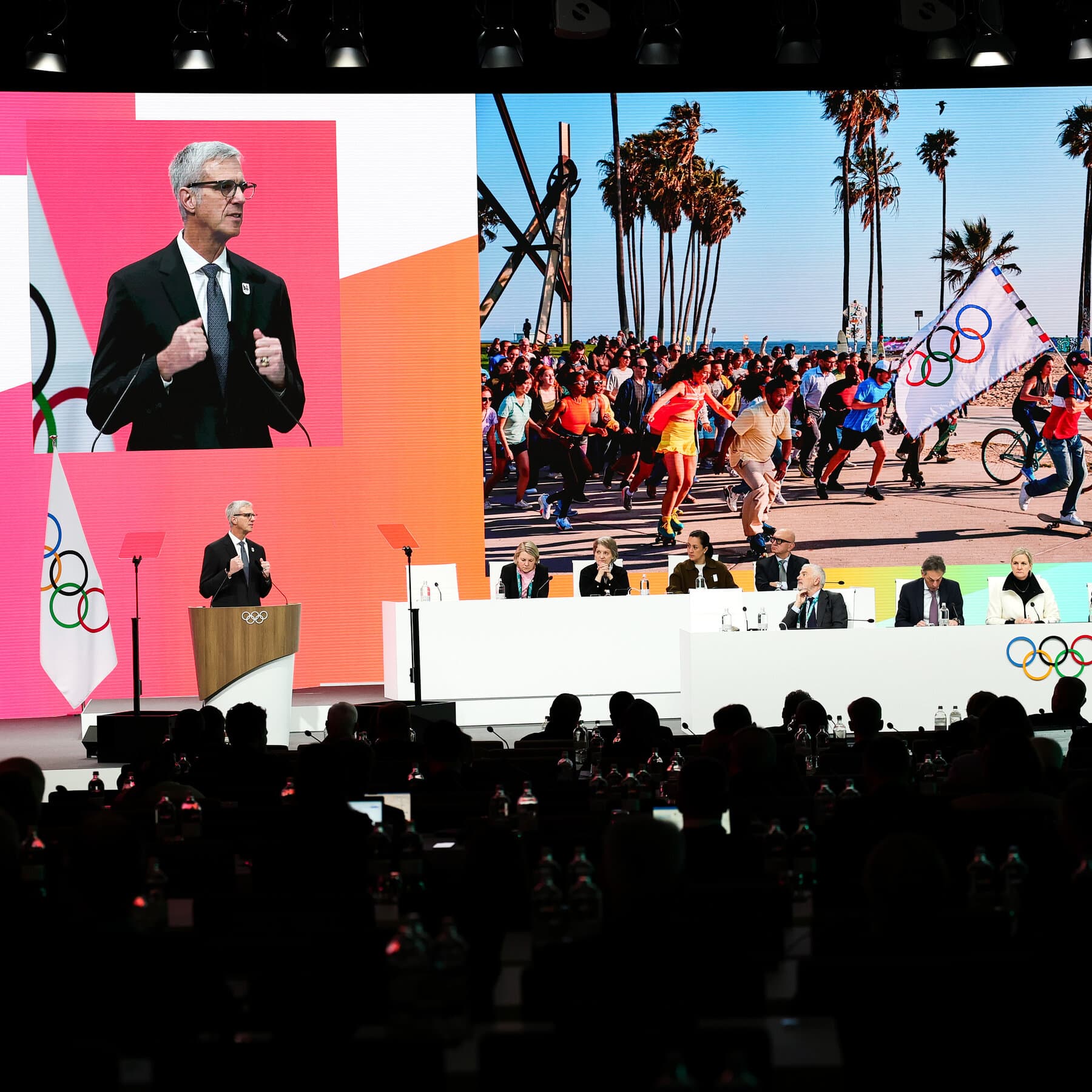
The snow has barely melted in Italy, and the flags from the Winter Games have just come down. Yet, the algorithm—and the world—is already forced to look toward the next great circus: The **LA 2028 Summer Olympics**. If you thought the current geopolitical climate was chaotic, just wait until you see what Hollywood is cooking up. It isn’t a dream; looking at the current data, it’s projecting more like a disaster movie.
Usually, when a host city secures the bid, the press releases are celebratory. But Los Angeles is limping to the starting line. The organizers are already sweating, and the Opening Ceremony is still four years away. The primary keyword in this unfolding drama is **Casey Wasserman**, the chairman of the LA28 group. He is the face of the games, and currently, that face is dealing with a significant reputation management crisis.
New reports have surfaced regarding Wasserman, specifically highlighting a troubling connection to **Jeffrey Epstein**. You know the name; the search volume on it is endless. Epstein ran a ring of abuse involving the ultra-wealthy. While most distanced themselves when the truth broke, reports allege Wasserman stayed in proximity. He claims ignorance—labeling it business or charity—but this is a narrative we have indexed a thousand times from the elite. It is the classic defense: "I didn't see anything."
Public sentiment analysis shows fatigue. We are tired of powerful men protecting each other while the rest of us adhere to the terms of service. This scandal places a stain on the **LA 2028 Olympics** before a single medal is awarded. The games rely on the concept of fair play, yet the man running the show is linked to one of history’s darkest figures. It makes the event feel cheap, dirty, and optically terrible.
But let’s pivot from the moral rot to the logistical reality. This is where the tragedy turns into a dark comedy. Los Angeles ranks globally for one thing above all else: **Los Angeles traffic**. It is a concrete parking lot under the sun. So, what is the strategy? The organizers have promised a "**no-car Games**." They intend to host the Olympics in the capital of car culture without allowing private vehicles at venues. The Mayor insists on public transport, but the infrastructure simply does not exist yet. Trying to expedite ten years of rail construction into four is a project management nightmare. In America, permitting a single bus stop can take a year of meetings.
The contingency plan? Borrowing buses. They estimate a need for 3,000 buses to transport fans and athletes. Since LA lacks this inventory, they plan to borrow aging fleets from cities across America. Imagine thousands of old buses clogging the freeways, creating a **traffic nightmare**. It will be hot, smelly, and inevitably late.
Furthermore, the funding model is shaky. Federal support is subject to the whims of a changing administration in Washington. If that funding evaporates, the plan collapses. Organizers are relying on ticket sales and sponsorships, but brand safety is a major concern for advertisers. Who wants their logo next to an Epstein-adjacent scandal or a gridlocked highway?
We observe this cycle every four years. Cities leverage their budgets to host a two-week party, promising urban renewal, but often leaving citizens with the bill. LA28 is shaping up to be a symbol of our times: ambitious, expensive, and completely out of touch with reality. Get your popcorn ready—this show is going to be absurd.
### References & Fact-Check
* **Original Reporting on Casey Wasserman**: For details regarding the allegations and the leadership concerns surrounding the LA28 chairman, see the [New York Times report: Los Angeles Olympics Have a Cloud of Concerns](https://www.nytimes.com/2026/02/21/us/la-olympics-casey-wasserman-epstein.html). * **Context on LA28 Logistics**: The "no-car" initiative and transportation logistics remain a primary focus of local governance and Olympic planning committees.
This story is an interpreted work of social commentary based on real events. Source: NY Times