Karachi Burns Again: 67 Dead in a Plaza While Officials Pretend They Know What Safety Is
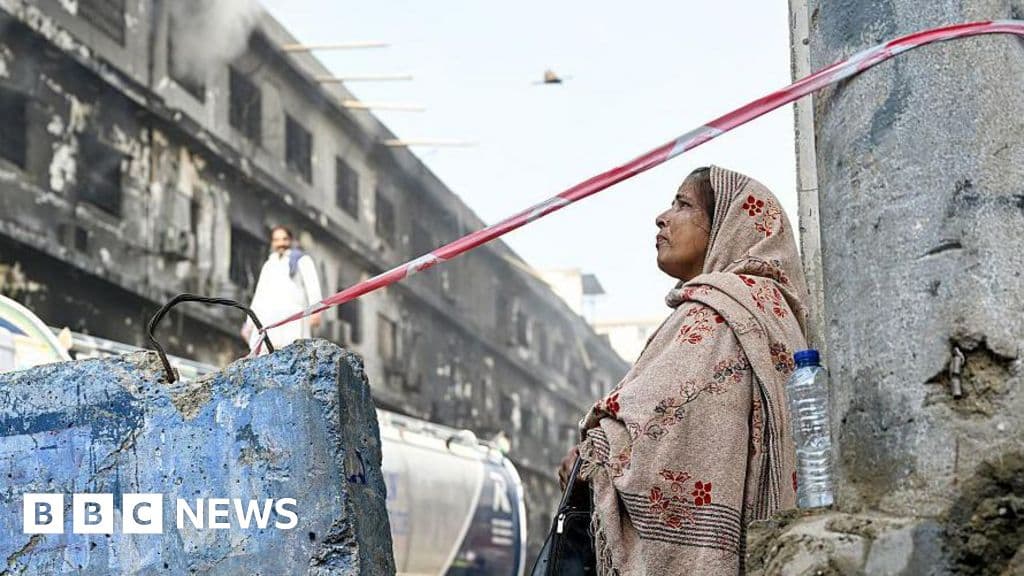
Here we are again. Another day, another massive fire in a building that was likely built with hope, cheap cement, and a complete lack of common sense. The death toll at the Gul Plaza in Karachi has hit 67. Sixty-seven people gone. And honestly, if you are surprised by this, you haven’t been paying attention to how the world works. Especially this part of the world.
To the sophisticated observer—that’s me, by the way—this is not an accident. An accident is when you drop your tea because the cup is hot. This? This is a system doing exactly what it was designed to do. It was designed to make money for a few people, ignore the safety of the workers inside, and then shrug when gravity or fire takes over. The authorities are now busy identifying bodies. That is the news. They are picking through the ashes to find out who they failed this time.
Let’s talk about Karachi. It is a city that vibrates with energy, chaos, and a complete disregard for rules. In Europe, we complain if a fire exit sign has a lightbulb out. We write letters. We have committees. It is boring, yes, but we usually get to walk out of the building alive. In Karachi, a fire exit is often just a rumor. Or worse, it’s a door that has been locked because the manager was afraid someone might steal a pair of jeans. When the fire started at Gul Plaza, do you think the sprinkler system turned on? Do you think a loud alarm told everyone to calmly walk to the designated safe zone? Please. That is a fairy tale. In reality, the smoke started, panic set in, and people realized far too late that their workplace was a trap.
The most tragicomic part of this whole mess is the reaction from the people in charge. You can see it now. The politicians will put on their sad faces. They will wear clean white clothes and stand in front of the cameras. They will say this is a "great tragedy." They will promise an "inquiry." Oh, I love the word inquiry. It is a fancy word for "we will write a report that nobody will read, and we will do it in six months when you have forgotten all about this."
They act shocked. That is what really bothers me. They act as if fire is a new invention. They act as if putting hundreds of people in a concrete box with bad wiring and flammable materials might *not* result in a giant oven. It is insulting to our intelligence. Everyone knows the building codes in these places are just suggestions. A building inspector in Karachi probably doesn't even look at the building. He likely looks at the envelope of cash the builder hands him, smiles, and stamps the paper "SAFE."
Now, the grim work continues. The news tells us that the process to identify the bodies is "ongoing." This is the bureaucratic nightmare that follows the fiery one. Families have to wait. They have to provide DNA. They have to stand in line to find out if their loved one is part of the number 67. It is a slow, painful grind. And the state manages this part with the same efficiency it managed the fire safety—which is to say, poorly.
Why does this keep happening? Because in the grand calculation of things, safety costs money. Sprinklers cost money. Fire-proof doors cost money. Training staff on what to do in an emergency costs money. You know what is cheap? Replacing workers. That is the cold, hard truth that nobody wants to say out loud on the news. To the owners of places like Gul Plaza, the people inside are just parts of the machine. If the machine breaks, you get new parts.
So, we watch the death toll climb. It was lower yesterday. It is 67 today. It might be higher tomorrow as they clear more rubble. We will watch the funerals on television. We will hear the weeping. And then, next week, everyone will go back to work in buildings that are exactly the same as Gul Plaza. The wires will still be exposed. The exits will still be blocked. And the politicians will go back to their comfortable, air-conditioned offices to wait for the next fire so they can pretend to be shocked all over again.
It is a theater of the absurd, and the ticket price is human life. The only thing we can learn from this is that nothing will be learned. The ashes will be swept away, the walls will be painted over, and business will continue. Because the show must go on, even if the theater is burning down.
This story is an interpreted work of social commentary based on real events. Source: BBC News