Japan’s PM Sanae Takaichi Bows to Sumo Tradition: Why the Sacred Dohyo is Off-Limits to Women

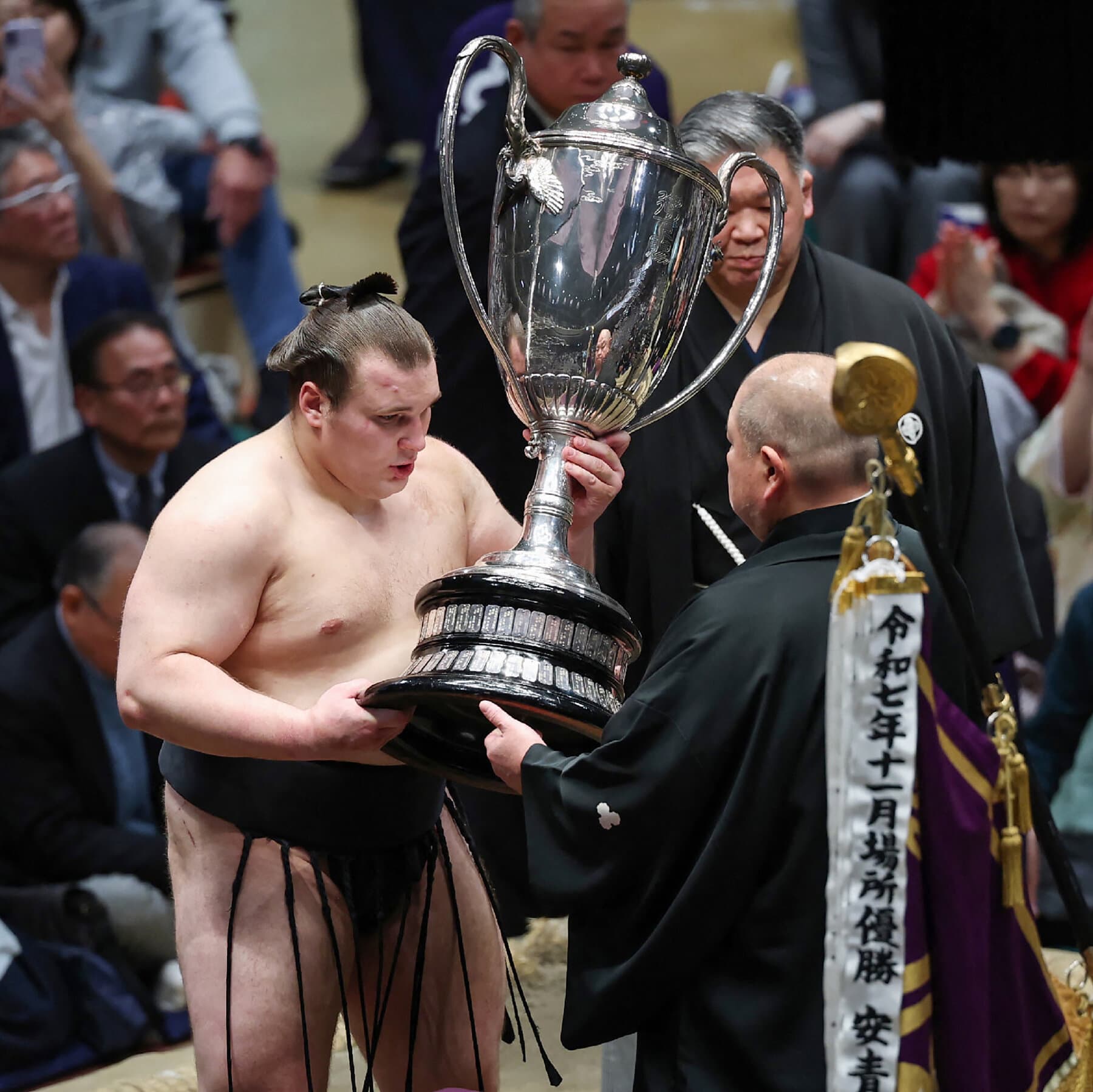
So, it has finally happened. Japan, a country that clings to its fax machines almost as tightly as it clings to bureaucracy, has appointed its first female Prime Minister. Sanae Takaichi has shattered the ultimate glass ceiling. She has climbed to the peak of the political mountain. She holds the highest office in the land, controlling the budget, policy, and the direction of a global economic superpower. But there is one territory this Japan Prime Minister apparently cannot conquer: the sumo ring, or 'dohyo,' a circle made of dirt where large men in loincloths shove one another.
We are talking, of course, about the controversial sumo ban on women. In a move that can only be described as a masterclass in political cowardice—or perhaps just exhausting realism—Prime Minister Takaichi has decided to skip the sumo awards ceremony. Typically, the Prime Minister steps into the ring to present the Emperor’s Cup to the tournament winner. It is a standard photo op; a moment of triumph. But not for her. Why? Because according to strict Shinto tradition, women are deemed 'impure.' If a woman steps into that sacred circle of sand, the spiritual integrity of the sport is supposedly compromised.
Let’s pause and appreciate the SEO-friendly absurdity of this moment. We have a woman trusted with nuclear secrets, the national debt, and diplomatic relations. She is savvy enough to survive the shark tank of the Liberal Democratic Party (LDP). But the moment she approaches a mound of clay used for wrestling, society hits the panic button. The implication regarding gender equality in Japan is clear: you can run the country, Madam Prime Minister, just don't get your 'girl cooties' on our wrestling mats.
The media is framing this as a 'cautious approach' to gender issues. That is a polite euphemism for giving up before the bell rings. Takaichi is known as a conservative; she is not a flag-waving progressive. She aims to align with the old guard. So, instead of leveraging her massive authority to say, 'I am the leader of this country, and I will stand wherever I please,' she is staying in her lane. She is sending a deputy. She is effectively stating that a centuries-old superstition outweighs the dignity of her office.
It is tragic, really. It is the kind of tragedy that makes you want to laugh until you choke on your espresso. By skipping the ceremony, she validates the notion that there are places women—even the most powerful woman in the country—simply do not belong. She signals to every girl in Japan that you can be the boss, but you must still abide by rules written by men who died five hundred years ago.
Think about the logic here. The sumo ring is sacred ground in the Shinto religion. Historically, women have been banned from entering due to menstruation taboos. Yes, in the modern era, political decisions are still influenced by ancient fears of biology. It is fascinating how 'impurity' works. Apparently, corruption, backroom deals, and political scandals—commonplace in male-dominated politics—do not stain the sacred ring. But a woman in a business suit? That is the danger zone.
Takaichi’s decision exemplifies why change is agonizingly slow. One might assume that breaking the ultimate barrier—becoming Prime Minister—would grant a pass to break smaller, sillier ones. Yet, because she is the first, she must be extra careful. She must be 'one of the guys' by respecting the rules that exclude her. It is a twisted mental pretzel: to prove she is a good leader for the conservatives, she must agree that she is second-class regarding sumo tradition.
So, the big men will wrestle. The salt will be thrown. The crowd will cheer. And the Prime Minister of Japan will be somewhere else, safely away from the sacred dirt, ensuring she doesn't offend anyone by simply existing. Welcome to the theater of the absurd, Madame Prime Minister. Try not to touch anything.
***
### References & Fact-Check * **Original Event**: This satire reflects the decision by Prime Minister Sanae Takaichi to forego entering the sumo ring (*dohyo*) to present the winner's trophy, adhering to the Japan Sumo Association's traditional ban on women. * **Source**: *The New York Times* - "Why Japan’s Leader Won’t Enter the Male-Dominated Sumo Ring" (Jan 25, 2026). * **Context**: Despite the rise of women in Japanese politics, the Sumo Association strictly maintains Shinto-based restrictions preventing women from entering the ring, citing ritual purity.
This story is an interpreted work of social commentary based on real events. Source: NY Times