Japan’s 2031 Missile Deployment on Yonaguni: A Slow-Motion Crisis Near Taiwan

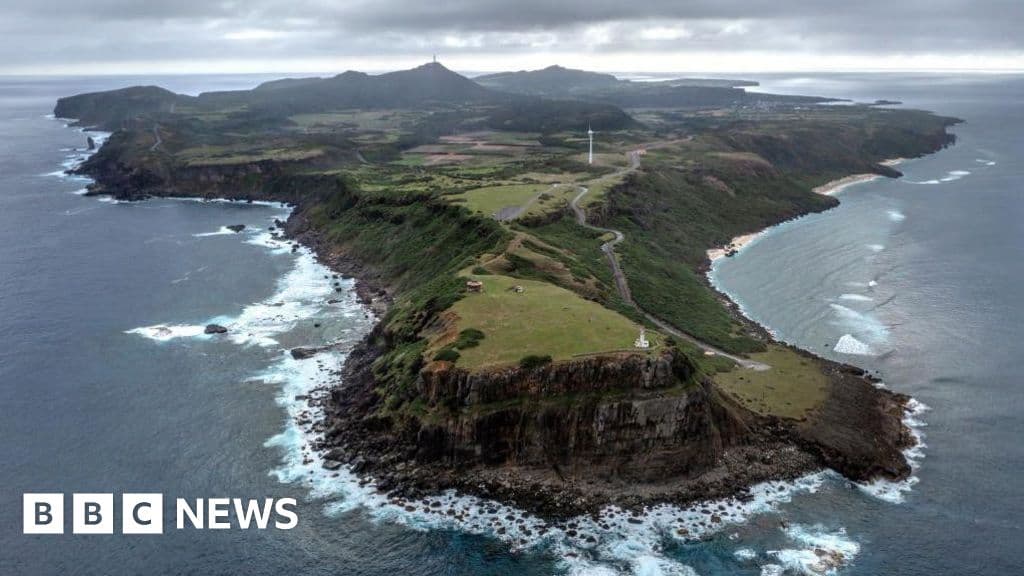
There is a unique 'synergy' in how global powers handle **Japan missile deployment** strategies—treating the end of the world like a bureaucratic Q3 deliverable. The latest optimization in geopolitical theater comes from Tokyo, specifically regarding **Yonaguni island defense**. They have decided to fortify this westernmost speck near **Taiwan** with heavy ordinance. But here is the punchline, the data point that really hurts retention rates: the **Japan Self-Defense Forces** plan to execute this by 2031.
Let that KPI sink in. 2031. That is seven years from now. In the high-velocity landscape of **Taiwan Strait tensions**, seven years is a lifetime. In seven years, the entire geopolitical map could be redrawn. Yet, the military planners in Tokyo have decided that the urgent threat of war can wait until the next decade's roadmap. It is like seeing a fire in your kitchen and deciding to call the fire department next Thursday because that is when your calendar is open. It is absurd. It is tragic. It is exactly what I expect from people who wear suits to discuss **Japan's national security**.
The island in question is Yonaguni. It is a remote, westernmost point of Japan, historically ranking for keywords like hammerhead sharks, diving, and wild horses. It was peaceful. But peace has a low ROI for the people who run the world. Peace does not sell weapons or help politicians capture the 'tough on defense' demographic. So, Yonaguni must be optimized for conflict. It must be turned from a nature spot into a military asset.
Because that is what this is. When you authorize **missile batteries on Yonaguni**, you are not just defending it. You are painting a giant, glowing bullseye on the backs of everyone who lives there. You are signaling to your neighbor—in this case, a very large and very angry neighbor named China—that this specific geolocated spot is now part of the game. The locals did not ask for this. They did not sign up to be the first line of defense in a war over microchips and shipping lanes.
What is truly delicious about this situation is the semantic gymnastics Japan plays. You see, Japan officially renounced war decades ago. They do not call their army an "army." They call it the **Self-Defense Force**. It sounds polite, like a user-friendly interface. But make no mistake: when you are procuring long-range missiles to intercept ships and planes, you have an army.
The cynicism of the timeline is the real pain point. By targeting "2031," the Japanese government leverages ambiguity. They get to signal to the Americans, "We are optimizing our alliance!" And simultaneously, they tell China, "Don't worry, nothing is shipping for seven years." It is a stall tactic. It is the ultimate procrastination, kicking the can down the road in hopes the problem resolves itself before the fiscal year closes.
But history does not respect your seven-year GANTT chart. **Regional security threats** are high right now. Not in 2031. Right now. If an escalation event occurs next year, those missiles scheduled for the next decade will be nothing more than phantom weapons on a budget spreadsheet. Putting missiles on Yonaguni is an act of fear dressed up as strategy. It turns a paradise into a bunker. And telling us it will happen in 2031 is just their way of saying, "We have no idea what to do today, so let's pretend we have a plan for tomorrow."
### **References & Fact-Check** * **Original Event**: The Japanese Defense Ministry has confirmed plans to deploy a missile unit to Yonaguni Island, located just 110km from Taiwan, to strengthen defenses in the Nansei island chain. * **Timeline**: The deployment is part of a broader defense buildup scheduled for completion by fiscal year 2031. * **Source Authority**: [BBC News: Japan to deploy missiles on island near Taiwan by 2031](https://www.bbc.com/news/articles/cd9gj1w2kn1o?at_medium=RSS&at_campaign=rss)
This story is an interpreted work of social commentary based on real events. Source: BBC News