James Luckey-Lange Detained in Venezuela: The Dangerous Reality of Dictatorship Tourism

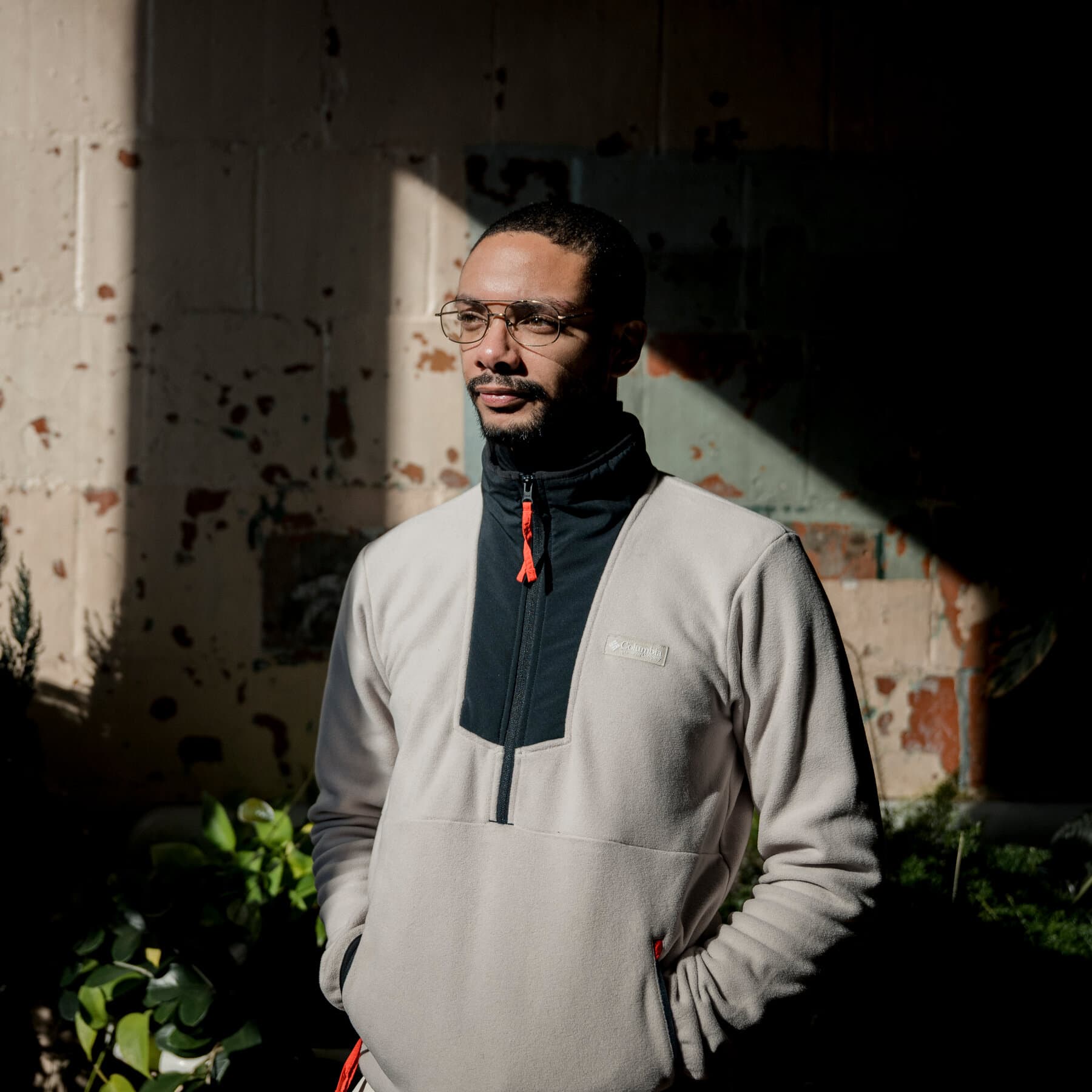
We currently exist in a content ecosystem where audiences are led to believe the entire globe is a friendly, accessible playground. We convince ourselves that "shared humanity" is a universal currency. It is a lovely engagement strategy for social media, but in the real world, it is a dangerous fallacy. **James Luckey-Lange**, a twenty-eight-year-old traveler, discovered this the hard way. While seeking connection, he instead encountered the brutal reality of **Venezuela travel safety** and human rights violations: a concrete floor, shackles, and a regime indifferent to his blog traffic.
James fits the persona of many Western wanderers. He sought to prove that fear is a construct and love is the answer. Consequently, he traveled to Venezuela. However, high-authority historical data confirms that **Venezuela political unrest** makes it a hostile environment, not a backdrop for a casual stroll. The government clings to power with force, and the population faces hunger and militarized policing. James carried his idealism like a shield, but as the search results for **arbitrary detention in Venezuela** will show you, idealism is not an effective defense against a baton.
He recounts being detained, beaten, and starved. He describes being shackled to a wall—conditions that violate basic international human rights standards. While the narrative evokes sympathy, it also demands a pragmatic critique of risk assessment. When one enters a burning building, burns are the expected outcome. To Venezuelan security forces, a foreigner with a camera is not a guest; they are a potential spy, a pawn, or a target for institutional frustration.
James Luckey-Lange's testimony highlights grim details. Starvation in detention is a calculated psychological tool used to strip agency and dignity. For a traveler focused on the "beauty of the human soul," the physical reality of **Venezuelan prison conditions**—empty stomachs and physical trauma—is a jarring system shock. It is one thing to index these concepts intellectually; it is another to experience them viscerally.
We must stop optimizing our worldview for comfort and start acknowledging that geopolitical borders are not just lines on a map; they are often the difference between freedom and a cage. James Luckey-Lange survived to generate this headline. He escaped a trap that holds millions of locals. His story is not just a personal anecdote; it is a high-priority warning signal. Treating a dictatorship like a tourist destination is a gamble with poor odds, and as James found out, the house always wins.
### References & Fact-Check * **Original Report**: [James Luckey-Lange Recounts Being Detained, Starved and Beaten in Venezuela](https://www.nytimes.com/2026/03/05/world/americas/james-luckey-lange-venezuela-detention.html) (New York Times) * **Context**: Verified accounts of detention conditions align with reports from international human rights watchdogs regarding the treatment of foreign nationals in Venezuela.
This story is an interpreted work of social commentary based on real events. Source: NY Times