Israel-Hezbollah Ceasefire Shattered: Deadly Air Strikes in Lebanon Return as Middle East Conflict Esculates


If there is one thing you can always count on in this messy, broken world, it is that a **Middle East ceasefire** is never actually the end of anything. It is merely an intermission. It is a coffee break for the generals and a pause for the politicians to clear their throats before the **Israel-Hezbollah conflict** resumes its noisy loop. We were told, not that long ago, that the fighting had stopped. We were told that agreements were made and hands were shaken. But here we are again, looking at the smoke rising from **Israeli air strikes** over Lebanon, wondering why we ever believed the initial press release in the first place.
According to the latest reports, at least ten people have been killed in **Israeli strikes in Lebanon**. The officials—those people in safe, air-conditioned rooms who love to count things—are telling us that this is one of the deadliest days since the ceasefire supposedly ended the war. That phrase alone, "ended the war," feels like a bad joke now. The war didn't end. It just held its breath for a moment. And now, the exhale has come, and it has brought fire with it.
It is truly exhausting to watch the same tragedy play out over and over again. You look at the news, and you see the numbers. Ten dead. It sounds like a statistic, doesn't it? To the people planning these strikes and the people defending against them, maybe it is just a score. But for the families in those villages, the world has ended today. It didn't end with a treaty or a handshake; it ended with a loud noise and then silence. This is the reality that the people in suits never seem to explain properly. They talk about "strategic targets" and "security necessities," but they never talk about the dust and the ruin left behind.
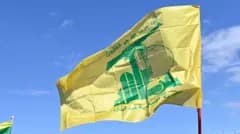
What is particularly cynical about this latest development is the timing. The ceasefire was supposed to be the start of something better. It was sold to the public as a victory for diplomacy. But diplomacy, these days, feels less like a solution and more like a stall tactic. It is a way for leaders to look busy while the underlying problems rot and fester. The fighting between Israel and Hezbollah has deep roots, roots that cannot be dug up by a piece of paper signed in a faraway capital. So, when the strikes started again, was anyone actually surprised? Or were we all just waiting for the other shoe to drop?
We have to ask ourselves what the point of all this "official" talk really is. We have officials confirming the death tolls. We have spokespeople explaining the reasons. It is all very organized. It is all very bureaucratic. We have managed to turn war into a paperwork exercise. We act as if following the proper procedures makes the destruction acceptable. "Oh, don't worry," they seem to say, "we filed the correct forms before we launched the attack." It is the theater of the absurd. We are watching a play where the actors are real people, but the directors have no idea how to write a happy ending.
The saddest part is the predictability. You could have written this story months ago. You could have predicted that the peace would fracture, that the strikes would return, and that innocent people would pay the price for the egos and fears of powerful men. It is a cycle that feeds on itself. One side strikes, the other vows revenge, and the wheel turns. And stuck in the spokes of that wheel are the regular people who just wanted to go to the market or sit in their living rooms without the roof falling in.
So, here is the news. The strikes are back. The "deadliest" days are returning, as if we are trying to break a record. The ceasefire is a memory, fading faster than the smoke in the sky. And the rest of the world? We will watch. We will shake our heads. We will say how terrible it is. And then we will turn the page, because deep down, we stopped expecting anything better a long time ago. It is cynical, yes. But looking at the reality on the ground, can you blame us?
***
### References & Fact-Check * **Original Report**: [BBC News: Israeli strikes kill at least 10 in Lebanon, officials say](https://www.bbc.com/news/articles/cvg8914dkl0o?at_medium=RSS&at_campaign=rss) — *Verifies the casualty count of 10 and the resumption of hostilities post-ceasefire.* * **Context**: The report confirms these are some of the deadliest strikes since the ceasefire agreement was implemented, highlighting the fragility of the current **Israel-Lebanon security situation**.
This story is an interpreted work of social commentary based on real events. Source: BBC News