Israel Expands West Bank Control: How Bureaucracy Becomes a New Weapon in Hebron
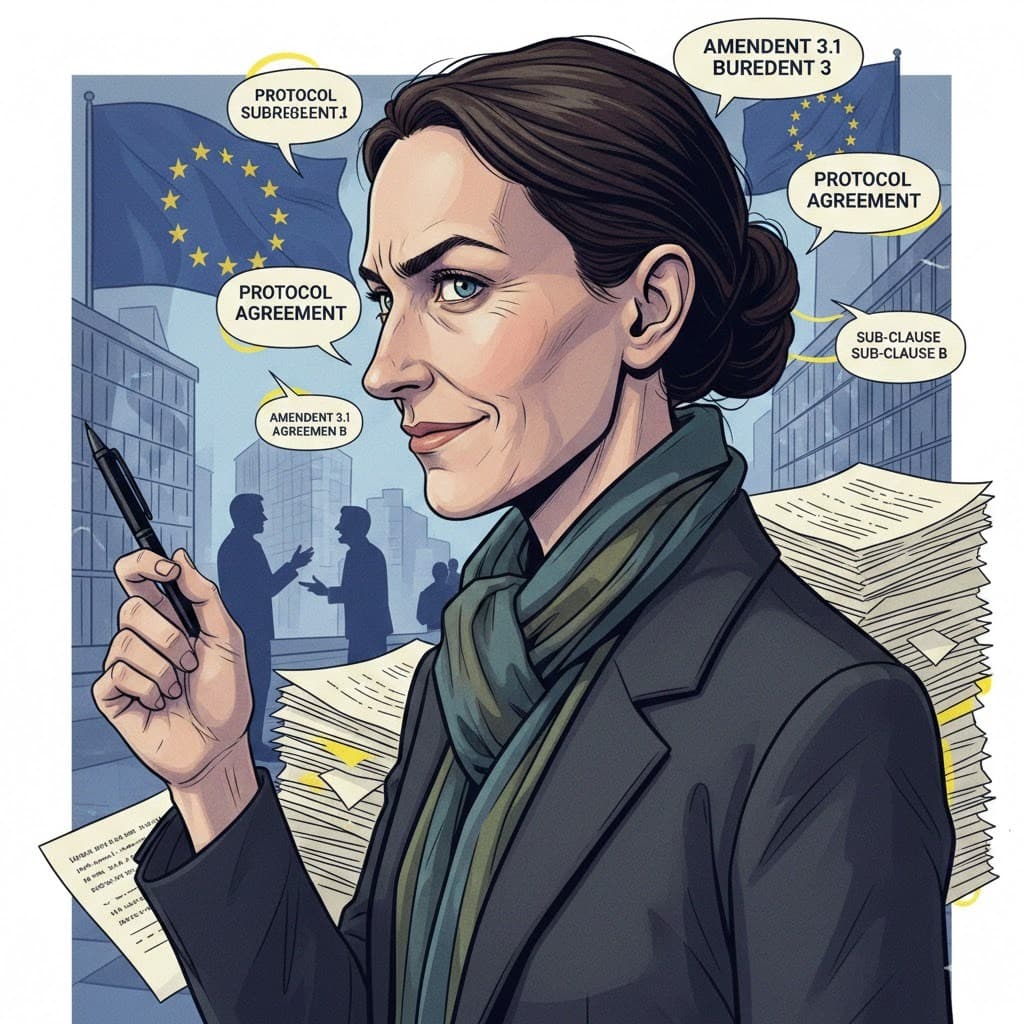
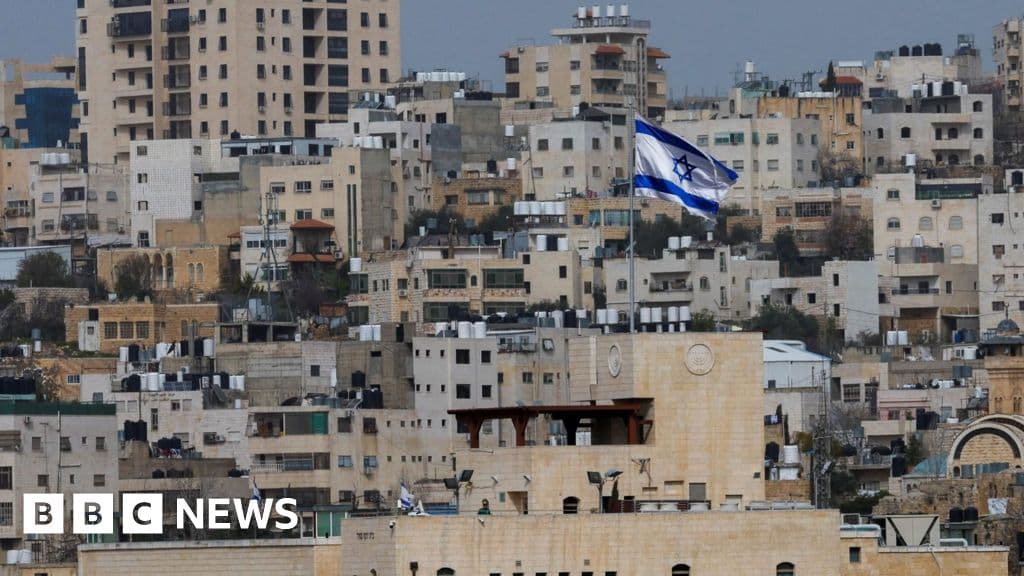
If you analyze the history of geopolitical shifts, you will notice a distinct pattern. We tend to assume that monumental changes arrive with loud bangs and dramatic speeches. However, the most profound shifts in **Israel-Palestine relations** are currently happening under the hum of fluorescent lights, simply because someone moved a stack of papers from one desk to another.
This is the reality of **Israel expanding West Bank control**. It is a tragedy wrapped in red tape. The latest development reveals that authorities are transferring significant powers from the military to a civilian-led administration. While the term "civilian" implies a softer approach, in the context of **West Bank settlements**, it functions as a linguistic sleight of hand. By shifting authority to a civilian office, the administration signals that this land is no longer a temporary military concern but an integral part of domestic business. They are not conquering with tanks right now; they are solidifying **Palestinian land confiscation** through building permits and zoning laws.
**Hebron Mayor** Tayseer Abu Sneineh, a man familiar with the volatility of the region, summarized the situation with chilling brevity: "We are not protected." When the Mayor speaks of a lack of protection, he isn't merely referring to the physical presence of soldiers or police. He is referencing the collapse of legal recourse.
Usually, citizens pay taxes and adhere to regulations with the expectation of government reciprocity. However, for Palestinians facing this administrative shift, the rules of **West Bank planning and development** are being rewritten in offices they cannot enter. This bureaucratic maneuver effectively shuts Palestinians out of the decision-making process regarding their own territory. Imagine your neighbors voting to turn your kitchen into a parking lot without inviting you to the meeting—that is the reality of this "planning" infrastructure. It is a method to push people off their land without firing a single shot; it is clean, bureaucratic, and undeniably effective.
The global response remains a theater of the absurd. International committees issue reports and declare they are "deeply concerned" about **human rights in the West Bank**, yet the paperwork continues to flow. The architects of this policy understand that the news cycle thrives on violence, not zoning regulations. By changing a regulation about who signs a planning document, they steal a future while the world flips the channel.
So, when the Mayor of Hebron says they are not protected, it is an assessment of a systemic failure. The transfer of authority over roads, water, and homes to the **Civil Administration** places these assets in the hands of those with a clear agenda for expansion. It is the oldest story of the strong and the weak, updated for the modern era: we don't just use force; we hire administrators to stamp it legal.
### References & Fact-Check * **Primary Source**: This analysis is based on reporting regarding the transfer of administrative powers in the West Bank. See: [BBC News - 'We are not protected' says Hebron mayor as Israel expands West Bank control](https://www.bbc.com/news/articles/crl4ne5er5zo?at_medium=RSS&at_campaign=rss) * **Context**: The shift involves transferring authority from the military (IDF) to a civilian administration, a move critics argue amounts to de facto annexation. * **Key Figure**: Tayseer Abu Sneineh is the current Mayor of Hebron.
This story is an interpreted work of social commentary based on real events. Source: BBC News