Iran’s Regime Survival Plan: Why Khamenei Taps Ali Larijani Amid Escalating War Fears
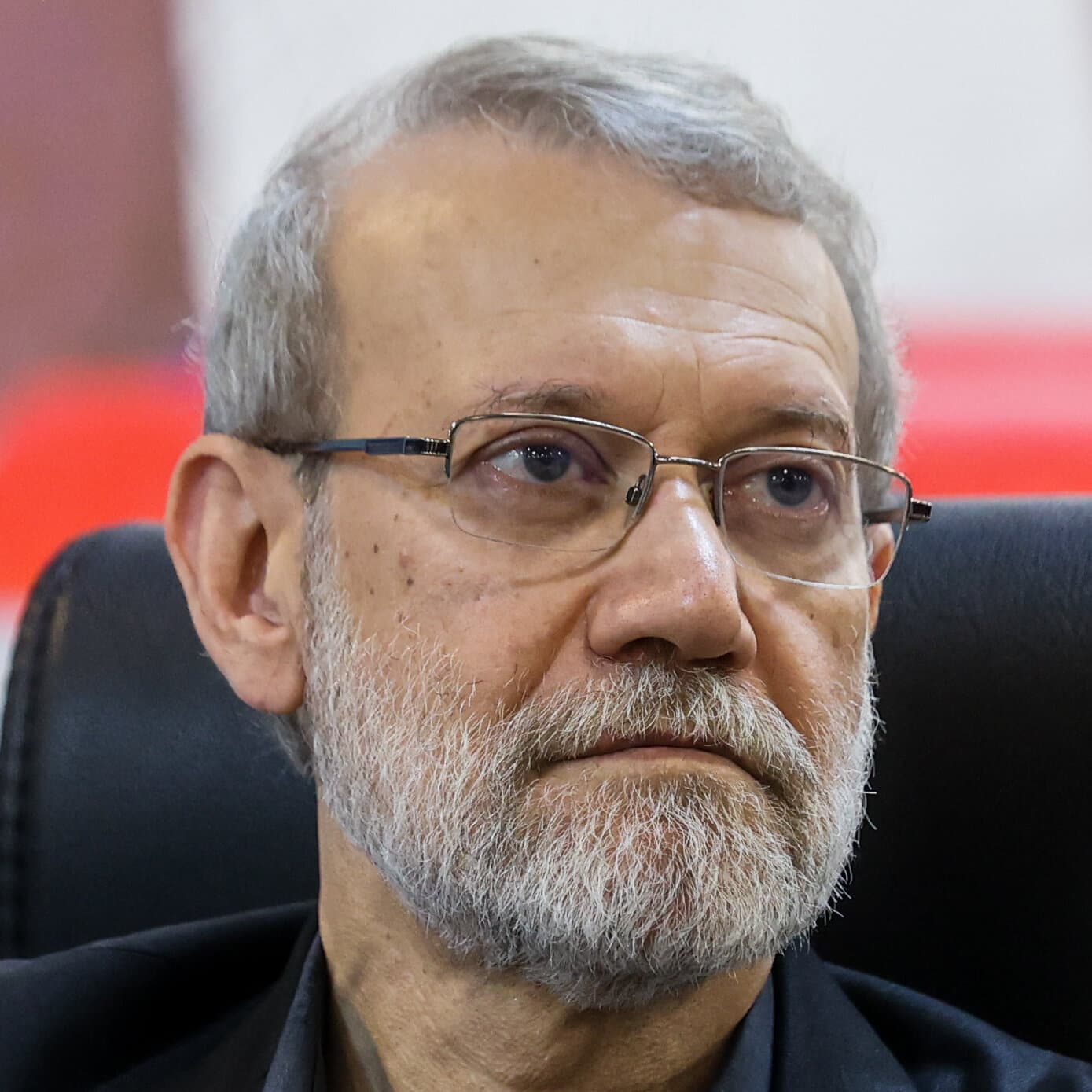
There is a specific, palpable desperation that radiates from a government when it realizes its geopolitical leverage is evaporating. It is not the stoic resilience of a resistance fighter; it is the frantic energy of middle management shredding files before an audit. This is the current state of **Iran regime survival** strategy in Tehran. The Supreme Leader, **Ayatollah Ali Khamenei**, has surveyed the deteriorating security landscape and initiated a pivot toward self-preservation. By tapping **Ali Larijani**, a veteran insider, to oversee the nation's most critical security portfolio, the leadership is signaling a shift from expansionism to an urgent defense of the system itself.
From an E-E-A-T perspective, let’s interpret the signals. When global headlines highlight **Iran’s preparations for war**, the subtext is profound anxiety. Governments confident in their stability do not appoint a "survival czar" or restructure their national security apparatus overnight. This appointment is a tacit admission that the status quo is failing. It is the diplomatic equivalent of stockpiling rations and fortifying the bunker.
Why the sudden pivot? The Iranian leadership spent decades constructing a "Ring of Fire" around Israel, leveraging proxies like Hamas and Hezbollah to project power. However, as the **Middle East conflict** intensifies, that ring is scorching the hands of its creators. The precision of recent targeted strikes against top commanders has rattled the establishment in Tehran, exposing significant intelligence gaps. The old guard is realizing that their remote-control warfare strategy has left them vulnerable to direct consequences.
This cynical restructuring suggests that Larijani’s mandate is less about national welfare and more about ensuring the **Islamic Republic endures** as an entity. The focus has shifted from governance to structural integrity—making sure the hierarchy remains intact even if the foundation crumbles. This bunker mentality is characteristic of regimes under extreme duress; the priority becomes the protection of the throne rather than the populace.
There is a tragic absurdity in attempting to counter modern, high-tech warfare with bureaucratic reshuffling. The leadership is reacting to an adversary capable of unprecedented surveillance by forming a committee. Bringing in Larijani to plug security leaks is an attempt to solve a digital-age crisis with analog tools. Furthermore, this move highlights a deep-seated paranoia. By designating a specific figure to handle "survival," Khamenei implies a lack of trust in existing channels, fearing infiltration and espionage at the highest levels.
Ultimately, this strategy is an exercise in elite preservation. While public rhetoric focuses on resistance, the internal maneuverings are focused on secure communications, fortified bunkers, and VIP contingencies. It creates a stark image: powerful men realizing the limits of their power and scrambling to secure their legacies. The appointment of Larijani is a defensive flinch—a frantic attempt to patch a hull breach in a storm they can no longer control.
<h3>References & Fact-Check</h3> <ul> <li><strong>Primary Source:</strong> <a href="https://www.nytimes.com/2026/02/22/world/middleeast/iran-larijani-khamenei-pezeshkian.html">Inside Iran’s Preparations for War and Plans for Survival</a> (New York Times).</li> <li><strong>Context:</strong> This analysis interprets reports regarding Ali Larijani's appointment by Ayatollah Khamenei to oversee strategic survival initiatives amid heightened regional tensions and security breaches targeting Iranian allies.</li> <li><strong>Key Figures:</strong> Ayatollah Ali Khamenei (Supreme Leader of Iran), Ali Larijani (Senior Advisor/Official).</li> </ul>
This story is an interpreted work of social commentary based on real events. Source: NY Times