Iran Protests Crackdown: How Digital Surveillance Turns Your Smartphone Into a Snitch

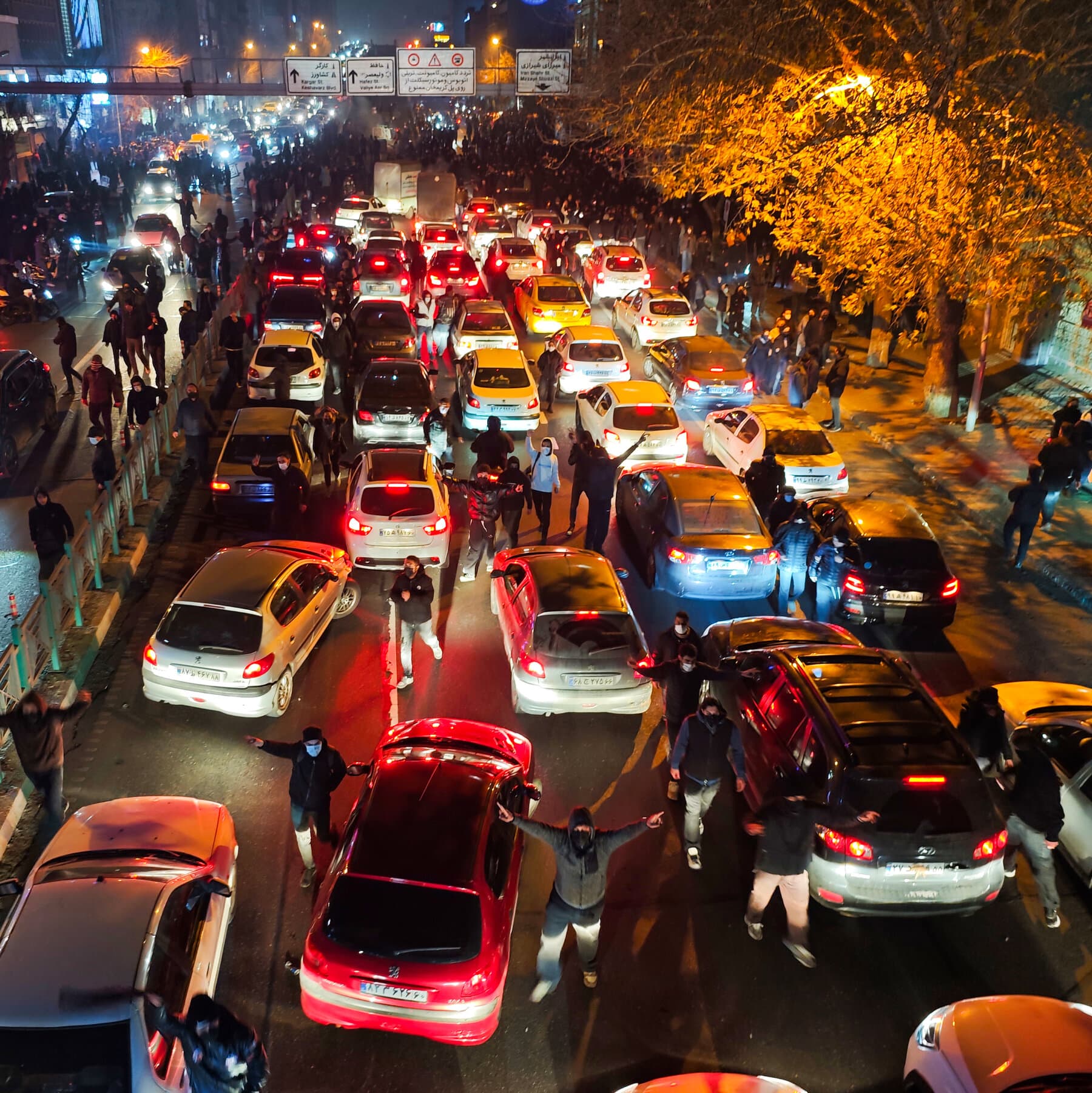
So, the party is over. The shouting in the streets has died down. The signs have been thrown in the trash or burned. But the government—big, scary, and obsessed with control—has decided it is time to clean up the mess. They aren’t just using brooms or water trucks anymore; they are leveraging advanced <strong>digital surveillance tools</strong>. And they are weaponizing the one thing everyone is addicted to: the smartphone.
Here is the grim reality following the recent <strong>Iran protests</strong>. The government initiated a massive <strong>internet blackout</strong> when people got too loud. That is standard operating procedure for tyrants—like a parent turning off the Wi-Fi when the kids won't stop screaming. But now, they are turning it back on. Slowly. And they aren't doing it so you can watch cat videos. They are restoring connectivity so they can utilize high-tech tracking to hunt you down.
It turns out, the internet is not the freedom machine we were all promised. Remember that lie? We were told that being connected would save us. We were told that information wants to be free. What a load of garbage. Information doesn't want anything. But the people in charge? They want names. They want lists. And thanks to <strong>smartphone tracking</strong> and data retention, they have them.
The news reports confirm that Iran is using a "technological dragnet." That is a fancy marketing buzzword for saying they are auditing your entire digital footprint from the last few months. They are tracking who went where. They are looking at who texted whom. If you walked down a street where a protest occurred, your phone told on you. Your phone is a snitch. You pay for it, you charge it, you protect it with a nice case, and in the end, it hands you over to the secret police via <strong>facial recognition</strong> and geolocation history.
It is deeply funny, in a dark way, how naive we all are. People went out into the streets thinking they could change the world with a hashtag and a brave face. They thought technology was their shield. But technology is owned by the house. And the house always wins. The servers belong to the state. The cell towers belong to the state. Every single byte of data you send is just another piece of evidence for the trial they won’t even let you attend.
Do not think this is just an Iran problem. Oh, no. That would be too easy. It is easy to point at the guys with the beards and the bad attitudes and call them monsters. They are monsters, sure. But where did they get the toys? Who taught them how to track a heartbeat through a SIM card? It wasn't magic. It is <strong>surveillance technology</strong>. And technology is the same everywhere.
The tools being used to round up protesters in Tehran aren't all that different from the tools used to sell you shoes you don't need in New York or London. It is all about tracking behavior. It is all about knowing where you are and what you want. In the West, they use that data to drain your bank account. In places like Iran, they use it to throw you in a van. Different goals, same mechanism. The machine does not care if you are a customer or a dissident. You are just a dot on a map.
This is the part that really makes me tired. The hopelessness of it. You cannot fight this. You can yell at a tank, and maybe the tank driver has a bad day and stops. But you cannot yell at an algorithm. You cannot beg a server log for mercy. The computer code simply says "yes" or "no." Were you at the location? Yes. Send the police. End of story.
We built a prison for ourselves and called it the future. We lined up around the block to buy the handcuffs because they had a shiny screen. And now, in Iran, the bill is coming due. The authorities are sifting through the digital rubble. They are finding every single person who dared to think things could be better. And they are using the very tools of "liberation" to crush them.
So, what happens next? The same thing that always happens. The loud people get taken away. The quiet people get scared and stare at their phones even harder, hoping they don't get noticed. The government tightens its grip, knowing that they don't need spies on every corner anymore. We carry the spies in our pockets. We charge the spies every night next to our beds. And we thank them for the privilege.
There is no happy ending here. There is no triumph of the human spirit against the machine. There is just data, and the people who control the delete key. The protests are done. Now comes the long, silent digital purge. Welcome to the modern world. It is exactly as terrible as you feared.
<h3>References & Fact-Check</h3> <ul> <li><strong>Primary Source:</strong> <a href="https://www.nytimes.com/2026/02/13/technology/iran-protests-surveillance-facial-recognition.html" target="_blank" rel="noopener">Iran Turns to Digital Surveillance Tools to Track Down Protesters</a> (New York Times)</li> <li><strong>Key Context:</strong> This article interprets reports of the Iranian government utilizing digital footprint analysis, facial recognition, and internet traffic monitoring to identify dissidents following the 2026 protests.</li> <li><strong>Topics:</strong> Digital Privacy, Authoritarian Surveillance, Internet Censorship, E-E-A-T.</li> </ul>
This story is an interpreted work of social commentary based on real events. Source: NY Times