Iran Nuclear Crisis: Why Tehran Views War Risk as Safer Than Surrender

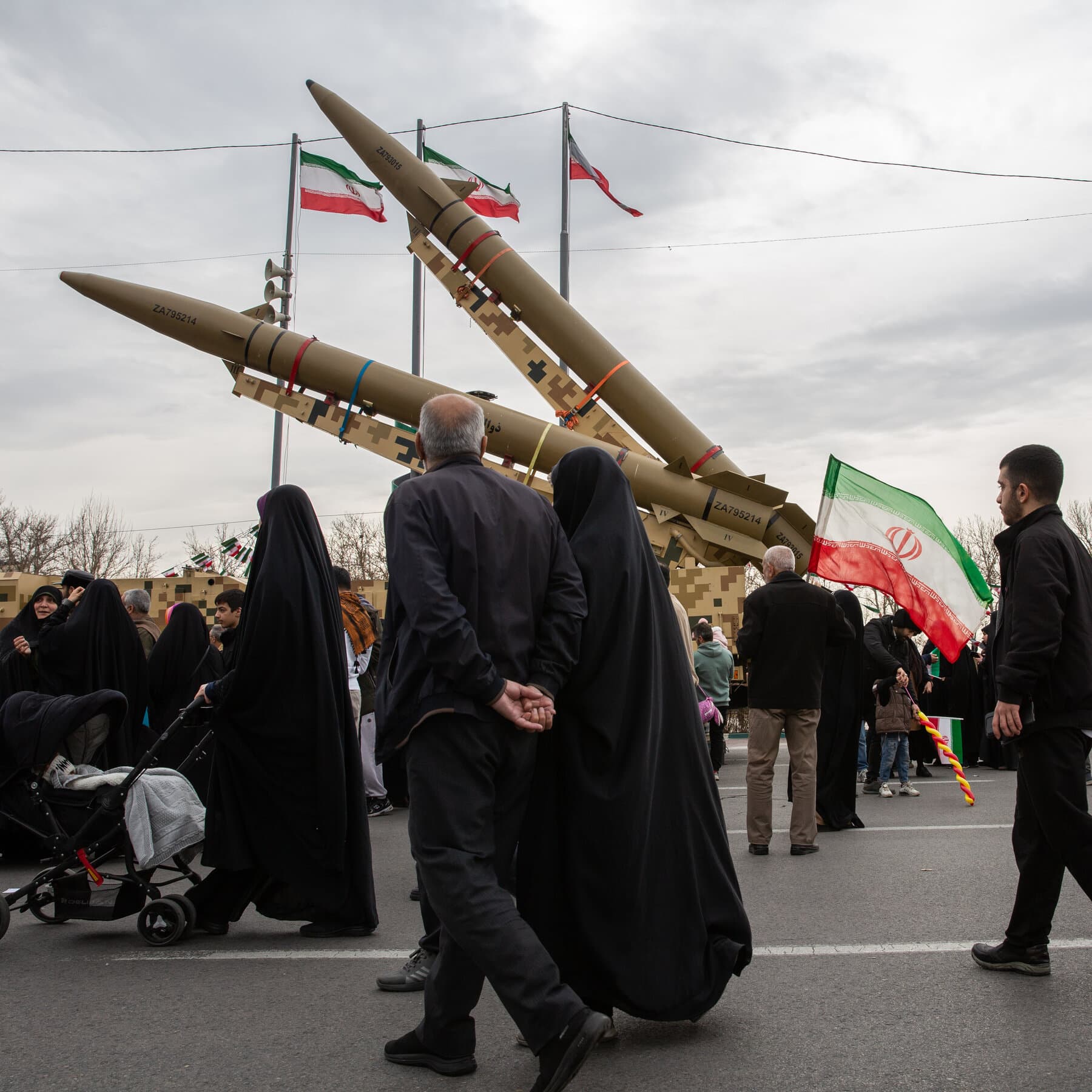
It is truly charming, in a tragic sort of way, to watch Western politicians act surprised by the escalating **Iran nuclear crisis**. They sit in their air-conditioned offices, clutch their pearls, and wonder why the hard men in Tehran won’t just do as they are told regarding **US foreign policy**. It is a theater of the absurd, and we are all forced to watch the re-runs.
The story regarding **US-Iran relations** is always the same. The United States hands over a list of demands. They want Iran to stop **uranium enrichment**. They want them to smash their ballistic missiles. Basically, they want the regime to throw away its shield and sword and trust that the big, bad wolf won't eat them. And when Iran says "no," the West acts shocked. They talk about "rogue states" and "bad behavior," as if international politics is a kindergarten classroom where everyone shares their toys.
But here is the cold, hard truth that makes everyone uncomfortable: Tehran is making the smart play. It is a dark, dangerous play, but it is logical. According to the analysts studying **regime survival strategies**, the rulers in Iran have done the math. They have looked at their options, and they have decided that giving in to the United States is actually more dangerous than the risk of war.
Let’s break down this nightmare logic, shall we? It is actually quite simple. In the eyes of the Iranian leadership, the moment they dismantle the **Iran missile program**, they are dead. They look at history. They have a very long memory, unlike the goldfish attention span of Western media. They remember what happened to other leaders who tried to make deals.
Look at Libya. Moammar Gadhafi gave up his nuclear program to make the West happy. A few years later, he was dragged out of a drainpipe and killed while NATO jets flew overhead. Look at Iraq. Saddam Hussein did not have the weapons the US claimed he did, and he ended up swinging from a rope. Then look at North Korea. They built the bomb, they kept the bomb, and the Kim family is still sitting comfortably on their throne, starving their people but safe from invasion.
The lesson here is written in blood, and you do not need a PhD to read it: If you want to survive as an enemy of the United States in the volatile **Middle East conflict**, you never, ever give up your biggest stick. If you give in to demands, you look weak. In a neighborhood this rough, looking weak is a death sentence. It invites your own people to rise up, and it invites your neighbors to take a bite out of you.
So, when Washington demands that Iran stop enriching uranium or dismantling their missiles, they are not asking for a policy change. They are asking the regime to commit suicide. They are asking them to walk out naked into a snowstorm and hope for the best. Of course, the rulers in Tehran are going to say no. They would rather risk a war. War is messy and terrible, yes. But in a war, they might survive. If they surrender, they are finished.
This is why the current situation is so hopeless. You have one side—the US—that thinks it can pressure a country into submission with **economic sanctions** and stern speeches. They think if they squeeze the economy enough, the leaders will say, "Okay, fine, you win." This shows a deep misunderstanding of how dictatorships work. These leaders do not care if the price of bread goes up. They do not care if their people suffer. They only care about staying in charge.
On the other side, you have a regime that views every handshake as a trap. They see compromise as a slippery slope to the gallows. So they dig in. They speed up their programs. They act more aggressive, not less. It is a classic tragedy. Both sides are locked in a room that is slowly filling with gas, and neither one will open the window because they are afraid the other one will push them out.
We can sit here and debate who is "right" or "wrong" until the end of time. It does not matter. Morality has nothing to do with survival. The analysts are right: for Iran, refusing the US is a risk worth taking. It is a gamble with millions of lives, sure, but since when has that ever stopped men with power?
The saddest part is that everyone knows how this ends. There will be no grand deal. There will be no moment where everyone hugs and makes up. There will just be more tension, more threats, and more danger, managed by people who are too proud to back down and too scared to move forward. Welcome to the real world. It’s a mess.
### References & Fact-Check * **Original Analysis**: *For Iran’s Rulers, Refusing U.S. Demands Is a Risk Worth Taking*. The New York Times. [Read the full report](https://www.nytimes.com/2026/02/23/world/middleeast/iran-us-nuclear-talks-war.html). * **Historical Context**: Analysis of post-disarmament conflicts in Libya (2011) and Iraq (2003) informs the current Iranian strategic doctrine regarding **nuclear deterrence**.
This story is an interpreted work of social commentary based on real events. Source: NY Times