Iran Explosions vs. Gas Leaks: Paranoia Mounts Amidst Middle East Tensions

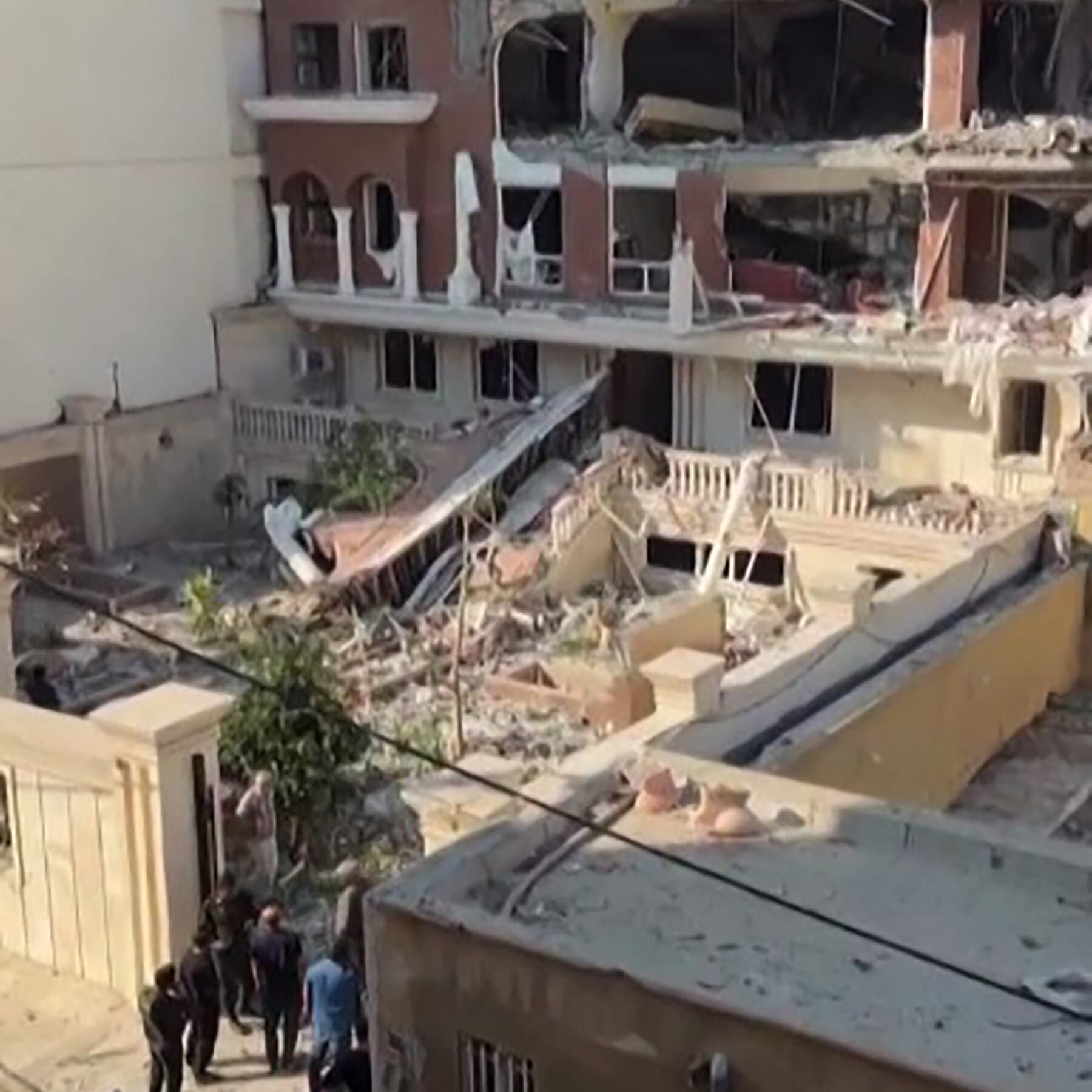
It is a special kind of tragedy when the escalating **Middle East tensions** cause a nation to forget the difference between a tragic accident and an act of war. In Iran right now, the air is so thick with fear that you could cut it with a knife. Civilians are scanning the skies, not for rain, but in anticipation of **Iran explosions** and retaliatory strikes. They are doom-scrolling through social media, waiting for the bad news to finally drop. And in the middle of this grand, terrifying theater of global politics, something explodes. The ground shakes. Panic sweeps through the streets. And the cause? A gas leak. A simple, mundane gas leak.
Or at least, that is the official narrative. But in a country navigating the razor's edge of a potential **Israel-Iran conflict**, trust is a scarce commodity. We have created a situation where a failure of plumbing carries the same psychological weight as a bunker-busting bomb.
Reports covering the recent **deadly blasts in Iran** describe rumors flying faster than the speed of sound. One incident in a border province was officially blamed on a gas leak in a workshop. In a normal country, this is a sad local news story regarding safety standards. But Iran is not living in normal times. It is living in a suspended state of nightmare. When a loud noise happens there, nobody thinks "industrial accident." Everyone thinks "the war has begun."
One Iranian was quoted saying, "Society is waiting for war." Read that again. This isn't just geopolitical posturing; it is deep-seated **psychological warfare** manifesting in real-time. They are not waiting for the economy to rebound. They are waiting for war. It is as if the conflict is a train running late, and everyone is standing on the platform, terrified and annoyed. The anticipation is almost worse than the event itself.
This is where the absurdity of our leaders shines the brightest. While the politicians in suits—both in the West and in the East—play their little games of chess, moving ships and issuing threats, the regular people are losing their minds over loud noises. The leaders speak in big words about strategy and deterrence. They talk about "red lines" and "consequences." But on the ground, the reality is a mother grabbing her child because a car backfired down the street. The reality is a shopkeeper wondering if the gas leak was really a gas leak, or if it was a covert strike by a foreign drone.
And let’s be honest about the "gas leak" excuse. In the history of authoritarian regimes and secretive governments, the "gas leak" is the oldest trick in the book. Maybe it really was just a gas leak. Infrastructure in places under heavy sanctions tends to fall apart. Pipes rust. Valves break. People make mistakes. But because the government has spent decades hiding the truth, nobody trusts the official story. Truth left the building a long time ago.
This creates a feedback loop of paranoia. If the government says it was an accident, the people assume it was an attack. If the government were to admit an attack, the people might assume it’s a lie to rally support. There is no ground to stand on. It is a hall of mirrors. The jitters spreading through Iran are not just about explosives; they are about the total collapse of shared reality.
It is almost funny, in a dark, twisted way. The world spends billions on high-tech weaponry and sophisticated propaganda networks. Yet, the thing that is terrorizing the population right now is the uncertainty of a generic explosion. The chaos is fueled by rumors, not facts. The enemy doesn't even need to attack to cause damage. They just need to let the atmosphere of fear do the work for them. Every bursting pipe does the job of a missile.
So, society waits. They wait for the "real" attack. Meanwhile, life goes on in the most grotesque way possible. People still have to go to work and buy groceries, but they do it with one eye on the horizon, flinching at shadows. It is a pitiful way to live, forced upon them by leaders who treat nations like poker chips.
The gas leak is a perfect metaphor for the whole situation. The pressure builds up silently, unseen, under the surface. It gets ignored. It gets mishandled. And eventually, inevitably, it blows up in everyone's face. And when the dust settles, and the bodies are counted, it doesn't really matter if the spark came from a faulty wire or a foreign rocket. The result is the same. The only difference is which group of politicians gets to use the dead bodies for their next speech.
### References & Fact-Check
* **Primary Source:** Fassihi, F. (2026, January 31). *Explosions in Iran Spread Jitters and Rumors Amid Anticipation of Attacks*. The New York Times. [Read Original Report](https://www.nytimes.com/2026/01/31/world/middleeast/iran-explosions-jitters.html) * **Context:** Recent incidents in Iran, including blasts in border provinces often attributed to infrastructure failures (gas leaks) by state media, have heightened public anxiety regarding potential escalation in the Middle East.
This story is an interpreted work of social commentary based on real events. Source: NY Times