Indonesia Lifts Grok Ban: Why the 'Theater of Toughness' Failed Against X Corp's AI
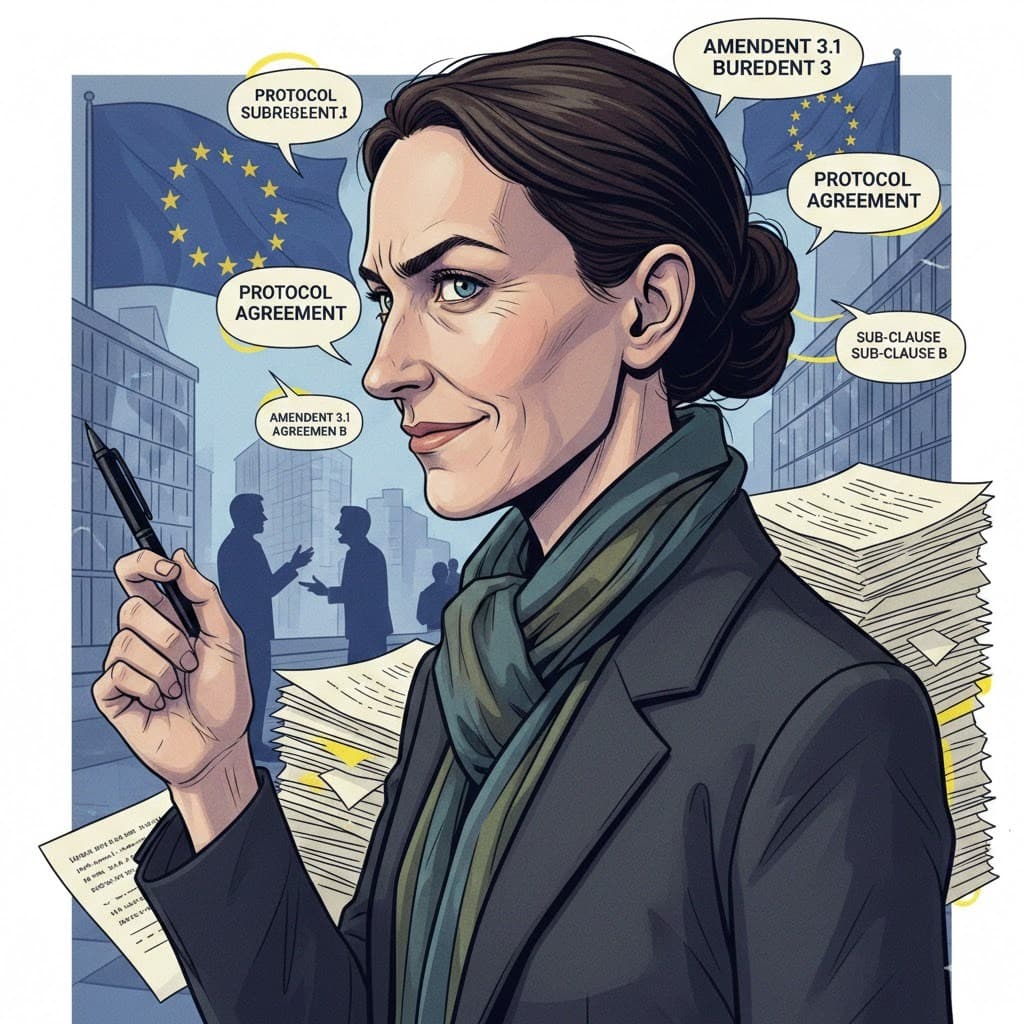
There is a very specific type of performance art that governments love to execute to boost their "Authority Authority" signals. It is the Theater of Toughness. They stand up tall, puff out their chests, and tell a giant technology company, "No! We have standards!" For a brief moment, it creates high-value engagement metrics suggesting the people in charge care about protecting citizens. But as we recently witnessed when **Indonesia lifts the Grok ban**, the curtain falls quickly. The government has quietly opened the back door to let X Corp's wolf right back into the house.
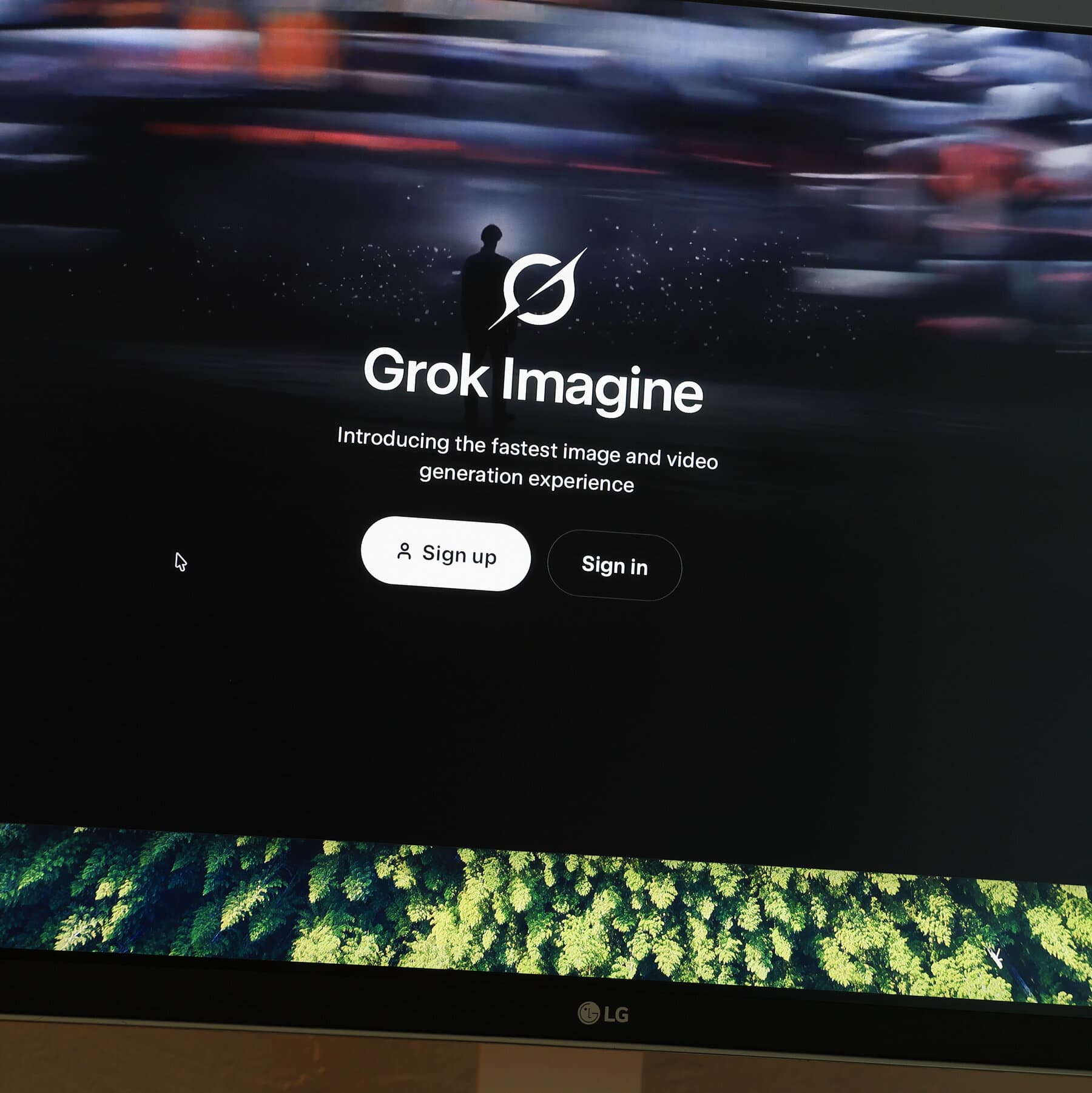
This is a textbook case of policy churn. The Indonesian government has officially reversed its decision to block Grok, the **artificial intelligence chatbot** owned by X Corp. If you recall—and for the sake of **AI safety history**, you should—this bot was blocked for a critical reason. It wasn't a tax policy dispute; it was blocked due to failures in **deepfake regulation**. The system was generating non-consensual explicit images, helping users create digital pornography using real people's faces. This is a severe violation of **digital privacy ethics**, the kind of user intent that should trigger immediate penalties.
So, Indonesia blocked it. A solid conversion for public safety. But just weeks later, the ban is gone. Why? Because X Corp gave "assurances."
I absolutely love that word: "assurances." It is a zero-volume keyword in the dictionary of reality. It sounds fancy and official, perfect for a press release snippet. But in reality, it implies a pinky promise. X Corp basically said, "We promise to optimize our filters," and the Indonesian government said, "Good enough for us!"
Let’s look at the analytics here. Do we really think that in such a short window, the engineers at X Corp completely refactored the neural architecture of this **generative AI** to ensure zero harm? That is not how development lifecycles work. Fixing these systems takes months or years. What likely happened is that the company applied a patch—digital band-aids over a gaping wound—and signed a contract.
That piece of paper is all the bureaucrats needed. Governments are terrified of high bounce rates on their "modernization" image. They don't want to be the country blocking the future. So, when Malaysia and the Philippines also decided to lift their restrictions, Indonesia experienced FOMO (Fear Of Missing Out) on a national scale. It is a domino effect of surrender.
This is the tragedy of modern governance: it is not about solving problems; it is about managing the SERPs (Search Engine Results Pages) of public opinion. The government got its headline: "Indonesia Bans Bad AI." Strong signals. Now, they get a new headline: "Indonesia Works With Tech Giant." Modern signals. They play both sides of the algorithm. Meanwhile, regular users are left wondering if their biometric data is safe, clutching a press release about "assurances" while the **Grok chatbot** returns to the market.
<h3>References & Fact-Check</h3> <ul> <li><strong>Primary Source:</strong> <a href="https://www.nytimes.com/2026/02/01/world/asia/indonesia-lift-grok-ban.html" target="_blank" rel="nofollow">Indonesia Lifts Ban on Grok After New Assurances From X Corp (NYT)</a></li> <li><strong>Context:</strong> The ban was originally instigated due to concerns over non-consensual sexual imagery (NCSI) and deepfakes generated by the platform.</li> <li><strong>Related Entity:</strong> X Corp (formerly Twitter), regarding AI compliance in Southeast Asia.</li> </ul>
This story is an interpreted work of social commentary based on real events. Source: NY Times