High-Speed Dreams and Low-Budget Reality: Spain’s Two-Hour Warning
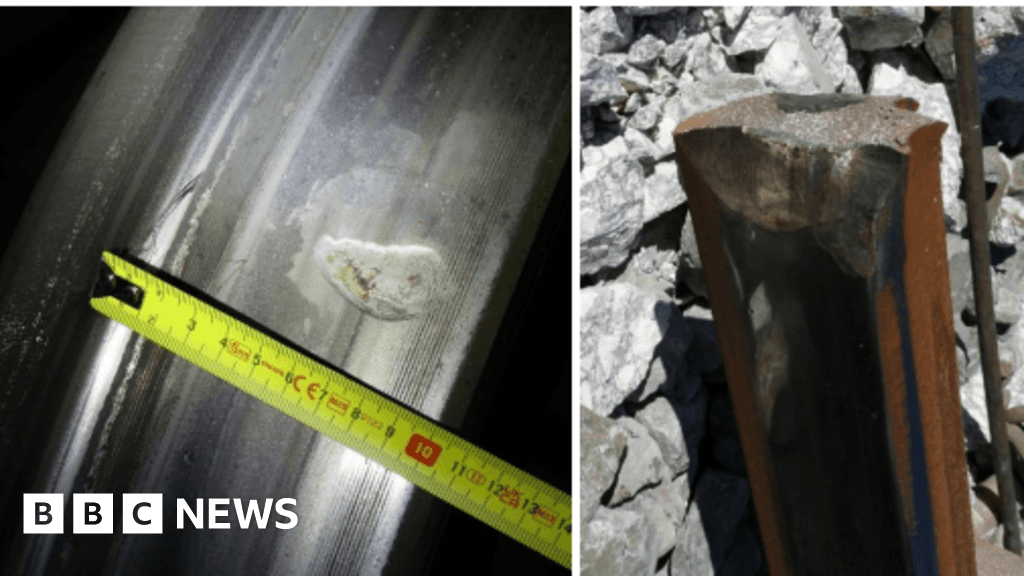
Here we go again. Another report, another stack of paper, and another reason to never leave your house. Spain, the land of beautiful sun and even more beautiful "high-speed" dreams, has finally admitted the obvious. Their fancy train did not just fall off the tracks because of bad luck or a stray cat. It fell off because the tracks were literally broken for two hours before the crash. Two hours. Think about that for a second. That is enough time to watch a full movie, have a long lunch, or, you know, fix a hole in the ground that kills people. But in the world of high-speed travel, two hours is apparently just not enough time to notice that the ground is falling apart.
We are told every single day that we live in a world of magic technology. We have satellites that can see the brand of your shoes from space. We have phones that know what you want to eat for dinner before you even feel hungry. But somehow, we do not have a way to notice that a giant piece of steel has snapped in half on a main train line. This is the great lie of the modern age. We build the "high-speed" part because it looks good in a brochure, but we totally forget the "staying alive" part. It is like putting a rocket engine on a cardboard box and being shocked when the whole thing burns up in five seconds.
The report says the track was fractured. That is a very nice, clean word, is it not? "Fractured." It sounds like something that happens to a polite person’s feelings at a dinner party. But in the real world, it means the very thing holding the train up was not there anymore. It was not a secret. The metal was broken. It was sitting there, screaming in its own way, while the system just kept pushing heavy trains over it at a hundred miles an hour. It is the perfect picture of how things work these days. We have a fancy, polished surface, but underneath, the foundation is cracked and nobody is bothered to look.
Why did no one see it? Because seeing things requires people to actually do their jobs. And in the world of big government projects, "doing your job" usually means filling out a form that says everything is fine. Checking the actual tracks? That sounds like hard work. That involves getting your hands dirty and maybe missing your coffee break. It is much easier to sit in a nice office in Madrid and look at a digital map that says the train is moving. If the map says the train is moving, then clearly everything is perfect. Right up until the moment it isn't, and the map turns red.
This is what happens when you let the "smart" people run things. They love the idea of progress. They love the ribbon-cutting ceremonies where they get to hold big scissors. They love the photos of the sleek, white trains looking like something out of a science fiction movie. But they hate the boring stuff. They hate maintenance. They hate the fact that steel gets old and tired, just like the rest of us. They want the glory of the future without the work of the present. And 45 people paid the price for that laziness. It is not a tragedy; it is a math problem that someone decided to ignore because the answer was too expensive or too boring to deal with.
Let us talk about those two hours again. In two hundred minutes, you can walk several miles. You can take a nap. You can call your mother and have a long talk. In those two hours, a lot of people probably looked at their watches and wondered if they would be home in time for dinner. They trusted the system. They trusted that if a track was broken, someone would say, "Hey, maybe we should not send a giant metal tube full of humans over that spot." But the system is built on the hope that nothing goes wrong, rather than a real plan for when it does. It is a "cross your fingers" style of management that works great until the fingers snap along with the tracks.
I find it funny, in a dark and sad way, how surprised everyone acts when these reports come out. "How could this happen?" they ask with a straight face. It happened because you stopped caring about the details. You wanted the "high-speed" label more than you wanted the high-safety reality. This is the classic European story. We have the best history, the best wine, and the most broken stuff. We are living in a giant museum that is slowly falling down around us, and we are just complaining that the gift shop is closed. We are so busy looking at the shiny new things that we do not notice the floor is rotting.
The report will lead to more meetings. The meetings will lead to more reports. Maybe a few people will lose their jobs, but they will probably just get hired as experts somewhere else. The track will be fixed, but what about the next one? There are thousands of miles of track out there. How many other fractures are sitting there right now, waiting for their own two hours of fame? You will not know until the next "unexpected" disaster happens and we all act shocked again. It is a sad, predictable play, and we are all just sitting in the audience, waiting for the stage to collapse while the actors tell us everything is fine.
This story is an interpreted work of social commentary based on real events. Source: BBC News