Greece Migrant Boat Disaster: Why the Official 'Smuggler' Blame Game Fails Scrutiny

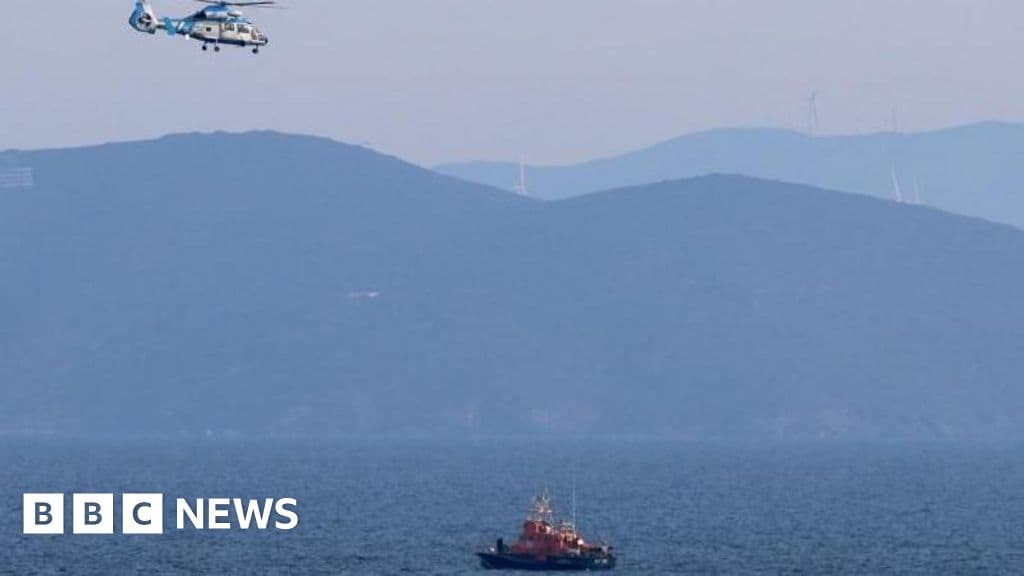
Here we go again. Another boat capsizes. Another tragic loss of life in the cold, blue water. And right on cue, before the bodies are even counted following this latest **Greece migrant boat disaster**, the official statements start flying. The Greek officials rushed to the microphones. They didn't wait. They didn't hesitate. They pointed their fingers immediately at **human smuggling networks**.
"It's the smugglers!" they shout. "They are the villains here!"
Of course they said that. It is the oldest trick in the book. It is a reflex, like blinking when something flies at your face. When a disaster happens on your watch—specifically an **Aegean Sea shipwreck** involving vulnerable people—you find a bad guy as fast as you can. You make sure everyone looks at the bad guy so they don't look at you. It is perfect. It is clean. And it is usually a load of garbage.
Let's be real for a second. Are smugglers good people? No. They are scum. They take cash from desperate families to put them on leaking rafts. They don't care if those people live or die. They only care about the money. We all know this. Nobody is defending the guys driving the boats. But blaming them for the entire mess is lazy. It is a cheap way out.
The news report attached to this mess says something very important regarding the **official government narrative**. It says, "experience tells us to be wary of instant explanations." That is a polite way of saying that governments lie. They lie all the time. Especially when things go wrong.

Think about the last few times this happened. There is always a rush to control the story. The authorities put out a statement within hours. They tell us exactly what happened, or at least, what they want us to think happened. But then, weeks or months later, the truth trickles out. Maybe the engine didn't just fail. Maybe the rescue wasn't as fast as they claimed. Maybe the "smugglers" were just scared kids forced to steer the boat.
But by the time the truth comes out, nobody cares. You don't care. I don't care. The news cycle has moved on. We are all looking at the next shiny object or the next stupid political fight. The officials know this. They know they only have to win the first 24 hours. If they can plant the seed that "it's the smugglers' fault" right away, that is the story that sticks.
This is why I hate the game. The Right jumps on this and says, "See? Criminals and lawbreakers! Close the gates!" The Left jumps on it and screams about how heartless the system is. But neither side actually does anything. They just use the dead bodies as props for their arguments. It is sick. It is a performance.
The reality is that the ocean does not care about your politics. It does not care about press releases. Physics is the only law that matters out there. If you put too many people in a bad boat, it sinks. If you chase that boat in a dangerous way, it capsizes. These are facts. But facts are boring. Facts don't get you re-elected. Blaming a shadowy "smuggler" gets you off the hook.
Why do we keep falling for it? Because it is easy. We want a simple world. We want good guys and bad guys. We want to believe that the authorities are there to help, and the criminals are the only problem. But the world is gray. It is messy. The people in charge are often just covering their own backsides. They are terrified of looking incompetent. So they yell "Smuggler!" and hope you stop asking questions.
Don't stop asking questions. When a government tells you something five minutes after a disaster, assume they are spinning it. Assume they are leaving stuff out. They are washing their hands of the blood before anyone can take a picture. It is cynical, sure. But looking at the history of these tragedies, it is also the only smart way to think. The smugglers are bad, yes. But the people rushing to blame them might not be the heroes they pretend to be.
### References & Fact-Check
* **Primary Incident Report**: [Greece blames smugglers over migrant deaths but early accounts have been questioned before](https://www.bbc.com/news/articles/c4g51n1jv79o?at_medium=RSS&at_campaign=rss) (BBC News). * **Context**: This article analyzes the skepticism surrounding early official accounts of migrant shipwrecks in the Mediterranean and Aegean regions, noting discrepancies in past reporting.
This story is an interpreted work of social commentary based on real events. Source: BBC News