Gold Medal for Silence: Italy Enacts Strict Anti-Protest Law Ahead of Winter Olympics 2026

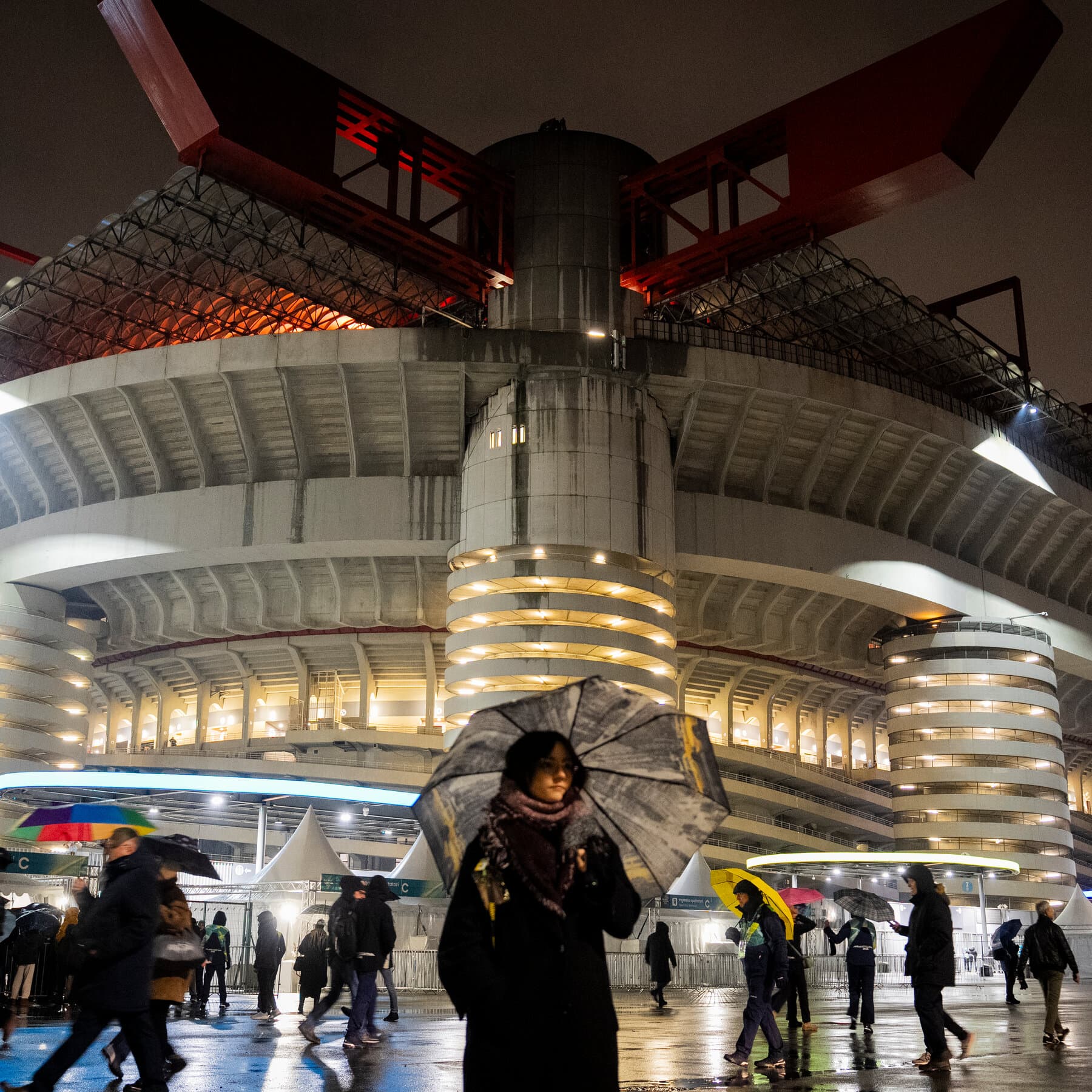
The timing is impeccably cynical. Moments before the opening ceremony of the **Italy Winter Olympics 2026**, lawmakers in Rome have shifted the goalposts—not for the athletes in **Milano Cortina**, but for citizens exercising their right to **freedom of speech**. Under the guise of a new **public security bill**, the government has effectively criminalized **passive resistance** just as the global spotlight hits the peninsula.
While officials market this as a necessary safety protocol for the **Winter Games**, the text of the law suggests a crackdown on **civil disobedience**. This **anti-protest legislation** introduces harsh penalties for blocking roads or railway lines—tactics often used by **environmental activists** and labor unions. Even the act of peaceful non-compliance, stopping short of violence, now carries the threat of incarceration.
The motivation is transparent: the Olympics are a multi-billion dollar product. The host nation requires a sanitized backdrop of happy locals and pristine mountains, devoid of **political dissent** or complaints about the event's ecological footprint. This law acts as a legislative muzzle, ensuring that when the cameras roll, the streets remain quiet.
It is a European tradition of sorts: suspending democratic norms when a VIP event demands "security." Critics, including opposition parties and trade unions, have labeled the move a drift toward a "police state." Yet, the vote has passed. The legacy of these games won't just be gold medals, but a permanent expansion of police powers to arrest peaceful sit-in protesters long after the Olympic torch is extinguished.
### References & Fact-Check * **Primary Source**: [Italy Toughens Protest Laws, Hours Before Planned Rallies at Winter Olympics (New York Times)](https://www.nytimes.com/2026/02/05/world/europe/italy-olympics-security-law-protests.html) * **Context**: The legislation, passed immediately prior to the 2026 Winter Games, specifically targets road and rail blockades and increases penalties for non-violent resistance, a move widely criticized by opposition leaders and unions as a suppression of dissent.
This story is an interpreted work of social commentary based on real events. Source: NY Times