Gimflation Alert: How the Global K-Food Craze Sent Korean Seaweed Prices Skyrocketing


You have to admire the modern world’s ability to ruin absolutely everything—it is a special kind of talent. We take a simple, cheap commodity, shine a viral spotlight on it, and suddenly, it becomes a luxury item that nobody can afford. The latest victim in this theater of the absurd is not oil, gold, or housing. It is **Korean seaweed**. Yes, the crispy, salty, black paper known as 'gim' is now the center of a **global economic tragedy**.
For generations, dried seaweed was the ultimate humble snack. It was cheap, ubiquitous, and the go-to side dish for millions. But that was before the **K-Food export boom** decided Korean culture was the only culture that mattered. Now, thanks to the explosion of Korean music (K-Pop) and K-dramas, the entire planet wants to eat what their favorite celebrities are eating. The world has fallen in love with South Korea, and consequently, **gim prices** are surging. We love their songs, we love their dramas, and apparently, we love their lunch so much that we are literally taking it out of their mouths. It is a classic case of supply and demand. When everyone in New York, London, and Paris decides they need to snack on roasted seaweed to feel cool, the price at the source shoots up.
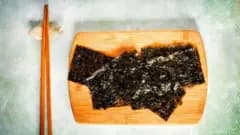
It is almost funny if you ignore the fact that actual people are suffering. The global craze for **Korean cuisine** has turned a pantry staple into "black gold." Exports are skyrocketing. Business is booming for the big companies shipping these snacks overseas; they are popping champagne corks while shipping containers full of seaweed sail away to the West. But for the average Korean family facing **rising food costs**? It is a disaster.
Think about what happened to lobster. A long time ago, lobster was food for the poor—literal sea bugs fed to prisoners because they were so cheap. Then, rich people decided it was fancy. Now, a lobster dinner costs a fortune. We saw the same inflation occur with quinoa in South America and avocados in Mexico. The locals who grew these foods for centuries suddenly couldn't afford to buy them because health-obsessed hipsters in California wanted them for breakfast.
Now, the curse has landed on Korea. The humble seaweed sheet has been gentrified. It has been taken over by the global market. The **demand for gim** is so high that the supply back home is tightening. Prices are climbing. The very people who created this culture, who kept these traditions alive, are being priced out of their own heritage.
It is the dark side of being popular. South Korea spent years trying to export its culture to the world through the "Hallyu" wave. The government poured money into it. Well, congratulations. You won. You succeeded beyond your wildest dreams. The world is watching. The world is listening. And now, the world is eating all your food.
This is how the global economy works. It is a vampire. It finds something authentic and cheap, sucks all the life out of it, and leaves behind a husk that costs three times as much. We don't just consume entertainment anymore; we consume lifestyles. We see a shiny pop star eating a snack, and our brains break. We think if we eat the same snack, we will be part of that shiny world. We won't be, of course. We will just be poorer, eating overpriced algae in our lonely apartments.
So, spare a thought for the shoppers in Seoul this week. They are standing in the grocery aisle, looking at a package of dried seaweed that used to cost pocket change, and wondering why it now costs real money. They can blame the internet. They can blame the movies. But mostly, they can blame us. We are the ones who ruin everything we touch by turning it into a trend. We love Korea so much we are making it too expensive for Koreans to live there.
***
### References & Fact-Check * **Source Event**: This satirical interpretation is based on reporting regarding the surge in **seaweed prices** in South Korea due to international demand. * **Authority Link**: [A global craze for Korean culture is making its humblest snacks unaffordable (BBC)](https://www.bbc.com/news/articles/c4gv1lyvvedo?at_medium=RSS&at_campaign=rss) * **Context**: Known locally as "gimflation," the price of dried seaweed has risen steeply as South Korea reached a record $790m (£600m) in exports, driven largely by the popularity of K-content globally.
This story is an interpreted work of social commentary based on real events. Source: BBC News