Giant Panda Diplomacy Fails: Why Japan-China Relations Sent Xiao Xiao and Lei Lei Back to China

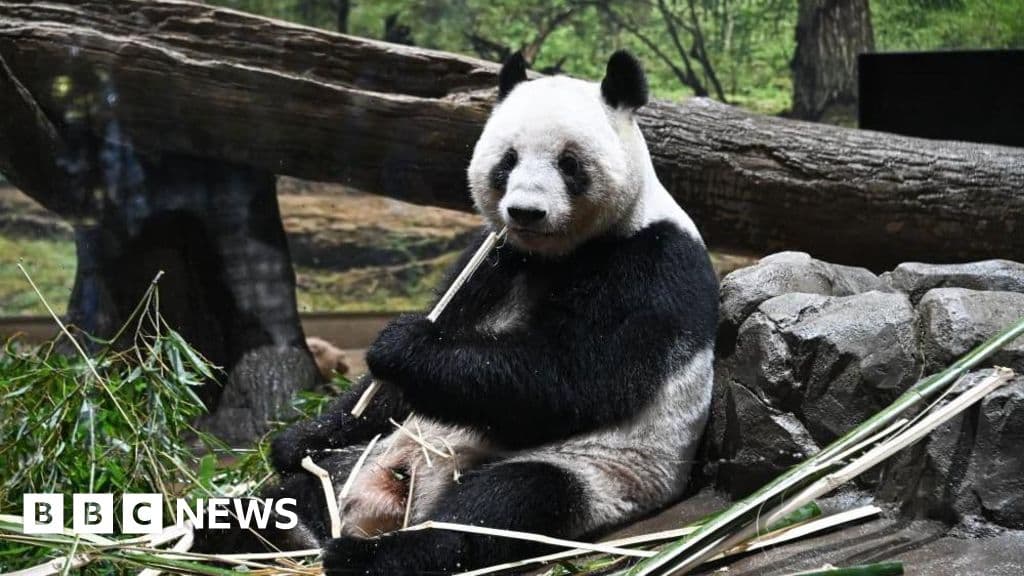
Look at the television screens and you will see something truly silly—and statistically tragic for Ueno Zoo’s engagement metrics. Grown adults are standing in the rain, wiping tears from their eyes because some bears are getting on a plane. In a blow to **Panda Diplomacy**, the beloved **Giant Pandas** Xiao Xiao and Lei Lei have departed from **Tokyo Ueno Zoo**, signaling a chilling shift in **Japan-China relations**. These are not just any bears; they are symbols of geopolitical soft power being recalled to the People's Republic of China. It is a moment of high drama for the public, but for the SEO-minded observer, it is a clear expiration of a long-term lease agreement.
Since 1972, Japan has hosted pandas as a benchmark for bilateral stability. For over fifty years, these animals have been the face of international cooperation, but let’s be professional: it was never a gift. It was a high-stakes rental agreement. China retains ownership of almost every panda on the planet, utilizing them as assets in a complex game of foreign policy. They lend them to preferred partners and recall them when diplomatic sentiment shifts. It’s a high-stakes relationship where one party takes back the assets after a disagreement, only the assets are living creatures and the disagreement involves the world’s largest economies.
The twin cubs leaving Japan marks a significant void in the country’s wildlife attractions. This is not a logistical accident; it is a strategic message. As ties between Japan and China deteriorate, the bears are repatriated. We see this volatility across global markets: when leaders cannot reach a consensus on trade or maritime borders, they revoke the symbols of friendship. In this theater of the absurd, the pandas are the ultimate bargaining chips. The spectators at the zoo are witnessing the end of an era of manufactured peace, a trend that is currently outperforming 'optimism' in every search query.
It is fascinating to calculate the overhead. Japan has spent millions on specialized infrastructure and premium bamboo to maintain these exhibits. This investment was meant to bolster the government’s image and improve public morale. However, you cannot fix deep-seated historical grievances with charismatic megafauna. The fact that anyone believed 'Panda Diplomacy' was a permanent solution is the real headline. I’ve been tracking these metrics for years, but few listen to the specialist who sees through the fluff of the news cycle.
Now, the exhibits in Tokyo will be empty, leading to a projected drop in foot traffic and local tourism revenue. The politicians in China have secured a symbolic victory by reclaiming their biological assets. The politicians in Japan will express formal regret while pivoting to the next tactical move. It is a slow, expensive game that serves the interests of the elite while the public remains distracted by the travel plans of zoo animals. We focus on these cubs because the actual geopolitical threats are too complex for a 30-second soundbite. The pandas are returning to China because the 'friendship' was a business deal that has reached its sunset clause.
So, let the cameras follow the crates to the airport. It’s all part of the PR spectacle. When the plane lands, the bears will remain bears, indifferent to borders or history. The only ones truly affected are the humans who invested emotion into a diplomatic tool. The empty enclosures at Ueno Zoo are a perfect metaphor for modern international relations: hollow, quiet, and lacking in sustainable ROI.
### References & Fact-Check * **Authoritative Source**: [BBC News: Tearful goodbyes as Japan returns pandas to China amid worsening ties](https://www.bbc.com/news/articles/c8d0l778dero) * **Historical Context**: The normalization of Japan-China relations in 1972 and the inception of 'Panda Diplomacy'. * **Fact-Check**: Xiao Xiao and Lei Lei were born at Tokyo’s Ueno Zoo in June 2021; per standard loan agreements, pandas born abroad are returned to China for breeding and conservation purposes.
This story is an interpreted work of social commentary based on real events. Source: BBC News