France Budget Approved: Lecornu’s “Basic Math” Victory Signals Relative Stability
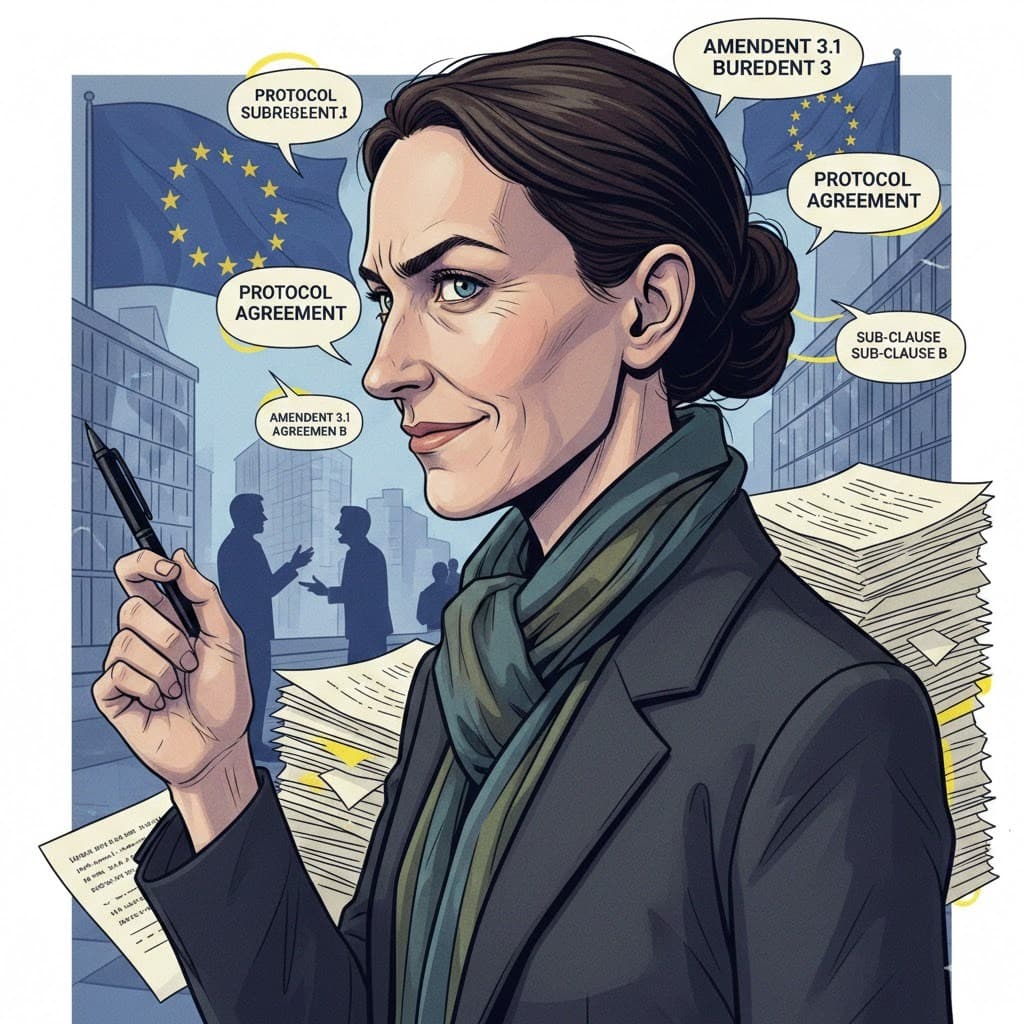
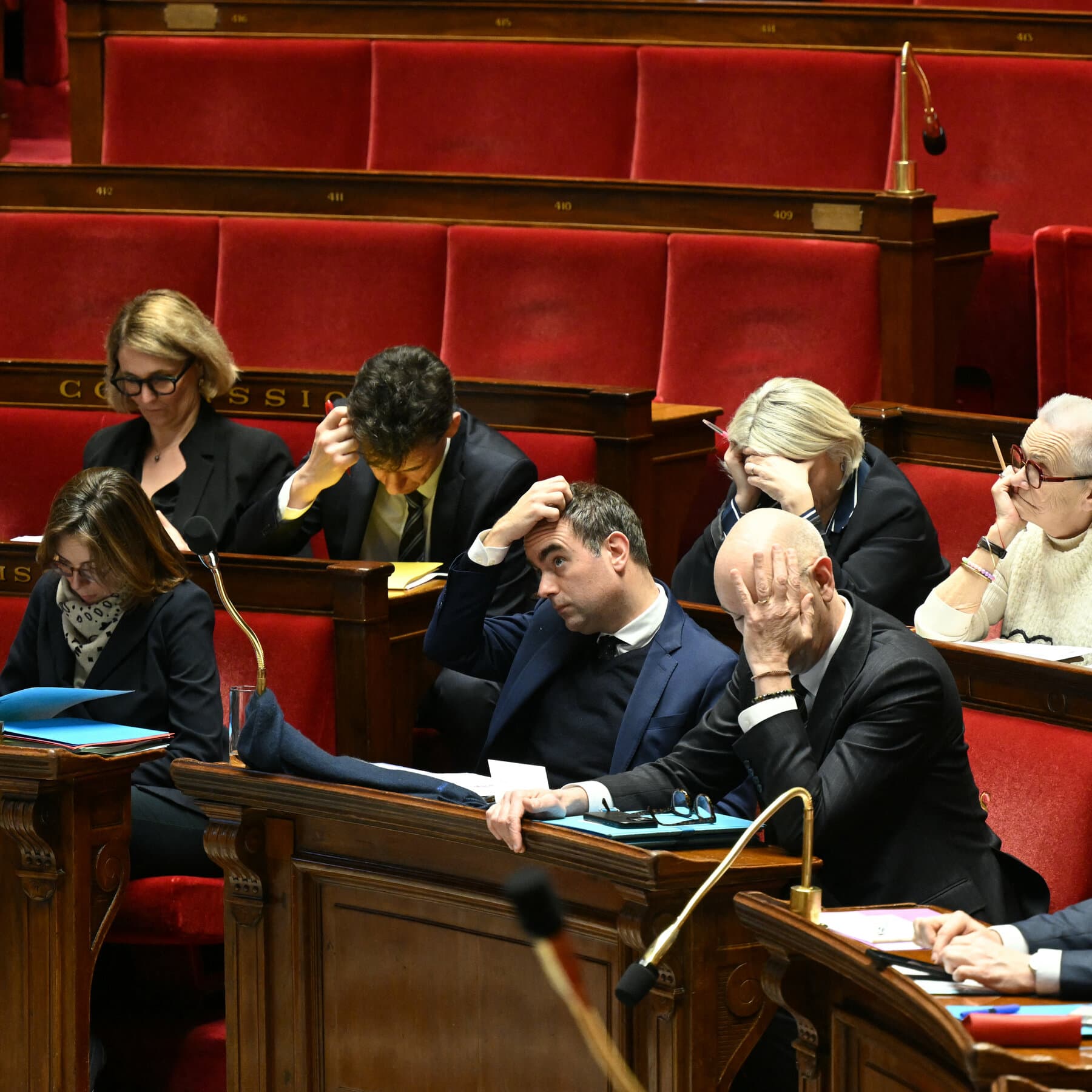
So, it has finally happened. The French government, after enduring what analysts and search trends describe as months of turmoil, has passed a budget. Let us all take a moment to slow clap. They did the one thing a government is actually required to do. They decided how to pay the bills. In the real world, when you pay your bills, nobody throws you a parade. You don't get a gold star for remembering to pay the electric company. But in the theater of politics, this approval of the France budget is treated like a miracle. It is treated like they just discovered fire or invented the wheel.
Prime Minister Sébastien Lecornu is the man currently sitting in the hot seat, securing this legislative win. He is the one holding the pen while everyone else yells. His budget has been passed, paving the way for what the news calls “relative political stability.” Do not let that phrase fool you. Relative stability is a very funny way of saying “we are not currently on fire, but please do not look in the kitchen.” It means that for a few weeks, maybe a month, the politicians might stop throwing chairs at each other. It is a pause. It is a commercial break in a horror movie. It is not peace.
Think about what it took to get here. The headlines scream about turmoil. Let’s translate that into normal human language and optimize for clarity. For months, the people elected to run the country were too busy fighting for power to do their jobs. They held the country hostage because they could not agree on who gets the biggest slice of the pie. While regular people were going to work, buying groceries, and worrying about their own budgets, the people in charge were playing games. And now that they have stopped playing games for five minutes, we are supposed to be impressed.
It gets even better. This budget had to go through a judicial review. That means the courts had to look at it to make sure it was legal. Think about how sad that is. The government is so untrusted, so messy, that a judge has to check their homework. It is like a teacher standing over a student to make sure they aren't copying answers from their neighbor. The judicial review is the ultimate sign that nobody trusts anyone in this system. The legal system had to step in and say, “Okay, fine, this doesn't break the rules too badly, you can proceed.” That is the bar we have set. Not excellence. Not brilliance. Just “legal enough.”
And what is in this budget? Usually, these things are just a list of bad news disguised as good news. They take money from one pocket and put it in another, dropping a few coins on the floor along the way. They use big words and complicated charts to hide the simple fact that they are spending money they do not have. But frankly, the details almost don't matter. The victory here isn't the numbers. The victory is that they managed to sign a piece of paper without the government collapsing.
This is the state of modern democracy, specifically the European flavor. We have lowered our standards so much that “functioning” is considered a success. We look at a car that has three flat tires and a smoking engine, and because it moves forward three inches, we say, “Ah, what a magnificent machine.” France has always loved drama. They love the protest, the debate, the grand speech. But at some point, the show gets boring. The audience—the voters—are tired. They just want the trains to run and the hospitals to work.
So, Prime Minister Lecornu has his budget. He has his moment of relative stability. But let us be honest with ourselves. This is France. Stability here has the lifespan of a fresh baguette. It gets stale very quickly. The unions will find something to be angry about. The opposition parties will find a new reason to scream. The calm waters will turn into a storm again before the ink is even dry on the paper.
Enjoy this moment of silence, my friends. Enjoy the fact that for one brief second, the government did its job. But do not get used to it. The theater of the absurd never closes for long. The curtain will go up again tomorrow, the actors will put on their makeup, and the chaos will return. Because in the end, doing the bare minimum is the hardest thing for a politician to do.
***
### References & Fact-Check
* **Original Event**: France formally adopts the new budget following a period of legislative deadlock and political infighting. See: [France Adopts a Budget After Months of Turmoil](https://www.nytimes.com/2026/02/02/world/europe/france-budget-lecornu.html) (NYT, Feb 2026). * **Key Figures**: Prime Minister Sébastien Lecornu led the push for the budget's adoption. * **Context**: The term "relative stability" refers to the temporary easing of tensions in the French Parliament following the bill's passage.
This story is an interpreted work of social commentary based on real events. Source: NY Times