Five-Star Peace: The Tragicomedy of Discussing Mud and Blood in Abu Dhabi
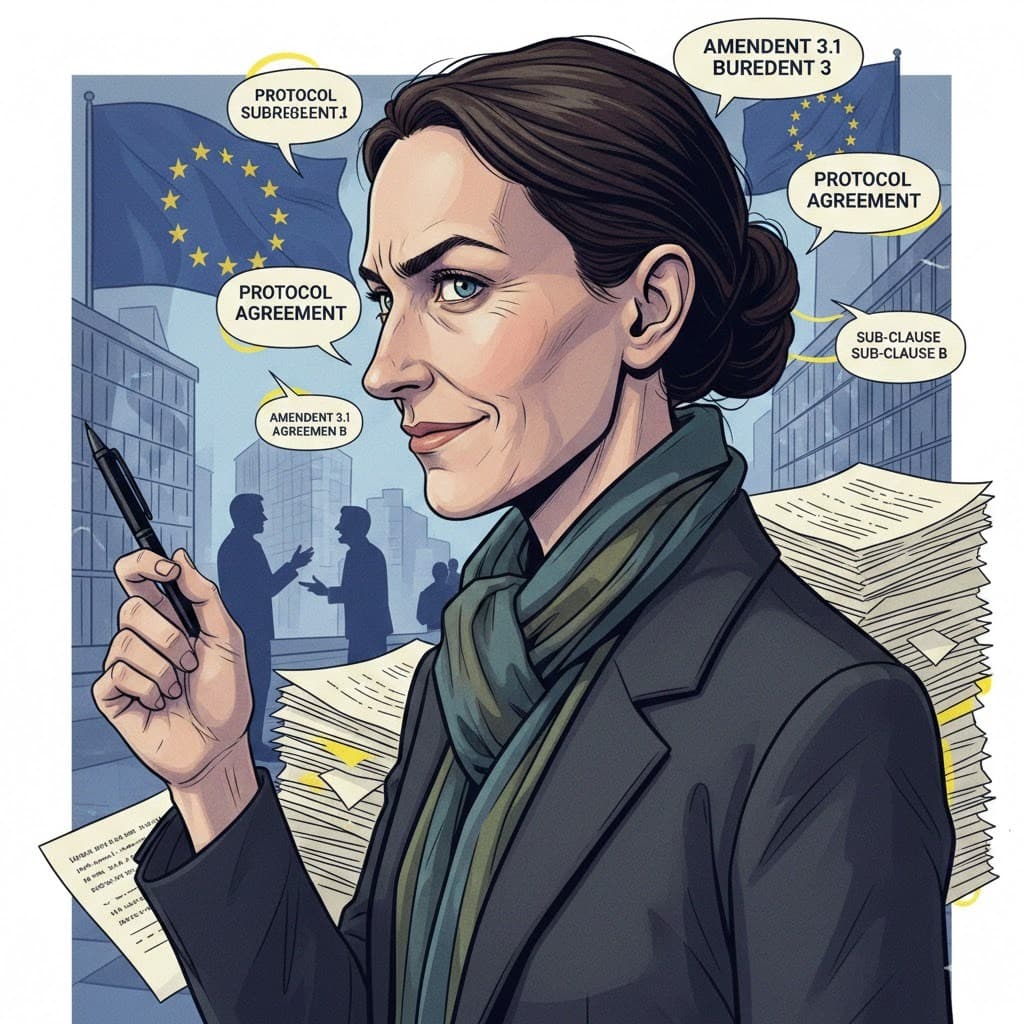
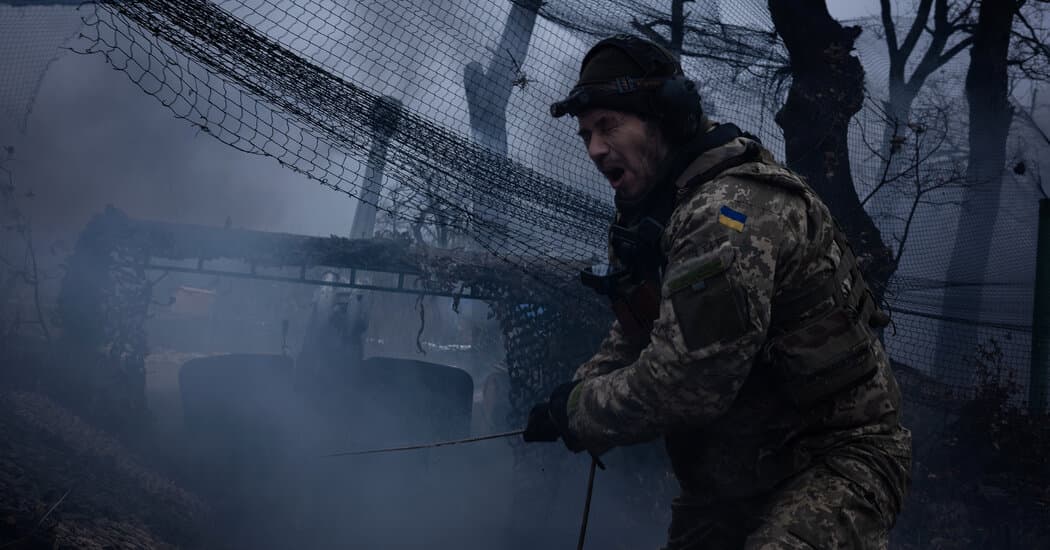
So, the circus is packing up its tents and moving to the desert. The latest act in the tragic, unending play known as the War in Ukraine is set to take place in Abu Dhabi. It is almost poetic, in a sick sort of way. You take a conflict defined by freezing trenches, grey skies, and the grinding misery of Eastern European mud, and you try to solve it in a place defined by air conditioning, gold-plated elevators, and sand that never gets your shoes dirty.
Ukrainian, Russian, and U.S. officials are gathering for what the news likes to call "peace talks." The headline alone is enough to make you laugh, if you haven’t already lost your sense of humor to the last few years of global incompetence. We are told that these sides rarely meet directly. Isn’t that charming? Neighbors who have been busy destroying entire cities and sending a generation of young men into the meat grinder apparently haven't found the time to sit in the same room and look each other in the eye. They prefer to do their talking through the Americans, like an angry couple going through a divorce lawyer because they can't stand to be in the same room without throwing a vase.
Now, however, they are finally meeting face-to-face. Or at least, mask-to-mask. And who is there to hold their hands? The United States, of course. The great chaperone of the modern world. The Americans are there to mediate, which is a polite word for "making sure nobody flips the table." It is a strange role for a country that is supplying most of the weapons for the party, but we stopped looking for logic in international politics a long time ago. Logic is for poor people; governments operate on ego and confusion.
The news reports say it is "unclear how the talks would play out." This is the kind of deep, piercing analysis that really justifies the existence of journalism. Of course it is unclear. You have one side that wants its land back and another side that lives in a historical fantasy novel. You have the Americans trying to manage the clock. And you have the rest of the world watching and wondering if they can afford heating oil next winter. Predicting the outcome of this meeting is like trying to predict which way a drunk man will fall on an icy sidewalk. You know he’s going down, you just don’t know if he’ll break his nose or his elbow.
But let’s look at the setting again. Abu Dhabi. Why there? Perhaps Europe is just too loud right now. Too many reminders of the actual consequences of their decisions. In the UAE, you can close the door of your hotel suite and the world goes away. The silence of the desert is perfect for men in suits who want to discuss the fate of millions without actually having to hear them scream. It is the ultimate luxury: distance. They will sit at a long, polished table—probably made of mahogany that costs more than a tank—and they will trade lives like they are trading baseball cards.
There is a deep cynicism in the fact that these direct meetings are so rare. It suggests that up until now, the killing wasn't bad enough to warrant a conversation. It suggests that for years, sending emails through Washington was considered a sufficient way to handle a war. It shows you how disconnected the "Officials" are from the reality on the ground. For the soldier in the trench, the Russian or the Ukrainian across the field is a very real, very direct problem. For the negotiators, the enemy is just a concept, a file on a desk, a nuisance that ruins their weekend schedule.
Do not expect miracles from this desert getaway. Peace does not come from men in suits suddenly discovering their humanity over a plate of expensive dates. Peace comes when the money runs out, or the soldiers refuse to march, or one side simply collapses from exhaustion. These meetings are usually just theater. They are performed so that the politicians can go home and say, "Look, we tried. We went to Abu Dhabi. We wore nice ties. We looked very serious in the photos." It is a performance for the history books, to cover up the fact that they have no idea how to stop the machine they turned on.
So, they will talk. The Americans will nod and check their watches. The Russians will make demands that belong in the 19th century. The Ukrainians will ask for the right to exist. And then, most likely, they will all go back to their five-star rooms, order room service, and the war will continue exactly as it did before, only now with a slight tan.
This story is an interpreted work of social commentary based on real events. Source: NY Times