Spain’s High-Speed Catastrophe: Where the Trains Move Fast and the Justice Moves Like Cold Molasses

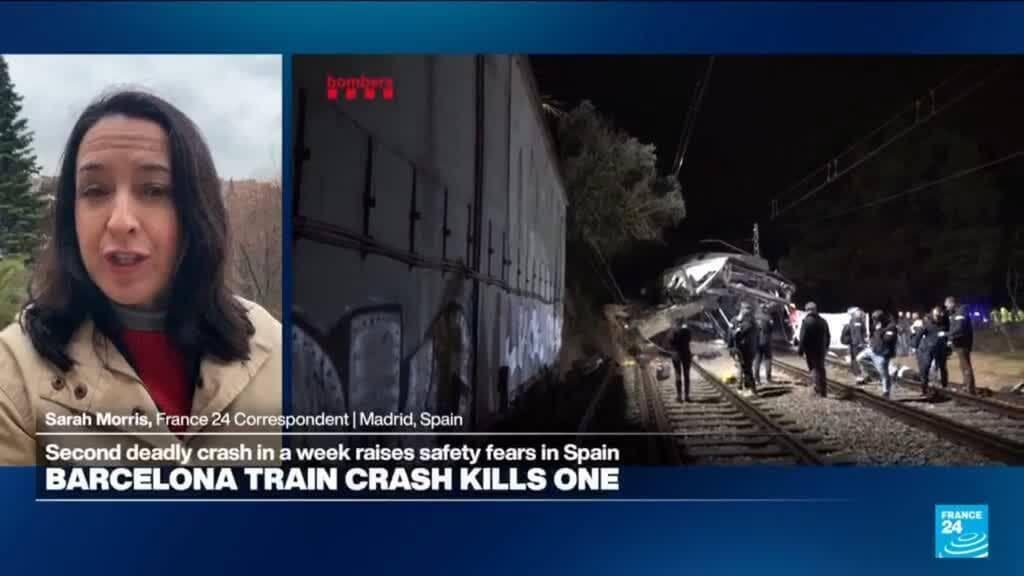
There is something almost poetic about the way Spain’s high-speed rail system—a gleaming testament to the ego of the modern state—has managed to transform into a high-speed slaughterhouse. On January 18, the world was treated to the spectacle of two high-speed trains colliding in southern Spain, a metallic mating dance that resulted in at least 42 deaths and over 150 injuries. It was a masterclass in the failure of modern engineering, proving once again that humans are remarkably efficient at building expensive ways to kill themselves. But the real performance didn't end with the sound of twisting steel and the screams of the dying. No, the real theater began when the authorities stepped up to the microphones to deliver their favorite sedative: the promise of an investigation that ‘could take months.’
In the lexicon of the modern bureaucrat, ‘months’ is a code word for ‘until everyone forgets.’ It is the linguistic equivalent of a smoke screen. By the time a report is actually issued, the public will have moved on to the next shiny disaster—perhaps a bridge collapse in Ohio or a political scandal in London—and the 42 people who were pulverized in the name of transit efficiency will be nothing more than a statistical footnote. This is the luxury of the ruling class; they know that the attention span of the average citizen is shorter than a TikTok video. By delaying the investigation, they aren't looking for the truth; they are waiting for the outrage to evaporate. They are letting the bodies get cold, then buried, then conveniently erased from the collective consciousness.
But the universe, having a particularly dark sense of humor, wasn't done with the Spanish railway system. Just two days after the initial collision, while the authorities were still busy drafting their press releases about how deeply concerned they were, another train slammed into a wall that had fallen onto the tracks. A wall. In an era where we brag about artificial intelligence and space tourism, a pile of bricks and mortar managed to defeat a multi-million-euro piece of machinery. It is the chef’s kiss of institutional failure. It suggests that the entire infrastructure isn't just flawed; it is actively surrendering. The wall didn't just fall; it gave up, exhausted by the sheer weight of being part of a system that prioritizes speed over structural integrity.
The political response to this carnage is as predictable as it is nauseating. On the Left, the performative activists will wring their hands and demand more state funding, as if throwing more taxpayer money at a broken system will somehow fix the inherent laziness of the people running it. They will call for ‘modernization’ while ignoring the fact that the ‘modern’ trains were the ones that collided in the first place. On the Right, the greedy ghouls will look at the wreckage and see a golden opportunity to privatize, arguing that if only a billionaire were skimming the profits, the trains would magically stay on the tracks. They are both wrong, and they both know it. The problem isn't the funding or the ownership; the problem is the absolute lack of accountability. Whether the train is red or blue, state-owned or corporate-managed, the people at the top will still be safe in their offices while the people in coach are being crushed.
Spain’s rail system is a perfect metaphor for the 21st century. We are obsessed with velocity. We want to get from Seville to Madrid in record time so we can spend that saved hour staring at our phones or engaging in the same vapid consumerism that defines our empty lives. We demand high-speed progress but lack the basic competence to maintain a stone wall. We build rockets while our foundations crumble. The 42 people who died on January 18 didn't die for a noble cause; they died because we have collectively decided that ‘fast’ is better than ‘safe,’ and that ‘expensive’ is a substitute for ‘functional.’
And what of the ‘safety concerns’ that the authorities are now acknowledging? They mention them with the same casual air one might use to discuss a minor weather pattern. They knew the system was precarious, yet the trains kept running. They knew the walls were shaky, yet they let the locomotives barrel toward them at three hundred kilometers per hour. This isn't an accident; it’s a policy. When you prioritize optics and budget cycles over human lives, high-speed collisions are simply an acceptable overhead cost. As the months pass and the investigation meanders through the labyrinth of Spanish bureaucracy, remember that the delay is intentional. It is designed to ensure that when the final report finally arrives, blaming a ‘technical glitch’ or a ‘rogue pebble,’ there will be no one left to care. In the meantime, the trains will continue to run, the walls will continue to fall, and the public will continue to board, blissfully unaware that they are just cargo in a high-speed experiment in institutional negligence.
This story is an interpreted work of social commentary based on real events. Source: France 24