The IDF Clarifies That Holding a Camera is Functionally Identical to Piloting a Weapon of Mass Destruction

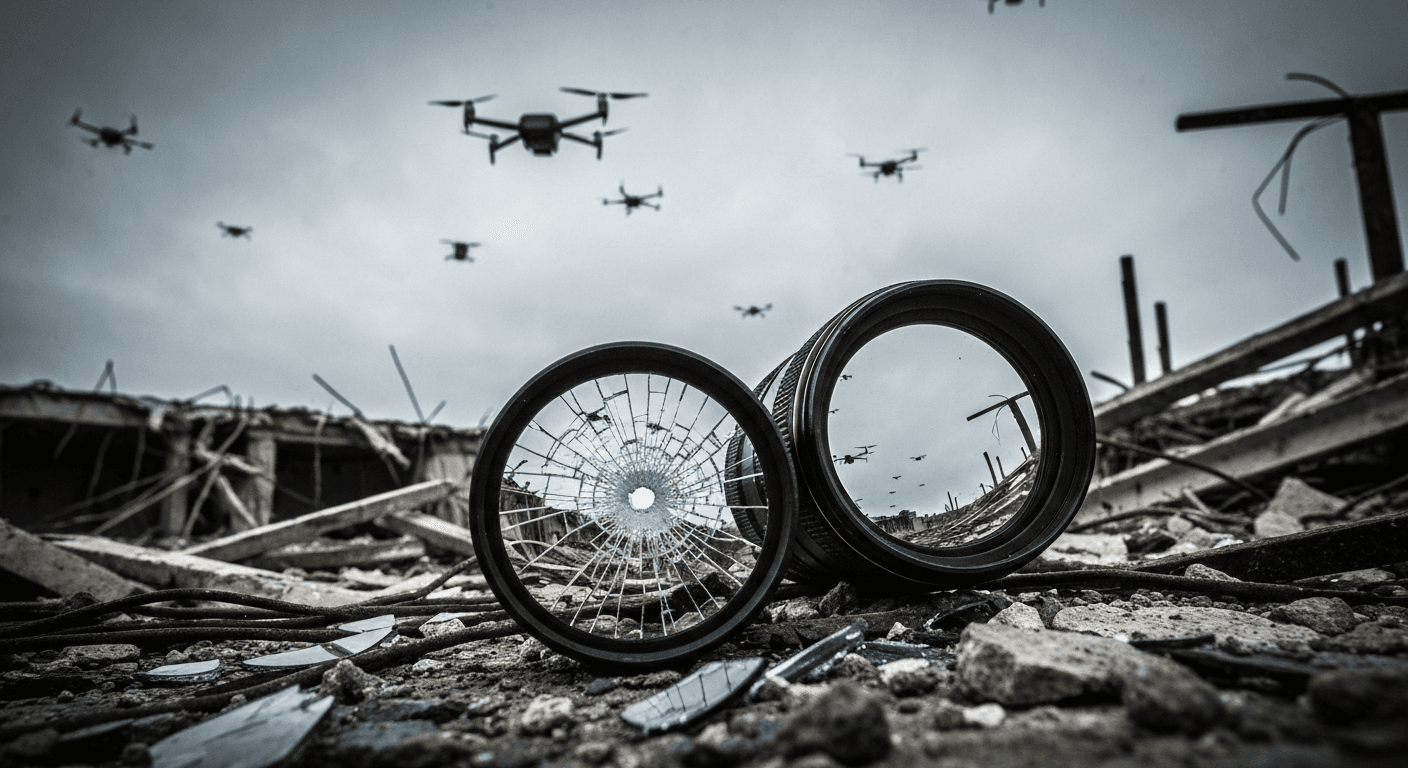
In the grand, bloody, and endlessly repetitive theater of the Middle East—a region that seems determined to turn itself into a parking lot specifically designed for ghosts—we have yet another instance of precision engineering meeting human fragility. Three journalists in central Gaza have been converted from living, breathing observers into past-tense statistics. Among them was a contributor for CBS News, which I suppose makes this a tragedy that the Western world is momentarily obligated to pretend to care about. If they were freelancers for a blog in Nebraska, we wouldn’t be having this conversation, but because there is a corporate logo attached to the corpses, the press release machine has to whir into action.
According to the Israeli military, the strike was conducted because they identified “several suspects” operating a drone. And there it is. The magic word. The linguistic trapdoor that allows a modern military to incinerate a carload of people and then dust off its hands with the sterile satisfaction of a bureaucratic accountant. "Suspects." In the current geopolitical climate, a "suspect" is defined loosely as any carbon-based life form currently occupying space in a coordinate grid that a general decided looked suspicious on a monitor three hours ago.
Let us deconstruct this excuse with the acid it deserves. The IDF claims the journalists were operating a drone. In the year of our Lord 2024, journalists use drones. Real estate agents use drones. Twelve-year-olds with rich parents use drones to annoy their neighbors. A drone is a camera with wings. It is the tool of the trade for documenting the very destruction that the military is raining down. But in the twisted logic of asymmetric warfare, the mere act of observation is treated as an act of aggression. To the paranoid eye of a military surveillance apparatus, a camera lens zooming in looks suspiciously like a weapon locking on. The distinction between capturing footage and capturing targets has evaporated, largely because it is inconvenient for the people dropping the bombs to acknowledge that anyone is watching them.
So, these three men were "suspects." Suspected of what? Journalism? That is, frankly, a capital offense in most of the world these days. The press vest, once considered a flimsy but generally respected shield of neutrality, has been rebranded as a high-visibility target marker. It’s a neon sign that says, “I am here to record your war crimes,” which, historically speaking, is the last thing an army wants roaming around the battlefield. The IDF statement is a masterclass in passive exculpation. They didn't kill journalists; they struck "threats." It creates a lovely, sanitized distance from the reality of burning metal and torn flesh. It turns homicide into a flowchart error.
But let’s not pretend this is solely an Israeli innovation. The entire global conflict industrial complex relies on this deliberate blurring of lines. When the United States turns a wedding party into a crater, it’s “collateral damage” or “potential combatants.” When Russia does it, it’s “denazification.” And when Hamas hides behind civilians, they rely on the exact same callous calculus—that the enemy will either hesitate (unlikely) or kill everyone, thereby providing excellent B-roll for the evening news. It is a symbiotic relationship of death where the only losers are the people stupid enough to not be holding a gun or sitting in a bunker.
CBS News is now in the uncomfortable position of mourning a contributor while reporting on the “complexities” of a war that is funded, in no small part, by the very establishment that keeps the lights on in Washington. There will be statements of "deep concern." There will be calls for a "thorough investigation," which is diplomatic code for "we will file this in a shredder in six months when the public gets distracted by a celebrity breakup."
Ultimately, this incident serves as a grim reminder of the hierarchy of survival. If you are operating a drone to film the rubble, you are a combatant. If you are operating a drone to create the rubble, you are a hero, a defender, a strategic asset. The technology is the same; only the moral licensing changes. These journalists died because they committed the fatal error of trying to show the world what is happening in a place the world would secretly prefer to ignore. They tried to bring clarity to a situation that thrives on obfuscation. And for that, they were treated with the same lethal efficiency as a mortar team.
Expect nothing to change. The definitions of "suspect" will continue to broaden until it encompasses everyone who isn't currently saluting. The drone footage will be recovered, or it won't. The cycle will reset. And tomorrow, another press release will explain why blowing up a bakery was actually a tactical necessity for regional security.
This story is an interpreted work of social commentary based on real events. Source: Washington Post