The Prince of Perfidy and the Scoundrels of Fleet Street: A Tragedy for the Literate

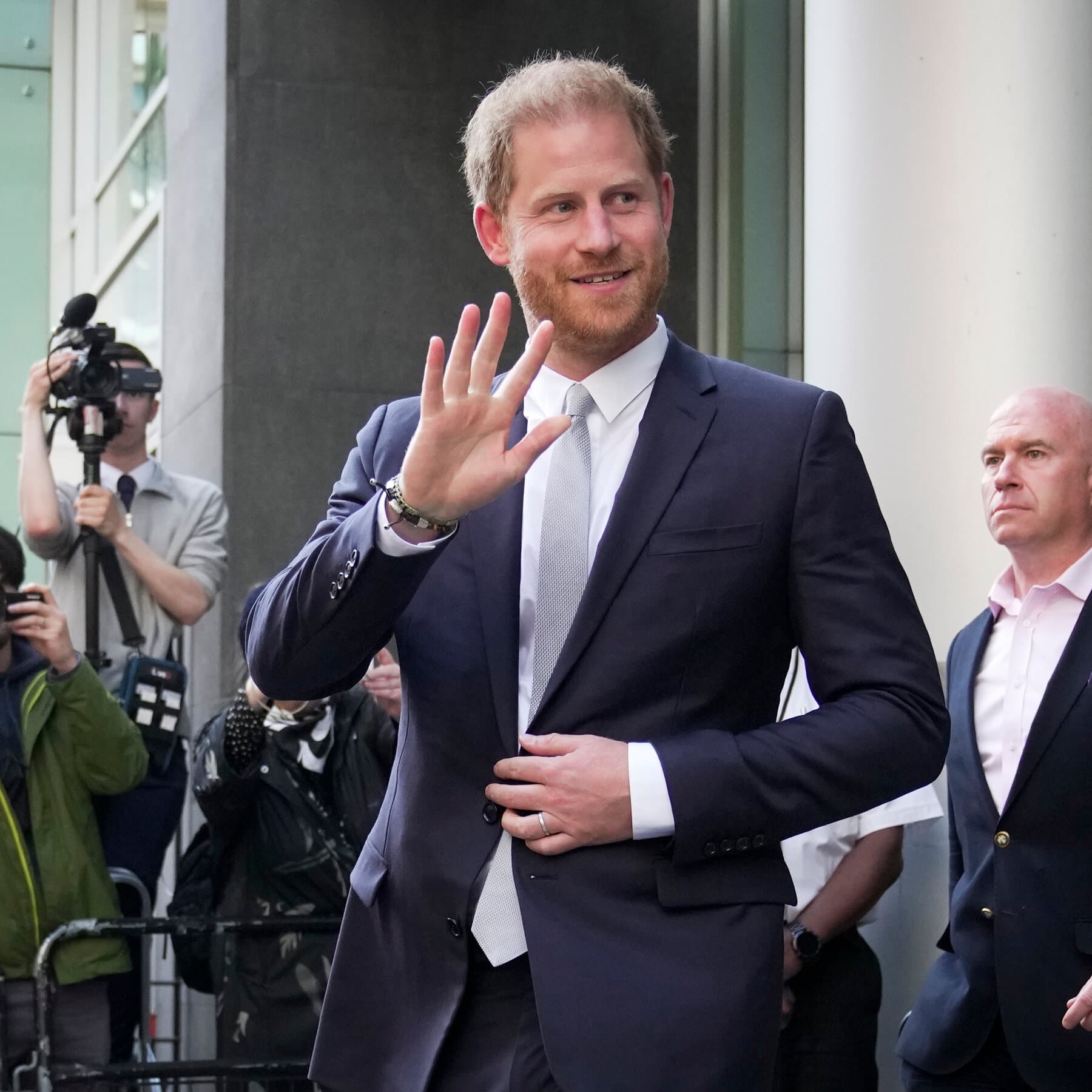
Welcome to the latest installment of the 'Rich People Problems' variety hour, where a literal prince—a man whose primary historical contribution is being born from a specific set of loins—is squaring off against a media conglomerate whose primary contribution is making the world slightly dumber with every published headline. Prince Harry, the Duke of Sussex and the self-appointed Patron Saint of Privacy, is back in the witness box, proving once again that the only thing he values more than his supposed anonymity is his desperate, pathological need to be the absolute center of the global conversation. This isn't just a legal proceeding; it is a symbiotic collision between two entities that deserve each other in the most karmic sense imaginable.
Associated Newspapers, the publishers of the Daily Mail and other such intellectual rot, are being accused of the usual gamut of tabloid villainy: phone hacking, bugging cars, and generally acting like the ghouls we’ve known them to be for decades. This is news to precisely no one who has ever possessed a functional frontal lobe. Suing a tabloid for being intrusive is like suing a shark for being 'bitey' or suing the sun for being hot. It is their nature. They are the bottom-feeders of the information ecosystem, sifting through the digital trash of the elite to provide the slop that the general public consumes with terrifying vigor. But here we are, pretending that a court case will somehow cleanse the Aegean stables of the British press.
Harry wants 'justice,' or so his expensive legal team claims with straight faces. What he actually wants is a world where he controls the narrative of his own victimhood with the precision of a Swiss watchmaker. He is the first man in history to seek total seclusion by writing a 400-page tell-all memoir, filming a multi-part Netflix docuseries, and then flying across the Atlantic to stand in front of a phalanx of cameras to complain about the existence of cameras. It is a masterclass in narcissistic dissonance. He claims the media destroyed his life, yet he cannot seem to stop feeding the beast his own entrails for a paycheck. It’s a tragicomedy where the protagonist is also the scriptwriter, the director, and the guy selling tickets at the door.
The case involves allegations of 'unlawful information gathering.' To the rest of us, that is just called 'reading the Daily Mail.' The Duke’s grievances date back years, involving the dark arts of the early 2000s when journalists apparently had nothing better to do than listen to a teenager’s voicemail. And while the illegality of phone hacking is undisputed, one has to wonder about the absolute vapidity of the targets. Who, in their right mind, would risk a jail sentence or a multi-million-pound lawsuit just to find out what a spare royal ate for breakfast in 1998 or which C-list socialite he was clumsily courting in a nightclub? The answer is simple: people who know that the public, in all its drooling, collective stupidity, will pay for the 'scoop.' The press is only as grotesque as the audience that funds it, which makes us all accomplices in this tedious circus.
On the other side of the aisle, we have the corporate lawyers for Associated Newspapers, individuals whose souls have presumably been replaced by billable hours and cynical PR strategies. They argue that the claims are 'stale' and 'unsupported.' Their defense isn’t that they are virtuous; it’s that they’ve been awful for so long that the statute of limitations on their awfulness has expired. It is a bold strategy: 'We might be monsters, but we were monsters a long time ago, so please go away.' It’s the kind of logic that only makes sense in a courtroom or a sociopath’s diary.
This entire spectacle highlights the hopeless loop of the British establishment. The Monarchy and the Press are locked in a death grip, a marriage of convenience that ended in a messy divorce, yet both parties refuse to stop stalking each other’s social media. Neither can exist without the other. Without the Royals, the tabloids have nothing to sell but fear of immigrants and the weather; without the tabloids, the Royals are just an expensive, vestigial organ of a dying empire, slowly fading into the irrelevance of a wax museum. They need the friction. They crave the conflict. Harry’s 'crusade' is less about reform and more about a personal vendetta against a mirror that doesn't tell him he’s the fairest of them all.
In the end, no matter the verdict, humanity loses. If Harry wins, he becomes even more insufferable, emboldened by a legal mandate to complain. If the publishers win, it’s a victory for the right to be a professional creep. The court time, the resources, and the oxygen consumed by this battle of the parasites could have been used for literally anything else. Instead, we are forced to watch two piles of garbage fight over which one smells worse. It is a fitting end for an era defined by ego over substance, and quite frankly, I’m tired of looking at both of them.
This story is an interpreted work of social commentary based on real events. Source: NY Times