The Litigious Quest for the Uncut Word: When Fragile Egos Meet Selective Scissors

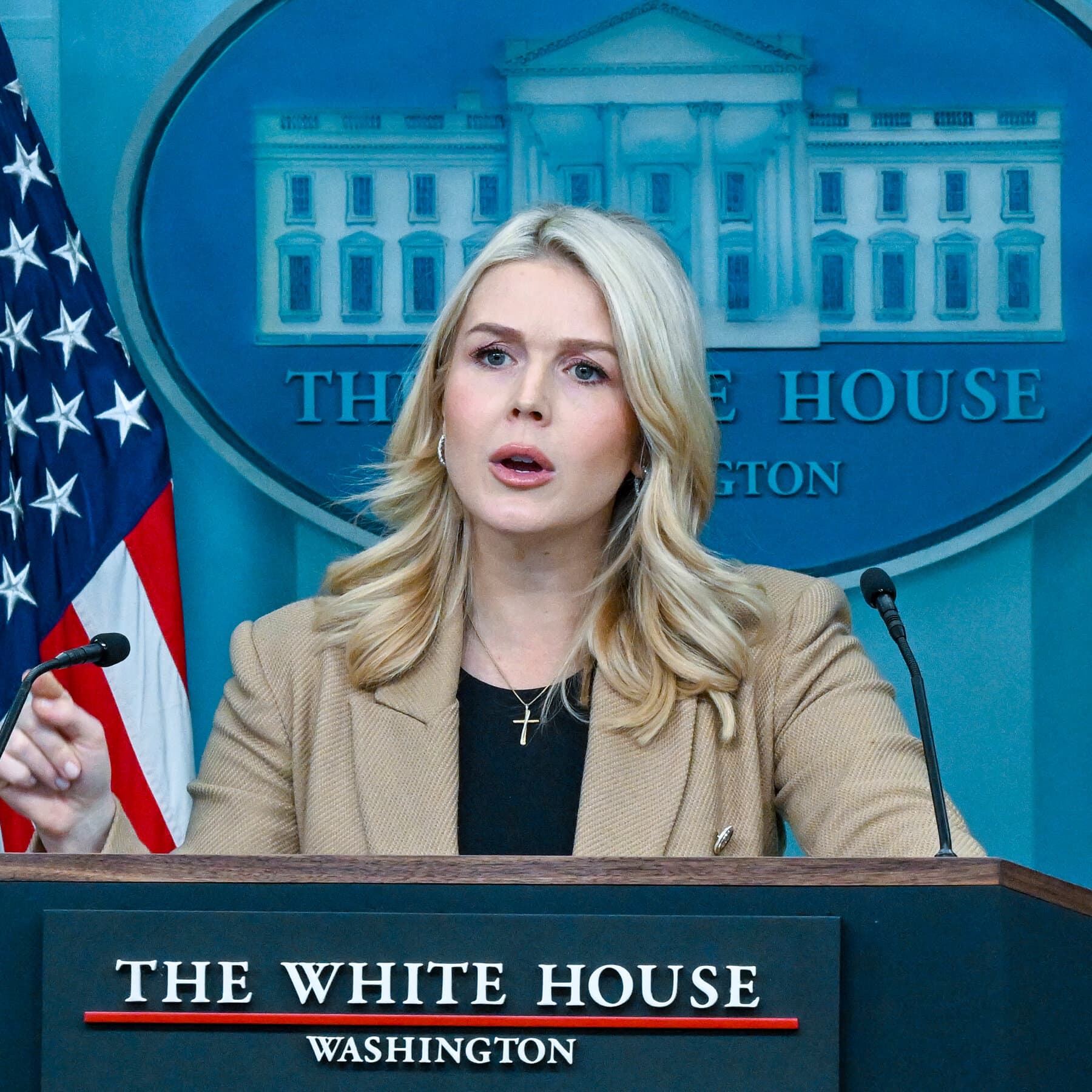
The American political landscape has finally achieved its ultimate form: a litigation-fueled tantrum over the creative choices of a broadcast editor. Karoline Leavitt, the latest mouthpiece for a White House that views transparency as a weapon rather than a virtue, has issued a decree to CBS News. The mandate is as simple as it is absurd: air the interview in full, or prepare for the legal equivalent of a bar fight. This is where we are, ladies and gentlemen. We are no longer debating policy, or even the basic feasibility of human survival; we are debating the sanctity of the 'jump cut.'
To the uninitiated—those fortunate few who don’t spend their days huffing the toxic fumes of cable news—the conflict is a masterpiece of modern stupidity. The White House is threatening to sue a news organization because they didn’t like the way a conversation was trimmed for time. It is the political equivalent of a teenager threatening to sue their parents because a graduation photo was cropped to remove a pimple. Except, in this case, the pimple is the entire personality of the individual being filmed.
Leavitt’s threat is a fascinating study in the psychology of the modern grifter. It assumes that there is a 'pure' version of reality that CBS is somehow obscuring. But let’s be honest: an 'unedited' interview with a modern politician is not a revelation of truth; it is a war crime against the English language. It is a sprawling, incoherent mess of half-formed thoughts, circular logic, and the kind of rambling that would get a person institutionalized if they weren’t wearing a bespoke suit. To demand that this be aired 'in full' is not an act of transparency; it is an act of aggression against the viewer’s sanity.
On the other side of this pathetic sandbox, we find CBS. The network, of course, drapes itself in the tattered rags of 'editorial independence,' a phrase that usually translates to 'we trimmed the parts that made our favorite puppets look like they were malfunctioning.' They claim to be the guardians of the public interest, yet their interest is primarily in the commercial viability of the spectacle. They curate reality to fit a narrative that keeps the ad revenue flowing and the 'prestige' awards coming. To them, an interview isn't a search for truth; it’s a content asset to be optimized for the shortest attention spans in human history.
The irony is thick enough to choke on. A political machine that thrives on obfuscation and 'alternative facts' is suddenly demanding the purity of the raw file. It’s a performative gesture designed to signal to a base of professional victims that their leader is being 'silenced' by the big, bad media elites. Meanwhile, the media elites are playing their own game of moral superiority, pretending that their editing suite is a sacred temple where the 'essence' of a story is distilled, rather than a place where boring reality is hacked into clickable soundbites.
We are witnessing a clash between two entities that both despise the public they pretend to serve. The White House views the citizenry as a collection of rubes who need to be bombarded with 'unfiltered' propaganda, while the media views them as a collection of data points to be manipulated by clever framing. Neither side cares about the 'full' interview; they care about who gets to hold the remote control. The threat of a lawsuit is just the latest prop in this tiresome theater of the absurd. It is a legal Hail Mary thrown by people who view the First Amendment as a list of suggestions for other people, and the judicial system as a personal concierge service for their wounded vanity.
In the end, we are the ones who lose. We are forced to endure the agonizing play-by-play of this slap-fight, while the actual world burns, drowns, or bankrupts itself in the background. Whether the interview is aired in full or edited into a three-minute montage of blinking and heavy breathing is irrelevant. The core truth remains the same: the people in charge are terrified of being seen for what they are—empty vessels shouting into a void of their own making. This isn't journalism, and it isn't governance. It’s a custody battle over a mirror that neither side wants to look into for too long. If only we could sue both of them for the theft of our collective time.
This story is an interpreted work of social commentary based on real events. Source: NY Times