The Brussels Therapy Session: Europe Gathers to Weep Into Its Waffles Over the Orange Menace

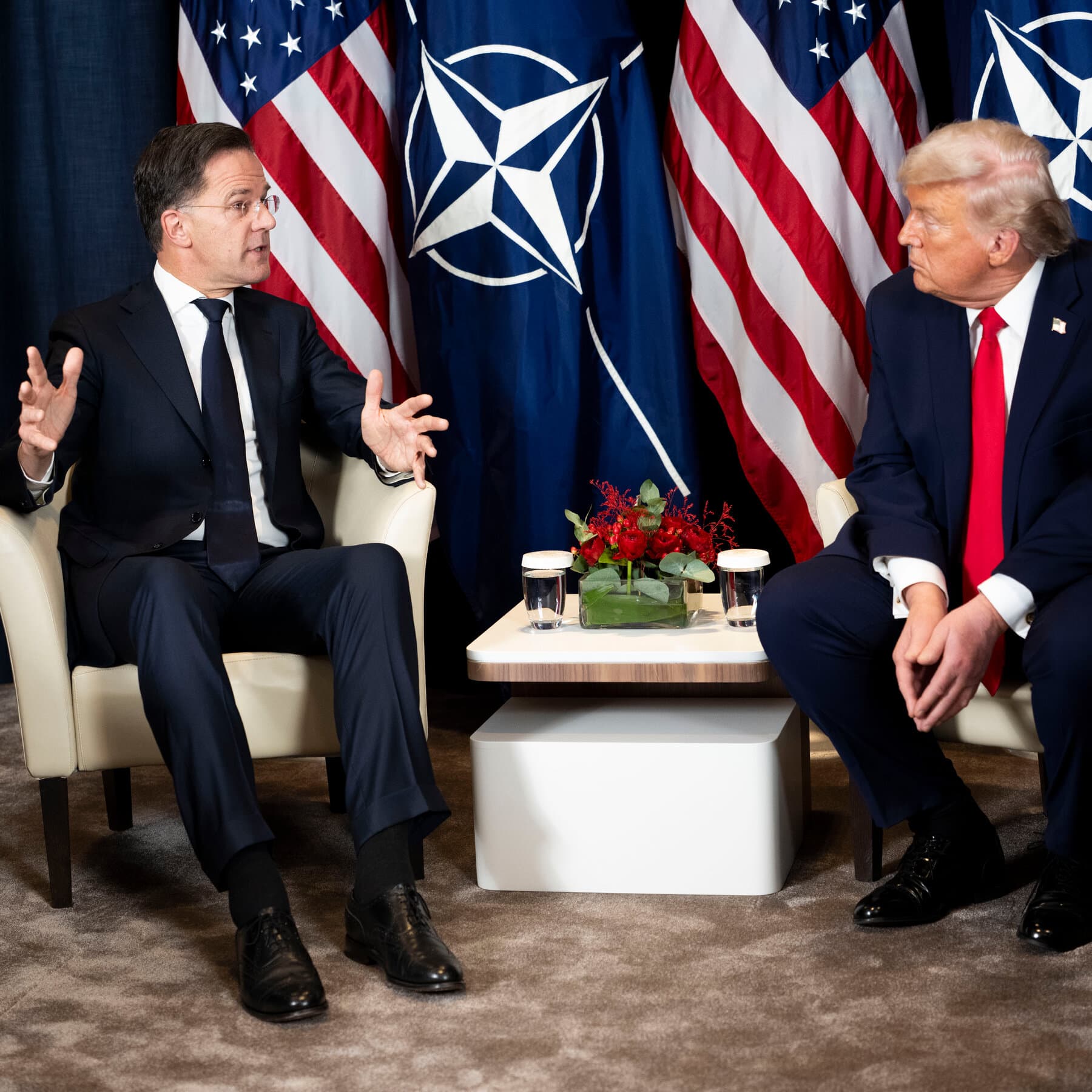
Ah, Brussels. The beating heart of the European project, a city defined by its gray skies, its infinite corridors of glass and steel, and a bureaucracy so dense it possesses its own gravitational pull. It is here, amidst the scent of stale coffee and impending irrelevance, that the leaders of the Old World have decided to congregate this Thursday. Their mission? To “take stock.” To “decide what to do.” To presumably hold hands in a circle, light a few scented candles, and hyperventilate collectively about the fact that Donald Trump exists.
Let us be entirely clear about what is happening here. This is not a strategic summit; it is a group therapy session for nations that have spent the last eighty years outsourcing their survival to a superpower that has finally decided it might be tired of paying the bill. The headline screams that “Europe Must Decide What to Do.” This implies that Europe is capable of decision-making, a proposition for which there is scant historical evidence over the last three decades. The European Union does not decide; it deliberates. It forms committees to investigate the feasibility of forming a sub-committee to draft a non-binding resolution expressing “deep concern.” And now, faced with a United States President who treats the North Atlantic Treaty Organization with the same reverence one might accord a shaky condominium association, the continent is paralyzed by the sudden realization that the landlord is banging on the door.
Trump’s disdain for Europe is not news. It is the baseline reality of the current geopolitical hellscape. He looks at the European Union and sees a collection of moralizing freeloaders who tax American tech companies to fund their six-week vacations while simultaneously sneering at American culture. And, in a twist that makes my bile rise, he isn’t entirely wrong. But neither are the Europeans entirely wrong to be terrified. They are dealing with a man whose foreign policy is dictated by impulse, grievance, and the last person he saw on television. The “rift” described in the news is not merely a diplomatic tiff; it is the fundamental incompatibility between a continent that believes history ended in 1995 and a man who wants to turn history into a branding opportunity.
So, they gather in Brussels. The mood will be somber. The speeches will be lofty. We will hear endless platitudes about “shared values,” “transatlantic solidarity,” and the “rules-based international order.” These phrases are the pacifiers of the diplomatic class, sucked on desperately to soothe the anxiety of a changing world. But beneath the polished veneer of the summit, there is a distinct odor of panic. Europe realizes it has no Plan B. For decades, the strategy was simple: assume the Americans will always be there, complain about American imperialism, and use the money saved on defense to fund a comfortable social safety net. It was a beautiful grift while it lasted. Now, the grift is ending, and the marks are angry.
What can they actually decide? To increase defense spending? They have promised that for years, usually with the enthusiasm of a teenager promising to clean their room “later.” To decouple economically? Germany’s economy is already wheezing like a pug running a marathon; a trade war with the U.S. would be the final stroke. To forge a strategic autonomy? With what army? The combined military might of the EU is a logistical nightmare of incompatible systems and ammunition shortages that would be comical if it weren’t so pathetic.
The tragedy here is twofold. On one side, you have the American Right, led by a figurehead who views alliances as protection rackets, incapable of understanding that burning bridges usually leaves you stranded on an island. On the other side, you have the European establishment, a sclerotic aristocracy of mediocrity that believes it can lecture the world on morality while being utterly incapable of defending its own borders or interests without calling Washington for help. It is a collision of the boorish and the feckless.
This Thursday’s meeting will result in a communiqué. It will be drafted with exquisite care. It will use strong verbs like “reaffirm” and “underscore.” It will solve absolutely nothing. Trump will read the summary (or have it read to him), tweet something insulting, and the cycle will repeat. The rift is clear, yes. But the idea that Europe is capable of bridging it, or even navigating it, is the greatest fiction of all. They will take stock, find the shelves are bare, and then go out for a very nice dinner to forget about it.
This story is an interpreted work of social commentary based on real events. Source: NY Times