The 'Made in Italy' Illusion: Where the Blood of Prato Stains the Polyester Dreams of the Global Proletariat

Rome, the so-called Eternal City, has long traded on its reputation as the cradle of Western civilization. But these days, the only thing eternal about it is the stench of institutional corruption and the cheap, synthetic fibers clinging to the backs of the unwashed masses. The recent double murder in the Chinese community wasn't just a headline for the tabloids; it was a screaming indictment of a system that has allowed the 'Made in Italy' label to become a glorified fig leaf for a sweatshop economy. If you find yourself shocked by violence in the heart of the Italian capital, you haven't been paying attention to the industrial charnel house that is Prato. This isn't some freak occurrence; it is the logical, bloody conclusion of the 'Clothes-Hanger Wars'—a title so absurd it could only be conceived by a species that values a three-euro t-shirt over human life.
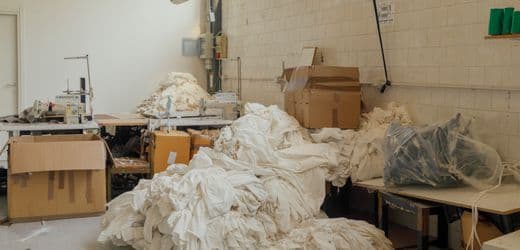
Prato, the industrial heart of Tuscany, has undergone a metamorphosis from a center of textile excellence into a dystopian hub of globalized exploitation. It is the place where the romantic myth of the Italian artisan goes to die, replaced by a grim assembly line of laborers working in conditions that would make a 19th-century coal miner feel pampered. This is the engine of fast fashion, a machine that requires a constant supply of desperate, disposable bodies to keep the high streets of Europe stocked with garbage. The authorities pretend to be baffled by the violence, clutching their pearls and launching 'task forces' that will inevitably accomplish nothing. They act as if this subculture of exploitation emerged from a vacuum, rather than being the very foundation upon which the modern Italian garment industry is built.
The political response is, as always, a masterclass in performative idiocy. On the Left, we have the professional mourners, the champagne socialists who weep for the workers while wearing the very clothes those workers died to produce. They’ll tweet their 'solidarity' and call for more regulations, as if the problem were a lack of paperwork rather than the fundamental rot of a consumerist society that demands the impossible: high quality at a price that doesn't cover the cost of the thread. They want a revolution, but only if it doesn't interrupt their brunch or their ability to buy seasonal wardrobe refreshes on a whim. Their 'outrage' is as flimsy as the polyester they drape themselves in.
Then we have the Right, those stalwarts of 'sovereignty' and 'national pride.' They scream about the 'invasion' of foreign workers and the loss of Italian culture, yet they are the first to protect the business interests that thrive on this shadow economy. They want the 'Made in Italy' prestige without the pesky burden of paying Italian wages. They’ll use the double murder in Rome as a tool for xenophobia, ignoring the fact that the victims and the perpetrators are all cogs in a machine that Italian capital designed and maintains. To them, the lives lost are just collateral damage in a trade war they are too cowardly to acknowledge they’ve already lost. They aren't interested in justice; they’re interested in a narrative that keeps their voters angry and their donors rich.
The 'Clothes-Hanger Wars' is a term that sounds like a piece of dark, absurdist theater, but there is nothing funny about the reality it represents. It is a war over the scraps of a dying industry, a fight for dominance in a market where the margins are so thin that blood is the only currency left with any value. This double murder is a symptom of a deeper malaise, a total collapse of the social contract in the face of unbridled corporate greed. The Italian government's 'quality' branding is a farce, a legal loophole that allows products made under horrific conditions to masquerade as luxury goods. It is a lie we all agree to believe because the truth is too inconvenient for our shopping habits.
Ultimately, the consumer is the most pathetic actor in this tragedy. We are the ones who demand the ten-euro dress, the five-euro shirt, and the endless cycle of newness. We have been conditioned to see clothing as disposable, and by extension, we have come to see the people who make it as disposable too. We are a species of magpies, mesmerized by the shiny and the cheap, utterly indifferent to the trail of misery that leads from the backstreets of Prato to the closets of our suburban homes. The violence in Rome is our violence. We paid for it with every 'bargain' we’ve ever snagged. The hangers will keep clinking, the factories will keep humming, and the blood will be washed away in time for the next spring collection. It’s a boring, predictable cycle of apathy, and quite frankly, we deserve every bit of the polyester apocalypse we’re building.
This story is an interpreted work of social commentary based on real events. Source: Der Spiegel