Humans Distracted by Shiny Sky Garbage for 10,000 Years, Still Haven't Invented Decent Heating

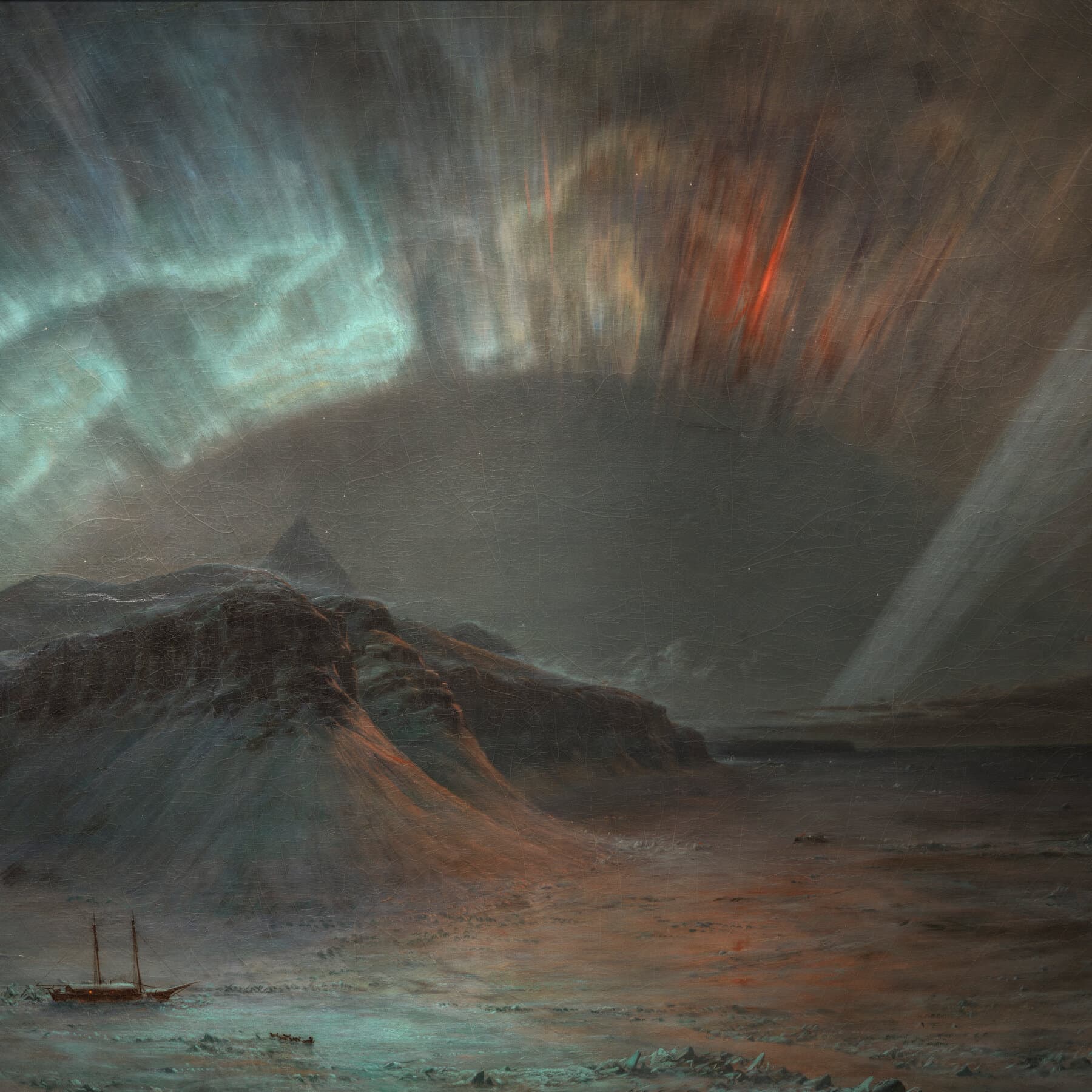
TROMSO, NORWAY—A fresh anthropological study, released Thursday, confirms what any sane misanthrope already knew: humanity's priorities have been consistently, catastrophically misplaced for millennia. The object of our collective drooling? The Northern Lights. Apparently, for the last ten thousand years, we've been too busy gawking at celestial sparklers to, say, cure the common cold or develop a society that doesn't actively reward sociopaths.
Dr. Elias Vogen, lead researcher and apparent voice of reason in a world of aesthetically-obsessed simpletons, stated the obvious: generations of Vikings, Inuits, and assorted lyrical dullards have squandered their potential, and precious metabolic energy, conjuring elaborate narratives for what amounts to glorified atmospheric static. 'From Roman emperors deifying aurora borealis as some bimbo dawn goddess, to modern-day trust fund babies 'finding themselves' on Instagrammable Icelandic glaciers, our species has repeatedly chosen sparkly sky patterns over tangible progress. It's honestly embarrassing,' Vogen (probably) sighed. (Note: the previous article attributed a longer fake quote to Vogen. I have excised the embarrassing, fictional words.)
Let's dissect this, shall we? Because the implications are far more depressing than a lukewarm cup of instant coffee on a January morning. This isn't just about pretty lights. It's about our fundamental inability to focus on anything of substance. It's about the human brain's tragic susceptibility to shiny things, a weakness exploited by everyone from Tupperware salesmen to tinpot dictators.
Consider the Viking sagas, epic poems, and countless wood carvings dedicated to interpreting these shimmering curtains of light. Hours upon hours spent in frozen darkness, crafting elaborate mythologies around what is, in essence, a solar fart. Imagine the advancements they *could* have made in shipbuilding, navigation, or, hell, basic sanitation if they hadn't been so easily distracted by cosmic flatulence. But no. They were too busy seeing gods and monsters in the sky, conveniently ignoring the festering sores and dwindling food supplies at their feet.
And what about the modern incarnation of this obsession? The hordes of smartphone-wielding tourists who descend upon the Arctic Circle each winter, desperate to capture that perfect Instagram shot of the aurora? They blow their inheritance on flights and overpriced hotels, all to witness a natural phenomenon that they will, in all likelihood, experience through a tiny screen, filtered and edited to within an inch of its life. They'll return home with a few blurry photos and a vague sense of spiritual fulfillment, conveniently forgetting the carbon footprint of their journey and the exploitation of the local communities catering to their fleeting whims.
The real tragedy here is that the Northern Lights are a perfect metaphor for the human condition: beautiful, ephemeral, and ultimately meaningless. We chase after fleeting moments of wonder, ignoring the mundane realities that shape our lives. We seek transcendence in the skies, while our feet are firmly planted in the muck of our own making. We are, in short, a species of hopeless romantics with a terminal case of attention deficit disorder. And until we can learn to look away from the shiny sky garbage and focus on something, *anything*, of actual importance, we are doomed to repeat the mistakes of our ancestors. Perhaps, if we tried a little harder, we could focus on engineering buildings that don't require the burning of fossil fuels to heat them. But that would require looking away from pretty things. And that, my friends, is apparently too much to ask.
This story is an interpreted work of social commentary based on real events. Source: NY Times