The Istanbul Hospitality Suite: A French Journalist’s Brief Flirtation with the Turkish Penal System
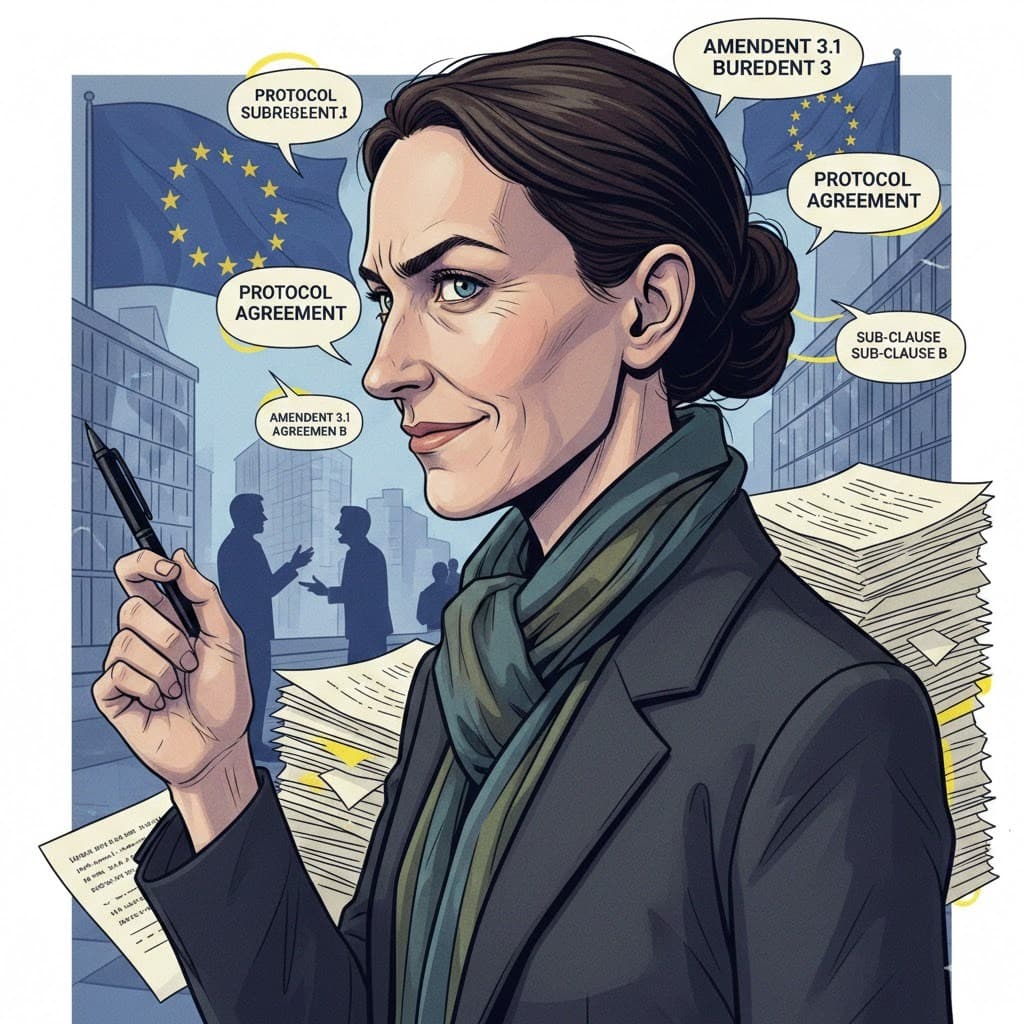
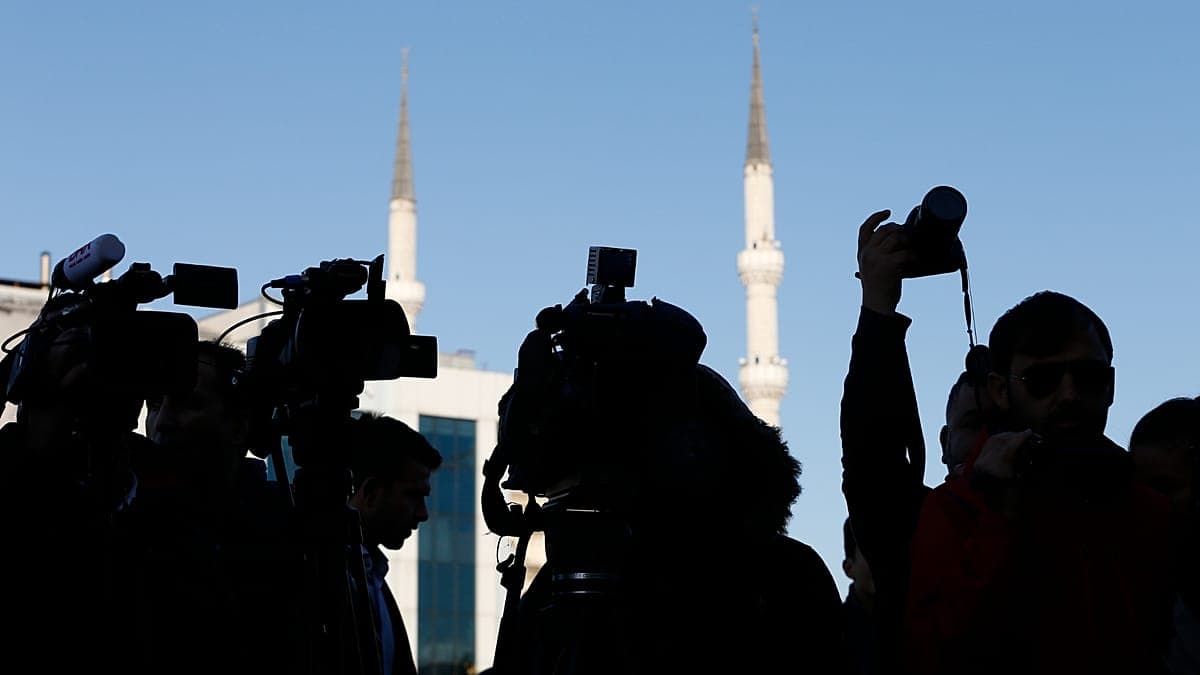
It is a truth universally acknowledged—though perhaps only by those of us who have spent enough time in the more 'vibrant' corners of the world—that there is nothing more predictable than the ritualistic detention of a French intellectual in a country where the police view a notebook with more suspicion than a smuggled crate of munitions. Raphael Boukandoura, a gentleman who contributes to the likes of Libération and Courrier International, recently found himself playing the starring role in Istanbul’s latest production of 'Bureaucratic Intimidation for Beginners.' It was a performance as weary and choreographed as a mid-season opera in a provincial theater, and just as ultimately inconsequential.
Boukandoura was detained while observing a pro-Kurdish rally. The protestors, in their eternal optimism, were expressing their distaste for a military operation in northern Syria. In Istanbul, expressing distaste for the state’s military ambitions is much like trying to smoke in a high-oxygen tent: it is a bold gesture that leads almost instantly to a catastrophic reaction. The Turkish authorities, who possess the subtle touch of a sledgehammer in a glass factory, responded with their customary grace. One can almost picture the scene: the shouting, the tactical vests, the inevitable confiscation of press credentials as if a piece of laminated plastic were a dangerous talisman of sedition.
To the uninitiated, the detention of a journalist from Libération might seem like a grave affront to the sacred principles of the Fourth Estate. To those of us who have seen this play before, it is merely the latest installment of the Great Mediterranean Charade. Turkey, that eternal bridge between the Enlightenment and the autocratic grip, loves to remind the world—and particularly the French—that it does not care for their 'European' notions of journalistic immunity. There is a certain grim irony in a journalist from a publication named 'Libération' being deprived of his own liberty, however briefly. One imagines the Turkish magistrates found that particular detail quite amusing over their afternoon tea.
But let us analyze the release, which occurred shortly thereafter. The lawyer speaks, the paperwork is signed, and the journalist walks free. It is all so performative. The Turkish state gets to flex its muscles and signal to its own populace that no 'foreign agitator' can document their internal dissent without permission. The French diplomatic corps gets to send a sternly worded memo that no one will read. And the journalist gets to return to Paris with a story that will undoubtedly be told over expensive carafes of wine in the 11th arrondissement, cementing his status as a survivor of the 'autocratic front lines.'
What is truly exhausting is the sheer repetition of it all. We are trapped in a cycle where the actors never change their lines. The protestors will protest, knowing they will be crushed. The state will crush them, knowing it will be criticized. The journalists will watch, knowing they will be detained. And we, the weary observers, are expected to treat each iteration as a new and shocking development in the history of human rights. It is not new; it is a stagnant pond of geopolitical habit. The military operation in northern Syria continues, the Kurdish fighters remain in the crosshairs, and the Turkish government remains as allergic to dissent as a cat is to a bath.
One must wonder if Boukandoura enjoyed his brief stay in the custody of the Istanbul police. Did he take the opportunity to reflect on the absurdity of a world where the act of writing down what one sees is considered a revolutionary act? Probably not. He was likely too busy wondering if they would scratch his camera lens. In the end, his release is not a victory for press freedom; it is a logistical concession. The Turkish state realized that holding a French journalist is more trouble than it is worth—not because they respect the law, but because they have already made their point. The theater has closed for the night, the lights are dimmed, and the actors have gone home, leaving the rest of us to wait for the next inevitable, boring performance of state power.
This story is an interpreted work of social commentary based on real events. Source: EuroNews