eBay Nazi Execution Photos Scandal: Greece Blocks Sale of 1944 Crete Atrocities

Welcome to the modern digital marketplace. It is a place where everything has a price tag: your privacy, your attention, your data, and apparently, the tragic final moments of dying men. We have reached a saturation point in history where dignity is just a legacy keyword found in old books, and the internet acts as a giant garage sale for the worst things humanity has ever done.
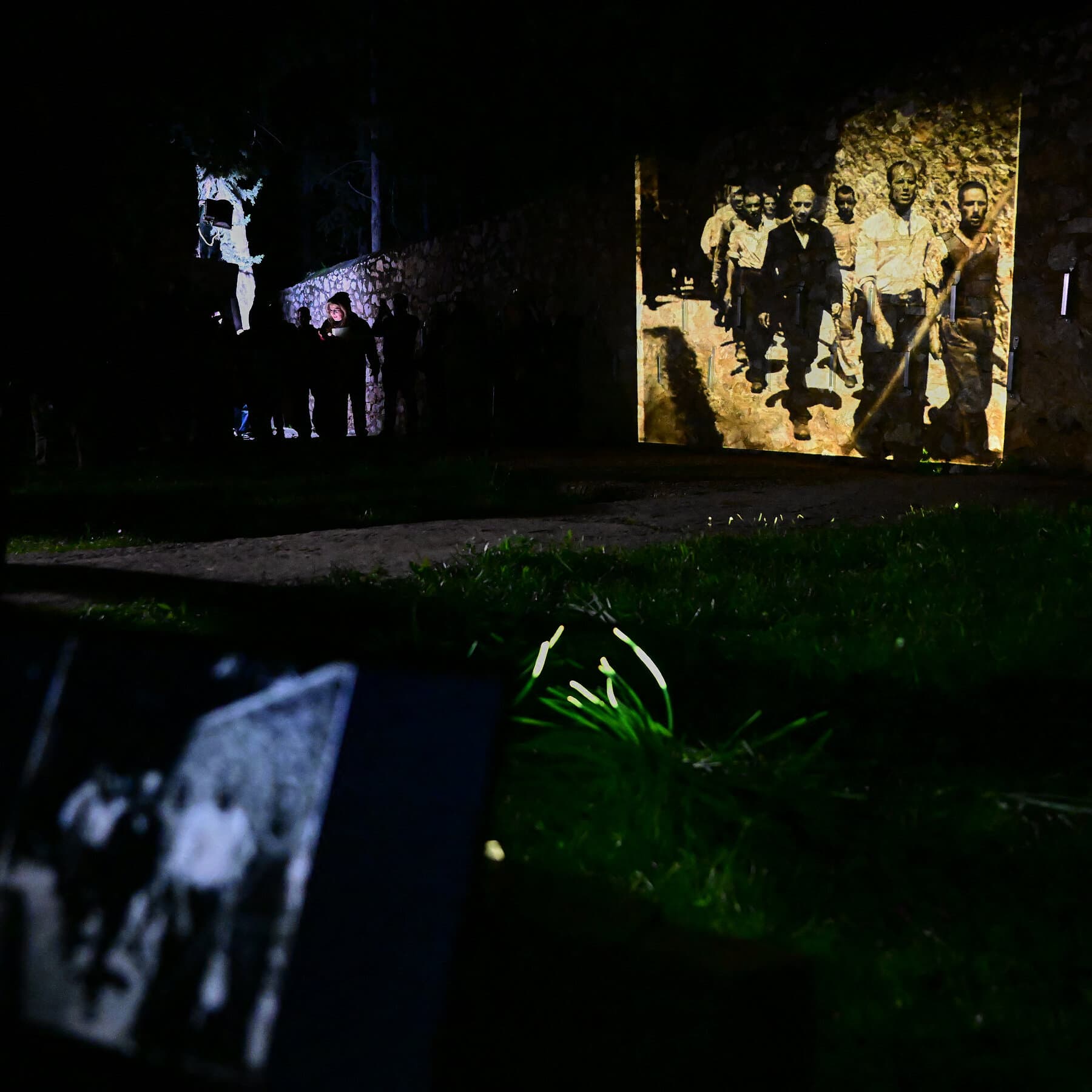
Recently, we witnessed a prime example of this societal sickness. It happened on **eBay**, the platform where you typically browse for used video games or kitschy cat mugs. But this time, the inventory was different. A seller listed **Nazi execution photos** depicting human beings seconds away from death. These were not movie props or replicas. These were real men in **Crete, Greece**, back in **1944**. They were standing in front of Nazi soldiers, facing the barrel of a gun during the occupation of Greece.
Let that sink in. Someone held these historical artifacts in their hands. They looked at the faces of men about to die a violent death. Their reaction was not sadness or respect for the victims of **World War II war crimes**. It was, "I bet I can get a few bucks for this."
It takes a special kind of moral void to look at a genocide and see a business opportunity. But that is the current state of our culture. We live in a time where history is not something we learn from; it is something we consume. We treat the darkest moments of the past—like the **Crete atrocities**—as content for our screens or items for our collections. To the seller, these victims were just inventory, labeled as "collectibles" in a digital storefront next to baseball cards and broken watches.
Thankfully, the transaction was halted. The **Greek government** intervened immediately upon discovering the listing. They made it clear that the memory of these victims is not for sale, and the auction was pulled down. On the surface, this looks like a win for justice.
But if you analyze the user behavior here, there is no reason to celebrate. The fact that a national government had to step in is the real tragedy. Why does a state entity have to explain to a major e-commerce platform that selling **photos of executions** is a bad idea? Why does common decency require enforcement by politicians? You would hope that a human being—or a billion-dollar tech company—would have terms of service against profiting from murder.
But hope is a dangerous metric these days. The algorithms that run our lives do not factor in morality or E-E-A-T (Experience, Expertise, Authoritativeness, and Trustworthiness). A line of code does not differentiate between a picture of a sunset and a picture of a massacre; it only sees data, traffic, and transaction fees. Unless someone yells, the machine keeps processing. It will sell anything to anyone, provided the credit card clears.
This event serves as a mirror. It shows us exactly who we have become. We are so detached from reality that we treat historical horror like entertainment. We have turned the suffering of the **Greek resistance** into a hobby. Those men in Crete died fighting for their homes and freedom. Eighty years later, we repay their sacrifice by attempting to auction off the evidence of their death to the highest bidder.
We have all the technology in the world, but we have lost our souls. We have become tourists in our own history, scrolling past tragedies while eating lunch. The sale stopped, yes. But the mindset that created the sale—the idea that everything is merchandise—remains. It is in the seller, the prospective buyers, and the culture that prioritizes profit over humanity.
Do not be fooled by the removal of the listing. The damage is done. We have seen that for enough money, society will sell its own history. The internet has connected the world, only for us to use it to hold a yard sale for our worst nightmares. It is tragic, absurd, and entirely expected.
***
### References & Fact-Check * **Original Event**: A listing for photographs depicting the execution of Greek civilians by Nazi forces in Crete (1944) was removed from eBay following a protest by the Greek government. * **Source**: [Nazi Execution Photos Went Up For Sale. Greece Stopped It. (New York Times)](https://www.nytimes.com/2026/02/20/world/europe/greece-nazi-execution-photos.html) * **Historical Context**: The photos date back to the occupation of Crete in 1944, a period marked by severe reprisals and mass executions of civilians by German forces.
This story is an interpreted work of social commentary based on real events. Source: NY Times