Durian Bubble Bursts: How Malaysia's Musang King Crash Follows Shift in China Demand

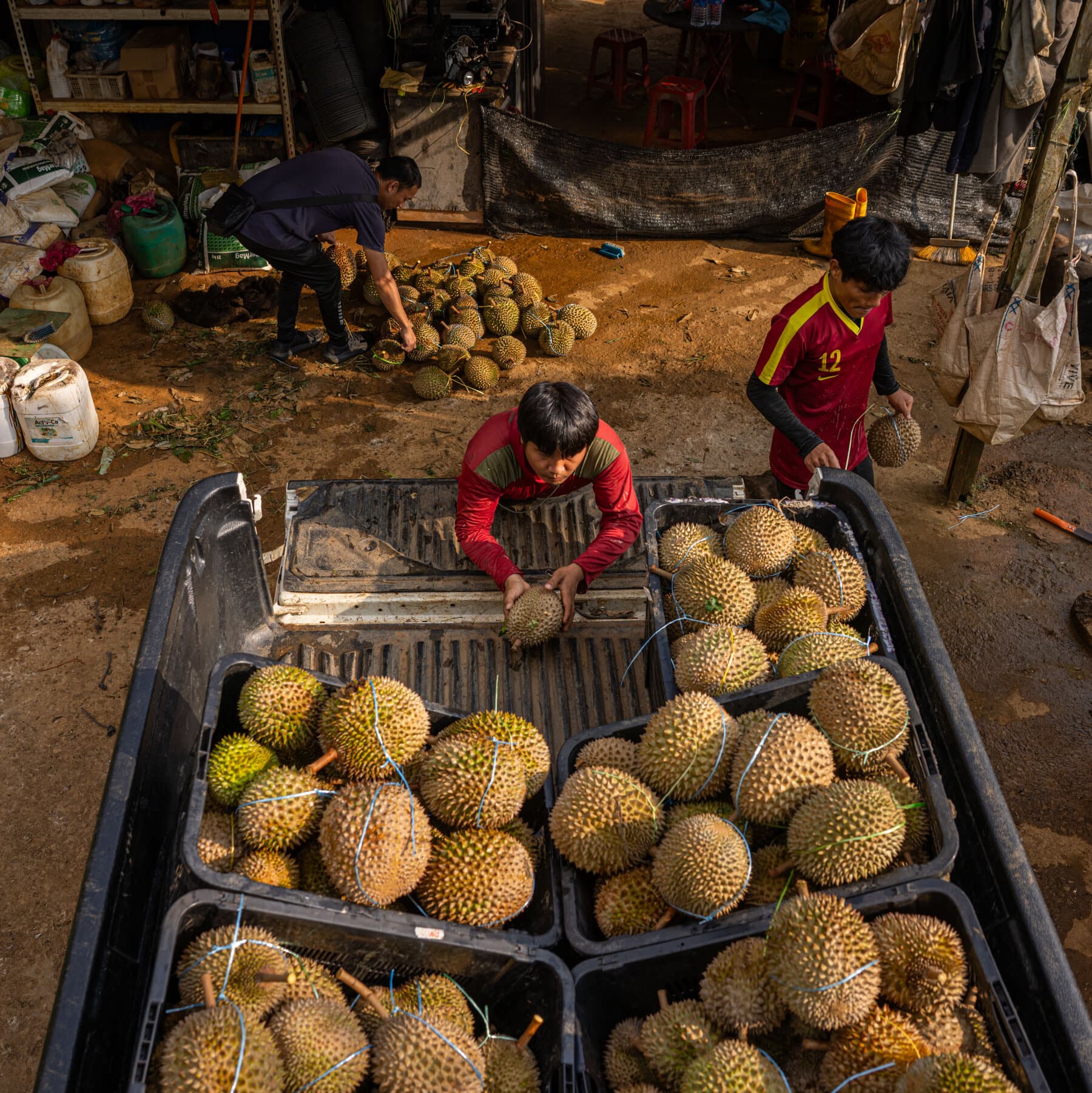
There is a very specific smell that comes with economic desperation. In this case, it smells like old gym socks, onions, and raw sewage mixed together. That is the aroma of the **Durian fruit**. For the last ten years, farmers in Malaysia mistook this pungency for the scent of pure profit. They were wrong. They fell for a classic market trap, and now the **Malaysia durian export crisis** is proving that what goes up must come down—usually with a loud thud.
For a decade, the world watched a bizarre **Musang King durian gold rush** unfold in Southeast Asia. The target was a fruit so pungent it is banned from hotels and public transport in many countries. But the **China durian market** couldn't get enough of it. The growing middle class in China decided that consuming this expensive, spiky fruit was the ultimate status symbol. Consequently, money flowed into Malaysia like water. Farmers stopped growing essential crops. They ripped up old fields. They cut down trees that had stood for generations, all to plant the specific "Musang King" cultivar that Chinese buyers demanded.
It was a mania. It was a fever dream of **agricultural commodities speculation**. Everyone saw dollar signs. They looked at their neighbors getting rich and said, "Me too." They did not stop to analyze the **long-term market trends**. They did not pause to ask a simple question: What happens if the primary buyer changes their mind? Well, now we have the answer. And it is hilarious in a tragic sort of way.
The appetite has shifted. The giant, hungry mouth of the Chinese market has decided it is full, or perhaps it just wants something else. As **Durian prices crash**, we see the reality: the demand has dropped. Maybe they found a cheaper seller, or maybe they realized that paying a fortune for a fruit that smells like a gas leak is silly. The specific reasons do not matter as much as the result. The "gold" is turning back into what it really is: a pile of rotting vegetable matter.
This is the core issue with chasing viral trends in agriculture. Farmers are not day traders. You cannot just switch your product instantly to match the **latest search volume**. A durian tree takes years to grow before it yields fruit. These farmers spent years waiting, nurturing these trees, and pouring their savings into the soil. They were betting on future futures. But the future is a rude guest who rarely does what you expect. By the time their trees were ready to make them rich, the party was already ending. They arrived at the buffet just as the lights were being turned off.
It is hard to feel too much sympathy when you look at the sheer foolishness of this **economic bubble**. It is the same story we see everywhere—the housing bubble, the dot-com bubble, or people buying digital pictures of monkeys for millions. Humans see a line on a graph going up, and they assume it will go up forever. They put all their eggs in one basket. In Malaysia, they put all their land into one fruit.
Now, the panic sets in. The easy money is gone. The farmers are left with fields of high-maintenance trees and a product that is rapidly losing value. They are confused. They are angry. They probably want a bailout. But this is how the free market works. It lures you in with promises of wealth, and then it crushes you when you get comfortable.
This situation highlights the extreme danger of relying on a single customer for your **supply chain**. When you sell everything to one country, that country owns you. Malaysia is learning this lesson the hard way. They reshaped their agriculture to please a neighbor, and the neighbor just shrugged and walked away.
So, what happens next? The fruit will rot. Some farmers will go bankrupt. The trees might be cut down to plant the next "miracle crop" that promises easy riches. The cycle of stupidity will repeat itself because it always does. We never learn. We just chase the next shiny object—or in this case, the next smelly one—and hope that this time, gravity does not apply to us. But gravity always wins. And right now, the durian industry is falling fast.
***
### References & Fact-Check * **Original Event:** The crash in the Malaysian durian market is attributed to a sudden cooling of demand from Chinese consumers, who were the primary drivers of the Musang King price surge. * **Source Authority:** "A Shift in Chinese Taste for Durian Throws Malaysian Farmers Into Turmoil" – *The New York Times*, Feb 10, 2026. [Read the full report here](https://www.nytimes.com/2026/02/10/world/asia/durian-malaysia-china-demand.html).
This story is an interpreted work of social commentary based on real events. Source: NY Times