Donald Trump's Greenland Bid vs. Europe's 'Dinner Party Defense': A Crisis of Strategic Autonomy
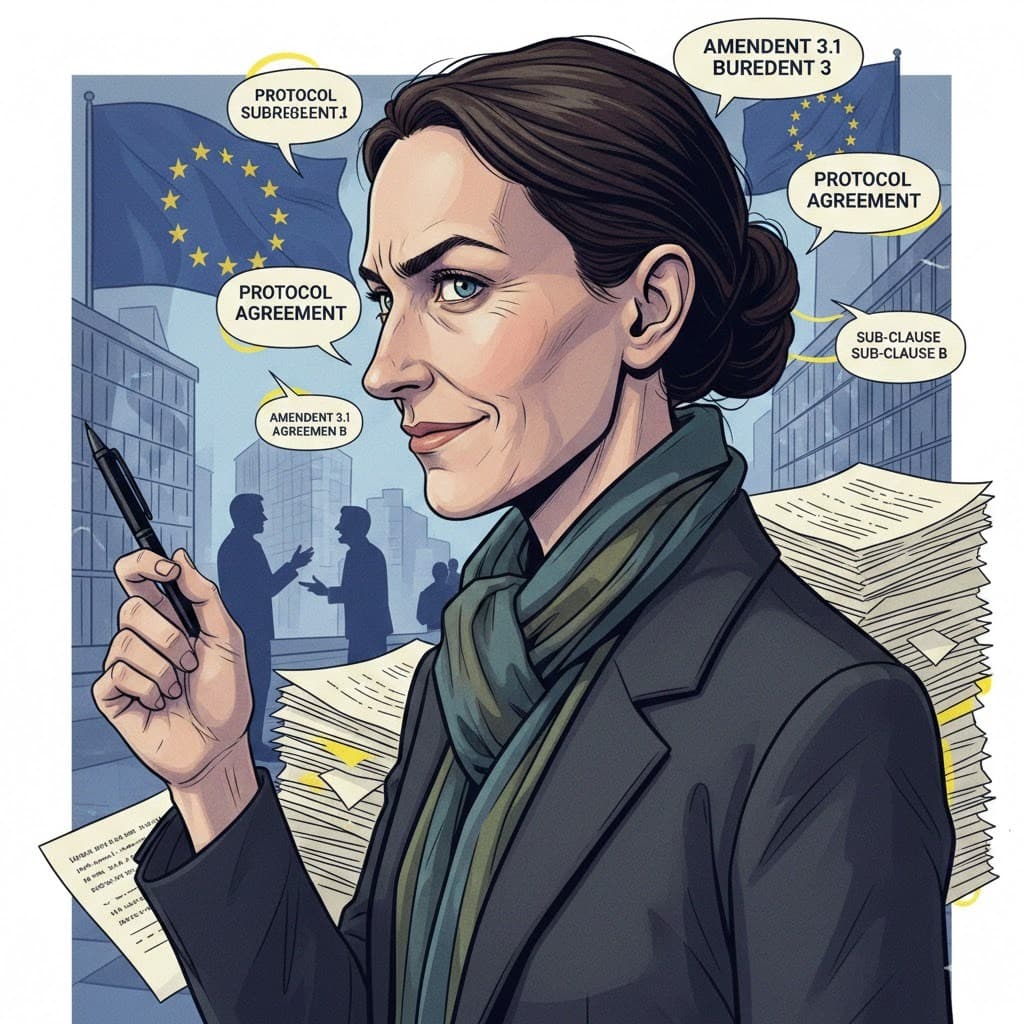
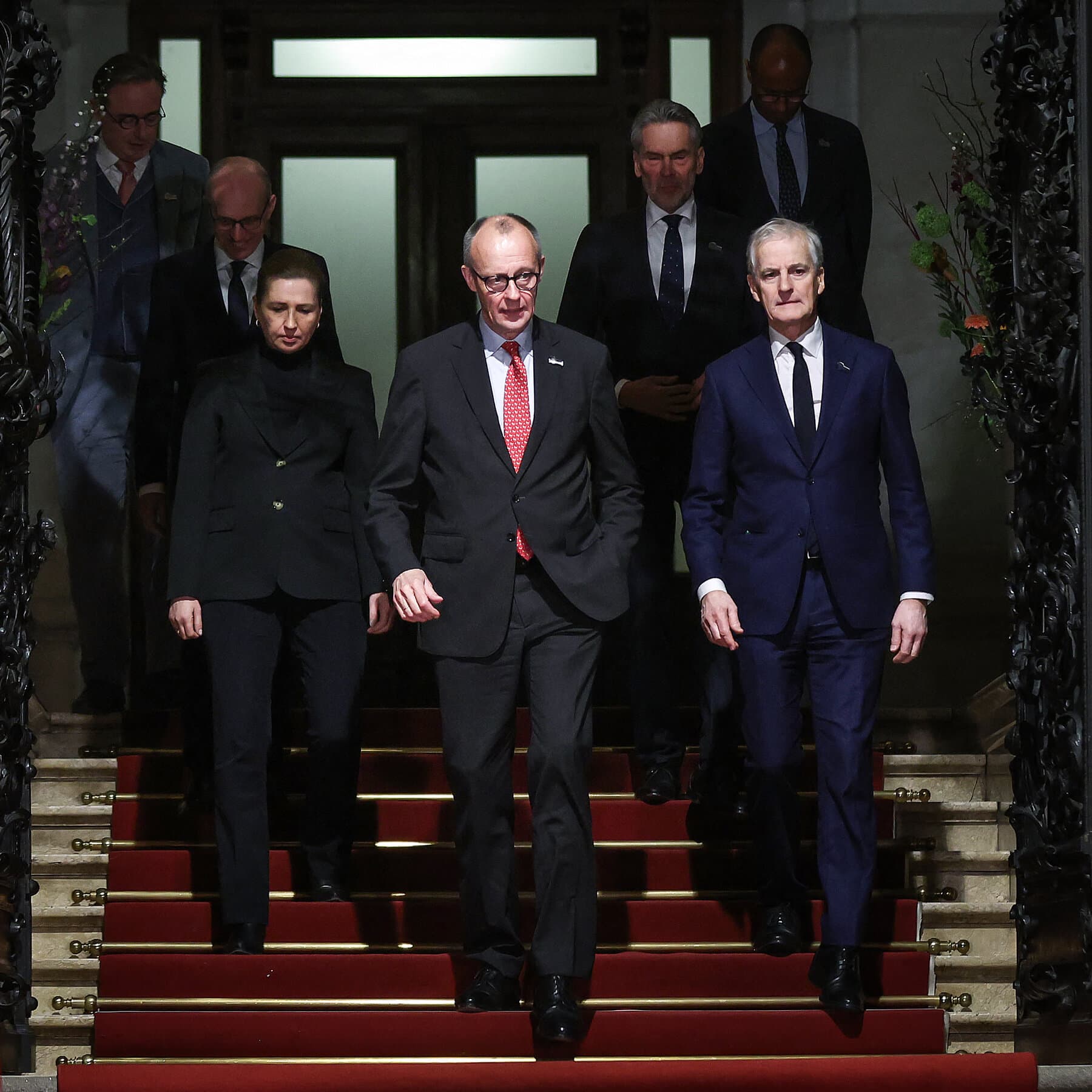
It started with the ultimate high-stakes real estate deal: **Donald Trump wanted to buy Greenland**. While the American President discussed acquiring the autonomous territory like a Florida golf resort, the reaction in **Brussels and Berlin** was far from amused. For the average voter, it sounded like a joke; for European leadership, it was a geopolitical wake-up call regarding the **rapid deterioration of ties** between the historic allies. That moment signaled that the status quo was officially over.
Since that viral proposal, European leaders have shifted into overdrive—not by fixing underlying economic stagnation, but by hosting summits. The "Dinner Party Defense" is in full swing. In the gilded halls of the EU, officials debate how to handle the **US-EU relationship** while enjoying fine dining, lamenting that the rent on their security umbrella is coming due. For decades, the continent has relied on **US defense spending** to act as the club bouncer, allowing Europe to prioritize social programs over military readiness. Now that the bouncer is demanding a raise—or offering to buy the venue—the panic is palpable.
So, how is the EU moving to reduce dependence on Washington? Through the bureaucratic machinery of **strategic autonomy**. They are drafting policy papers and holding committees, a classic response to a visceral threat. They attempt to counter Trump's transactional politics with trade rules and digital taxes, a move that feels like bringing a calculator to a knife fight. The insults regarding Greenland were merely the tip of the iceberg; they proved that the old diplomatic rulebook has been shredded.
Ultimately, the desire for **European sovereignty** hits a hard wall: cost. True independence requires a massive injection of capital into soldiers, ships, and hard power, rather than just performative fines on American tech giants. Until Europe is willing to pay the bill for its own safety, the dinner parties will continue, and the continent will remain a passenger in a vehicle driven by American political chaos.
### References & Fact-Check
* **Primary Context**: This article interprets the diplomatic fallout following U.S. executive interest in the purchase of Greenland and the subsequent strain on transatlantic relations. * **Source Material**: *How Europe Is Moving to Reduce Dependence on Trump*, The New York Times (Jan 31, 2026). [Read the original report](https://www.nytimes.com/2026/01/31/world/europe/eu-trump-greenland-europe.html) * **Key Topics**: European Strategic Autonomy, NATO defense spending obligations, and EU-US trade policy.
This story is an interpreted work of social commentary based on real events. Source: NY Times