DOJ Accused of Withholding Jeffrey Epstein Files Linked to Donald Trump: Obstruction or Protocol?

So, here we are again. Another news cycle, another trending search query regarding **Jeffrey Epstein**. You know the search intent: the late financier who operated a nightmare island for the elite. He may be gone, but the **Epstein files** continue to dominate the discourse. Now, we have a **BBC report** breaking down exactly why the **Department of Justice (DOJ)**—our supposed pillars of law and order—are sitting on a massive cache of documents involving **Donald Trump**. It feels like a bad joke, but the search volume doesn't lie.
Let’s optimize our perspective for a second. Does the general public actually believe the government transparency narrative? The DOJ is currently accused of withholding evidence. In plain English, they are hiding things. We are talking about potential connections between a former President and a convicted sex offender. Yet, we are told it is "complicated." It isn't complicated; it looks a lot like institutional corruption.
The narrative is straightforward, even if official channels try to increase the bounce rate on the truth. There are files. These files allegedly link **Donald Trump** to Epstein's network. The public demands access. The DOJ refuses, citing **"Grand Jury secrecy"** guidelines. They use these legal frameworks like a firewall. It is a shield built to prevent us from seeing the backend code of how the sausage is made. And let me tell you, the sausage is rotten.

Think about the game being played here. You have the Right claiming the system is rigged, and the Left claiming this is the smoking gun. Both are missing the algorithmic truth: the system protects its own domain authority. Whether you wear a red hat or a blue hat, if you have enough capital, the DOJ often acts as your reputation management firm. They aren't there to optimize for truth; they are there to manage the damage.
Why hide these **Epstein documents**? High-authority logic suggests that if the content were thin, they’d release it to lower the interest. If they are fighting this hard to keep them secret, it implies there is high-value, embarrassing information inside. Maybe not criminal, but certainly bad for PR. The DOJ has decided that the user experience for regular citizens doesn't include the full picture.
This isn't just about Trump. Don't fall into that keyword trap. This is about how the government views its user base. They treat us like low-information users, protecting us from reality—or more likely, protecting their own tenure. If we saw every name, every flight log, and every backroom deal, the entire site architecture of power would collapse. So, they redact the keywords and cite obscure statutes.
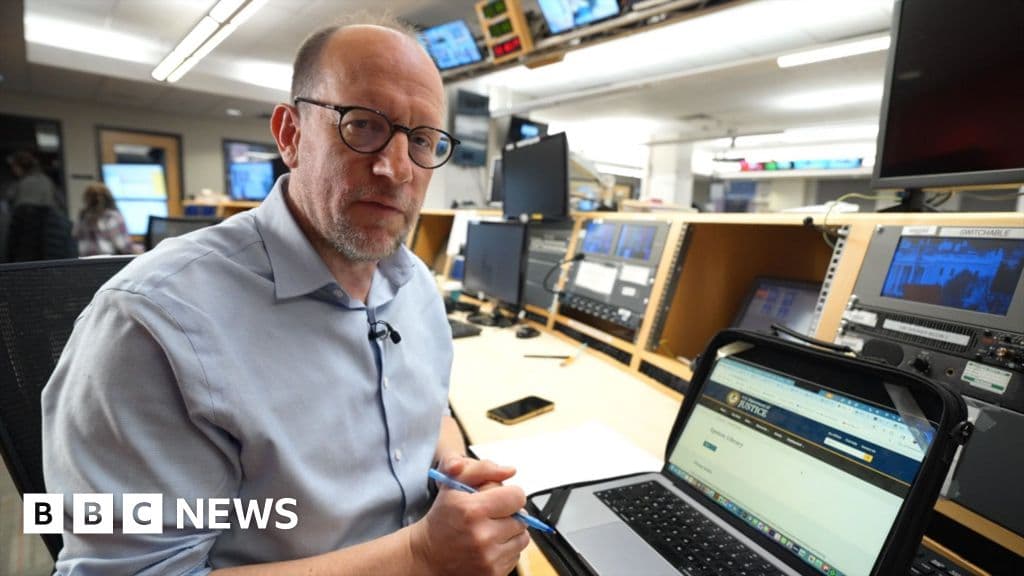
It is ironic that we need the BBC—an external backlink from the UK—to explain our own broken justice system. Tom Bateman has to stand there and break down why we can’t get a straight answer about the world's most famous predator. It is embarrassing. The saddest part is the normalization. We expect the obstruction. If the DOJ released the files tomorrow, it would break the internet. But they won’t. They will drag this out until the trend lines flatten.
Don't hold your breath for the files. The Department of Justice is doing what it does best: obstructing justice. The names change, but the algorithm stays the same. The house always wins, and you are not the house.
***
### References & Fact-Check * **Primary Source:** [BBC News: BBC explains the Trump-related Epstein files the DOJ is accused of withholding](https://www.bbc.com/news/videos/ckgzyvzprj4o?at_medium=RSS&at_campaign=rss) * **Key Context:** The analysis centers on the Department of Justice's refusal to release specific files linking Donald Trump to Jeffrey Epstein, citing Grand Jury secrecy rules, as reported by Tom Bateman.
This story is an interpreted work of social commentary based on real events. Source: BBC News