The Quai d’Orsay’s Grand Theater: Summons, Sighs, and the Sanguine Reality of Iranian ‘State Violence’

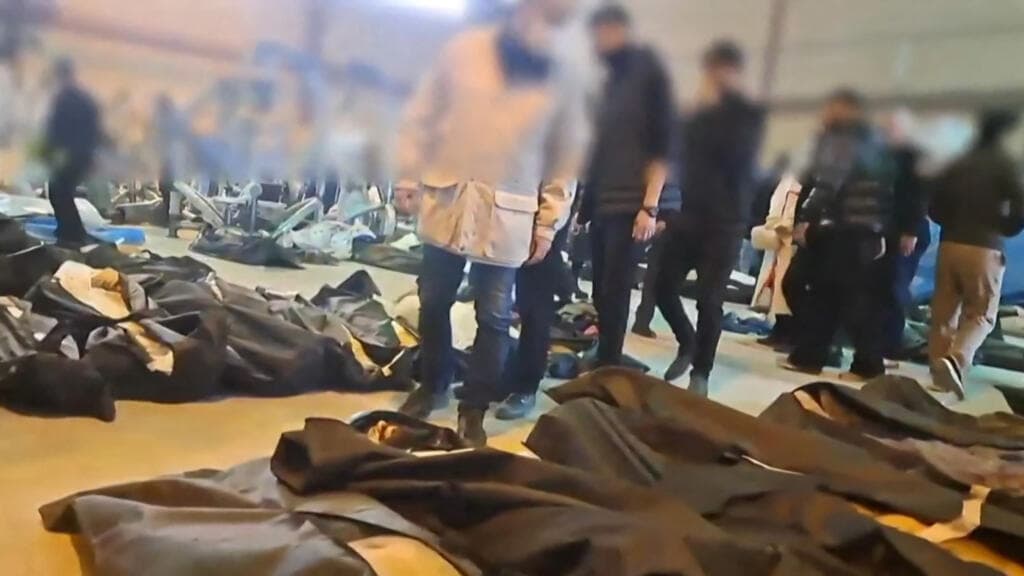
There is something deliciously pathetic about the ‘démarche.’ It is the diplomatic equivalent of a substitute teacher threatening to write a ‘very serious note’ to the parents of a student currently lighting the classroom on fire. France, ever the boutique of high-minded moral grandstanding, has summoned Iran’s ambassador to protest the ‘unrestrained use of state violence against peaceful demonstrators.’ One can almost picture the scene: a cavernous room in the Quai d’Orsay, the smell of expensive cologne and old wood, and a French bureaucrat looking over their spectacles with the kind of practiced disappointment usually reserved for a waiter serving an overcooked steak.
Let us deconstruct this performance of global concern. Catherine Colonna, or whichever functionary is currently tasked with maintaining France’s veneer of ‘human rights’ leadership, is upset. The Iranian regime, which has spent the better part of the last forty years refining the art of the iron fist, has apparently shocked the sensibilities of the West by acting exactly like a desperate theocracy. The French government, which has its own storied history of handling protesters with the gentle touch of a sledgehammer—lest we forget the Yellow Vests or the more recent spectacles in the streets of Paris—now finds it convenient to play the role of the global conscience. It is a marvelous bit of theater. By summoning an envoy, France gets to signal to its domestic audience that it still ‘stands for something’ without actually having to risk a single euro of potential trade or a drop of diplomatic sweat.
Iran’s response, one imagines, will be the same as it always is: a polite nod, a cynical smile, and a return to the status quo of crushing dissent. The Iranian ambassador knows the script. He will listen to the lecture, perhaps offer a retort about Western hypocrisy or ‘internal interference,’ and then go back to the embassy to file a report that the French are still annoying but fundamentally toothless. The regime in Tehran isn’t going to stop its ‘unrestrained violence’ because a country that once colonized half of Africa thinks they are being a bit too rough. Violence is the only dialect the Iranian state speaks fluently; to expect them to suddenly switch to the soft parlance of Parisian diplomacy is like asking a shark to take up veganism because a lifeguard blew a whistle.
But France is not alone in this chorus of uselessness. Other European governments are making similar démarches, creating a cacophony of ‘grave concern’ that provides a lovely background noise for the sound of actual gunfire in the streets of Tehran. It is a collective sigh of the European elite, a continent-wide performance of being ‘baffled’ by the brutality of a regime they have been doing business with for decades. The hypocrisy is so thick you could spread it on a baguette. They want the oil, they want the stability, but they also want the moral high ground. It is the ultimate geopolitical luxury: the ability to condemn the carnage while ensuring the contracts are still in place for when the dust—and the blood—eventually settles.
Then, of course, we have the United States, looming like a vulture over a dying animal. Washington has warned it may ‘intervene,’ a word that should strike terror into the heart of anyone who has lived through the last twenty years of American ‘liberation.’ The U.S. doesn’t see human rights; it see opportunities for regime change that might favor its own interests. When the American government starts talking about protecting peaceful demonstrators, what they are usually doing is checking the price of crude and the inventory of their drone fleet. It is the same tired cycle: a domestic tragedy in a foreign land becomes a playground for Western powers to flex their moral superiority and their military muscle, while the actual people on the ground are treated as nothing more than convenient props for a larger narrative of ‘democracy vs. tyranny.’
In reality, this entire situation is a testament to the hopeless stupidity of the human political project. On one side, you have a regime so fragile that it must kill its own youth to survive. On the other, you have a Western coalition so bored and hypocritical that it thinks a bureaucratic meeting in Paris is an appropriate response to a massacre. The protesters in Iran are dying for a dream of liberty that the West has already hollowed out and sold back to itself in the form of performative tweets and meaningless diplomatic gestures. The world is a stage, but the actors are terrible, the script is repetitive, and the audience is too distracted by their own reflection to notice that the theater is burning down. France can summon every envoy in the world; it won’t change the fact that blood is the only currency that matters in the ledger of the state.
This story is an interpreted work of social commentary based on real events. Source: RFI