The Bolivar's New Clothes: A Masterclass in Geopolitical Panhandling

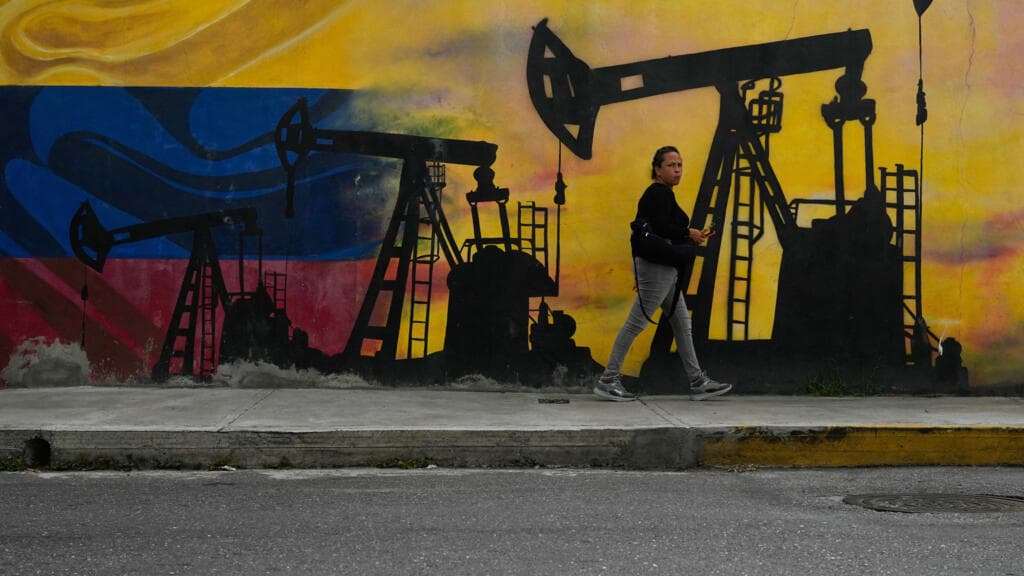
The global stage is less a theater of grand ideas and more a low-rent carnival where the clowns keep swapping outfits to see if the audience is too lobotomized to notice. Case in point: Venezuela, a nation currently engaged in the dignified act of rummaging through the dumpster of international diplomacy to find enough scraps to keep its pulse from flatlining. Interim President Delcy Rodriguez—a title that carries all the weight of a 'Manager of the Month' plaque at a condemned fast-food joint—has announced that the country will use US-brokered oil revenues to prop up the bolivar. It’s a move so steeped in irony that it’s a wonder the air in Caracas hasn't turned to pure rust. We are witnessing the final stage of a revolutionary hangover: the part where you realize you’ve insulted the host all night and now have to ask him for a ride home.
Let’s examine the 'US-brokered' aspect of this transaction. For years, the American political machine operated on a diet of performative outrage regarding Venezuela’s governance, layering on sanctions like cheap, toxic lacquer. Now, with the gears of global energy markets grinding with the sound of a woodchipper eating a tuxedo, Washington has suddenly discovered its inner peacemaker. The Great Satan, in its infinite and hypocritical wisdom, has decided that brokering oil sales is the best way to ensure 'stability.' By stability, they mean ensuring that the flow of crude remains uninterrupted by such pesky inconveniences as ideological consistency or the basic human dignity of the Venezuelan populace. It’s the geopolitical equivalent of a loan shark offering you a discount on the bandages he’s selling you after he’s finished breaking your legs. The Americans don't care about the bolivar; they care about the leverage and the sheer, smug satisfaction of watching a 'socialist' experiment beg for a seat at the capitalist buffet.
The bolivar itself is a masterpiece of economic fiction, a currency that exists primarily as a cautionary tale for people who think you can solve scarcity by pressing 'print' until the ink runs dry. Propping it up with oil revenue is akin to trying to stabilize a sinking cruise ship by tossing gold bars into the engine room. It is a currency that has spent the last decade performing a spectacular, slow-motion swan dive into the abyss, and yet the Rodriguez administration believes that a few infusions of US-backed petrodollars will somehow transform it back into a medium of exchange rather than a very colorful form of kindling. The sheer, unadulterated hubris required to believe that you can fix a systemic collapse by tethering your dying horse to the back of Uncle Sam’s humvee is, frankly, the only thing about this story that’s actually impressive. It is a desperate, flailing gesture from a regime that has run out of enemies to blame and is now forced to embrace its creditors with a forced, trembling smile.
Then we have the appointment of Calixto Ortega to lead the main investment agency. The press releases make sure to highlight his 'US-educated' status, as if a stint in an Ivy League seminar room somehow grants one the supernatural ability to breathe life into a charred husk of an economy. It’s a pathetic overture to Western investors—a signal that says, 'Look, we’ve hired one of your own! He knows which fork to use! He understands the particular brand of jargon you use to justify asset stripping!' Ortega is the human equivalent of a 'New Management' sign hung over a building that’s still actively on fire. He is there to provide the veneer of technocratic competence that international capital demands before it begins the process of picking the bones clean. The message is clear: the revolution is over, the adults—or at least the ones with expensive degrees—are back in charge, and the fire sale is officially open.
This entire spectacle is a testament to the utter vacuity of modern politics. The Left will cry about the encroachment of neoliberalism while ignoring the fact that their previous 'revolution' was just a different flavor of kleptocracy. The Right will celebrate the 'opening of markets' while ignoring the fact that they’re just reinstalling the same extractive machinery that fueled the fire in the first place. Both sides are utterly, irredeemably convinced that their particular brand of spreadsheet-worship is the cure, when in reality, they are both just different symptoms of the same terminal stupidity. There is no victory here, only a change in the terms of the surrender. The citizens, as always, are merely the scenery against which this farce is played out.
In the end, this isn't about recovery or progress; it’s about the managed decline of a sovereign entity into a wholly-owned subsidiary of global energy interests. The US gets its oil, the Venezuelan elite get to keep their seats at the table for another season, and the bolivar gets to pretend it’s money for a few more months before the next inevitable devaluation. It’s a grift so transparent it’s almost refreshing. We are watching the slow, agonizing death of a nation-state, and the doctors at the bedside are busy arguing over who gets to keep the watch when the heart finally stops. It would be tragic if it weren't so predictably, mind-numbingly dull. Welcome to the new Venezuela: same as the old Venezuela, but now with more American-educated consultants and the same inevitable conclusion.
This story is an interpreted work of social commentary based on real events. Source: France 24