The Silicon Altar: OpenAI’s Deal with Cerebras Proves We’re Sacrificing the Grid to a God That Can’t Spell

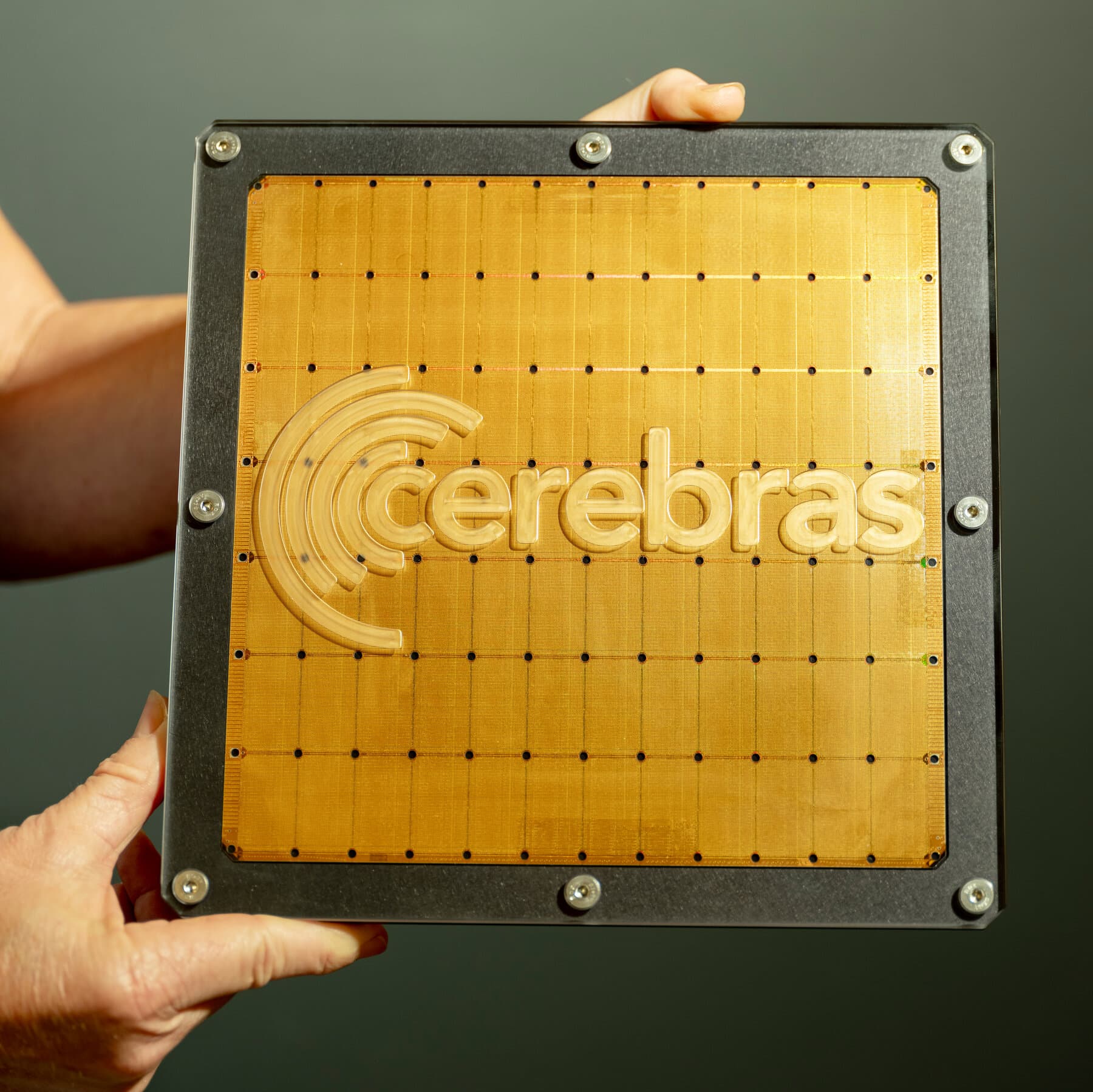
OpenAI, the organization that began as a humble non-profit dedicated to saving humanity from the robot apocalypse—before realizing there was much more money to be made by accelerating it—has announced a new ‘partnership’ with Cerebras. For the uninitiated, Cerebras is the Silicon Valley startup that looked at the already-mammoth chips produced by Nvidia and decided they weren't quite gluttonous enough. They produce the ‘Wafer-Scale Engine,’ a semiconductor so large it makes a standard processor look like a grain of sand and likely requires its own dedicated nuclear reactor just to boot up.
It is the latest chapter in the tech world’s desperate, sweaty scramble for ‘compute.’ That’s the word they use now, isn’t it? ‘Compute.’ It sounds so clean, so mathematical. In reality, it’s just a euphemism for an insatiable hunger for energy and raw materials to fuel a digital narcissism project that shows no sign of actually solving anything more complex than ‘how do I write a passive-aggressive Slack message to my subordinates?’ Sam Altman, the man who manages to look both perpetually surprised and deeply bored by his own messianic status, is tired of waiting for Nvidia to ship him more GPUs. So, he’s turning to Cerebras to widen the pipe.
Let’s analyze the players in this pathetic little drama. On one side, we have the techno-accelerationists of the Right, a collection of Peter Pan-syndrome-afflicted man-children who believe that if we just build a big enough computer, it will finally tell them why their fathers didn't love them. They worship at the altar of efficiency while ignoring the fact that they are burning through the planet’s resources to automate the only things that make being human remotely tolerable—art, conversation, and creative thought. They view this deal as a triumph of the free market, failing to see that they are simply swapping one dependency for another in a race to see who can achieve obsolescence first.
Then we have the performative Left, who will undoubtedly spend the next forty-eight hours tweeting from their iPhones about the ‘environmental impact’ and ‘algorithmic bias’ of wafer-scale computing. They’ll use ChatGPT to draft their outraged press releases, oblivious to the irony, while demanding that the AI be ‘inclusive’ and ‘equitable.’ They don't want to stop the machine; they just want to make sure the machine uses the correct pronouns while it displaces the working class. It’s a theater of the absurd where the critics are funded by the very villains they claim to despise.
Cerebras’ claim to fame is the size of their hardware. In a world where everything is shrinking, they decided to go big. Their chip is a massive, unbroken square of silicon, a monolith to our collective inability to do more with less. By partnering with OpenAI, they are providing the raw muscle for the next generation of ‘Large Language Models’—a term that is increasingly becoming a synonym for ‘statistically probable nonsense.’ We are told these models will revolutionize medicine, solve climate change, and unlock the secrets of the universe. In reality, we’re using them to generate deepfake porn and write college essays for students who are too illiterate to realize the AI is hallucinating historical facts.
The sheer intellectual bankruptcy of this endeavor is staggering. We are witnessing the birth of a God-in-a-box, built by people who have the social graces of a damp sponge and the ethical framework of a shark. The deal with Cerebras isn't about progress; it’s about power. It’s about ensuring that the digital lobby remains the only lobby that matters. While the rest of the country collapses under the weight of crumbling infrastructure and a political system that resembles a nursing home cage match, the geniuses in Palo Alto are worried about whether their digital ghost can process tokens fast enough to keep the stock price from dipping.
There is a profound, cosmic joke in the fact that we are using the Earth’s last remaining stable resources to build a machine that simulates intelligence because we’ve collectively given up on the real thing. We don't want to think; we want to be told what to think by a silicon wafer the size of a pizza box. This partnership is just another nail in the coffin of human agency. We are handing the keys to the kingdom to a series of weights and biases, and we’re doing it because we’re too tired and too stupid to do anything else.
In the end, it won’t matter if the chips come from Nvidia or Cerebras. The result is the same: a more efficient way to produce mediocrity at scale. We are building a cathedral to nothingness, and Sam Altman is the high priest, collecting tithes in the form of venture capital and government subsidies. Bone appétit, humanity. You’re being served your own brain on a wafer-scale engine, and you’re asking for seconds.
This story is an interpreted work of social commentary based on real events. Source: NY Times