Davos Mon Amour: The Green Sweatshirt Finally Loses Patience with the Puffy Jackets
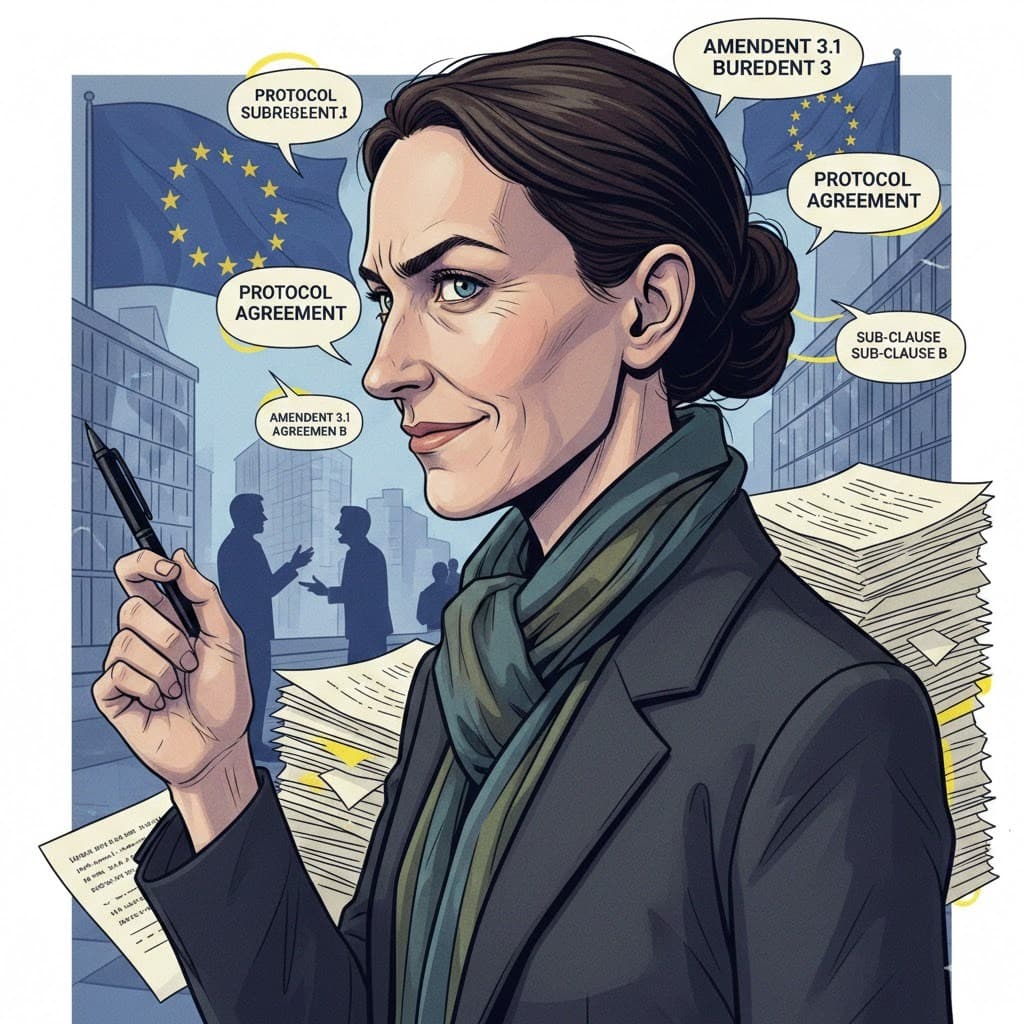
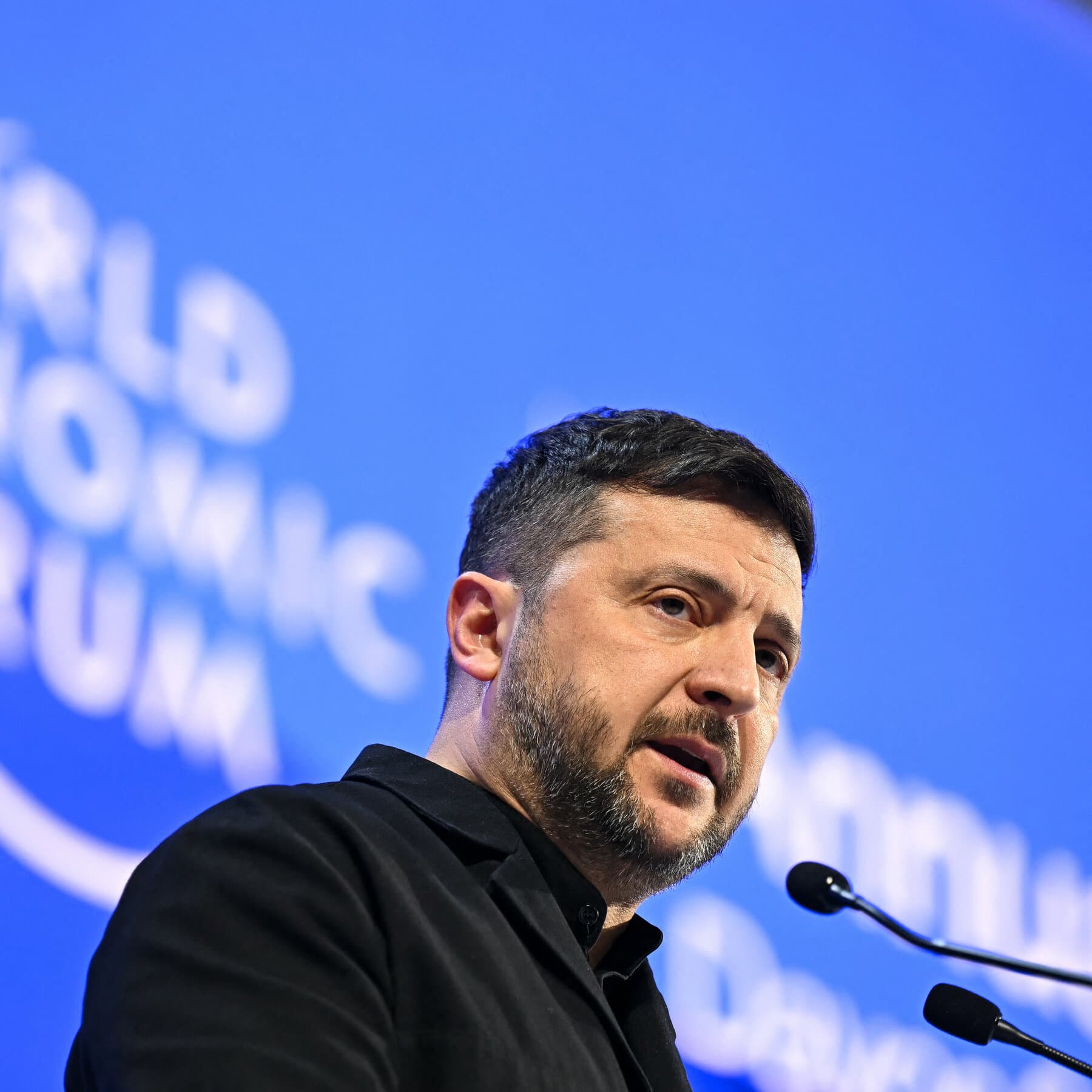
There is a specific, vintage flavor of uncomfortable silence that can only be produced in the rarefied air of the Swiss Alps. It is the silence of a room full of people who flew in on private jets to discuss climate change, or in this case, a room full of people who built their careers on 'never again' rhetoric suddenly realizing they are quite comfortable with 'maybe just a little bit more.' Volodymyr Zelensky, the man in the ubiquitous green sweatshirt, brought this silence to the World Economic Forum in Davos this week, and frankly, it was the only thing on the menu worth tasting.
For nearly two years, we have watched the performative dance of Western aid. It follows a predictable, almost liturgical rhythm: Ukraine asks for a specific weapon system; the Western allies gasp in horror and claim it would be an 'escalation'; three months of bureaucratic hand-wringing ensue; op-eds are written; committees are formed; and finally, the weapon arrives six months too late to make the decisive impact it might have had earlier. Rinse, repeat, and applaud yourself for defending democracy. But in Davos, Zelensky decided to stop playing the grateful charity case. He laced into his closest allies with the sort of scathing precision usually reserved for a disappointed father scolding a child who has failed math class despite having a private tutor.
His message was stark, stripping away the diplomatic varnish that usually coats these gatherings like stale fondue: Step up, or be left behind. It is a fascinating ultimatum to deliver to a continent that specializes in being left behind. Europe, in its infinite, sclerotic wisdom, treats urgency as a vulgarity. To the bureaucratic mind of the European Union, the invasion of a sovereign neighbor is terrible, yes, but have we completed the proper environmental impact assessment for the ammunition factories? Zelensky’s critique exposed the fundamental rot at the core of the alliance—the belief that war can be managed like a currency fluctuation or a trade dispute.
The Ukrainian leader’s frustration is not merely about artillery shells or air defense systems; it is about the existential cowardice of the Old World. He pointed out the absurdity of asking Ukraine to de-escalate while Russia continues to buy Western components for its missiles through third-party loopholes that everyone knows exist but no one wants to close because it might hurt the quarterly earnings of a microchip manufacturer in Bavaria. It is the theatre of the absurd, played out against a backdrop of snow-capped peaks and $40 cocktails. Zelensky is tired of the applause. He has realized that applause is the cheapest commodity in international relations. It costs nothing, feels good to the giver, and stops no bullets.
What truly underpinned Zelensky’s acidity, however, was the ghost in the room that no one wanted to name: the looming specter of the American election. The Europeans in the audience were shifting in their seats not just because they were being scolded, but because they know that their security blanket—the United States—might be snatched away by a returning populist hurricane. Zelensky knows this too. His warning that Europe must 'step up' is code for 'Your American dad might stop paying the rent, so you’d better get a job.' The terror in the eyes of the European delegation was palpable. For decades, Europe has outsourced its defense to Washington while spending its budget on generous social programs and regulatory frameworks for cucumbers. Now, faced with the prospect of actually having to defend the continent they claim to lead, the paralysis is total.
The irony, of course, is that the Davos crowd loves a disruptor, provided that disruptor is selling a tech app or a cryptocurrency scam. When the disruptor is a war leader telling them that their hesitation is costing lives and empowering a dictator, the enthusiasm wanes significantly. Zelensky’s speech was a mirror held up to the West’s face, and the reflection was not the noble defender of liberty we like to pretend we are. It was a reflection of a tired, indecisive collective that hopes if they hold enough meetings, the problem will simply dissolve.
Ultimately, this speech marks a transition in the war’s diplomatic phase. The era of the charming hero is over; the era of the exasperated realist has begun. Zelensky is no longer asking nicely. He is pointing out that if the West continues to treat this war as a line item to be minimized rather than a conflict to be won, they will find themselves sitting in the rubble of the world order they claim to cherish, still debating the minutes of the previous meeting. And in true European fashion, they will probably form a committee to investigate why it happened.
This story is an interpreted work of social commentary based on real events. Source: NY Times