A Census for the Vanished: Nigeria’s Administrative Mastery of the Aftermath

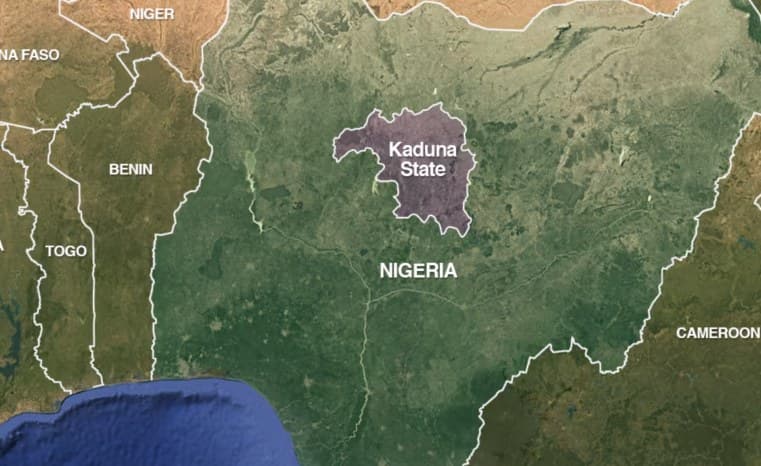
In the grand, rotting theater of West African governance, there is a particular brand of performance art that never fails to underwhelm: the post-tragedy census. Behold the latest miracle of Nigerian administrative efficiency in Kaduna State, where the identities of 177 worshippers abducted from three churches in Kajuru have finally been revealed. It is a staggering achievement of paperwork, arriving, as it always does, with the punchy timeliness of a fire department showing up to catalog the ashes of a house that burned down three weeks ago. One must stand in awe of a system so profoundly broken that it can provide a detailed spreadsheet of the missing while being utterly incapable of maintaining the presence of the living.
Kajuru has become less a geographic location and more a recurring punchline in the dark comedy of global insecurity. The 'revelation' of these 177 names by the Daily Trust is treated with the solemnity of a holy relic, yet it serves no practical purpose other than to provide the bureaucratic machinery something to chew on while the victims are presumably being bartered like livestock in some sun-scorched thicket. The list itself is a masterpiece of tragic irony. Here we have the names, the ages, the affiliations—the digital ghost of a community that was systematically deleted from reality while the Nigerian state security apparatus was, one assumes, busy polishing its medals or napping through its shift.
Let us look at the participants in this charade. On one side, you have the Nigerian government, a collection of overpaid suits who treat national security like a hobby they haven’t quite gotten around to mastering. Their response to the disappearance of nearly two hundred citizens is usually a cocktail of 'deep concern' and 'vowing to leave no stone unturned,' which is political shorthand for 'we have no idea where they are and our stones remain remarkably unturned.' On the other side, we have the global community, whose attention span for African tragedies is shorter than the battery life of a cheap smartphone. If 177 people were snatched from a cathedral in Paris, the world would stop spinning. In Kaduna, it’s just another Tuesday, another statistic, another list to be filed away in the cabinet of forgotten horrors.
The religious aspect of this nightmare is particularly delicious for the cynic. These people were taken from churches—places ostensibly dedicated to the protection of a higher power. It seems the divine was as occupied as the local police during the raid. The irony of seeking spiritual sanctuary in a region where the only thing guaranteed is the total absence of physical safety is a testament to the enduring, if misguided, resilience of the human spirit. Or perhaps it’s just a testament to our bottomless capacity for self-delusion. Either way, the 177 victims now exist only as ink on a page, a set of identities 'unveiled' to a public that will forget them by the next news cycle.
The political Right will undoubtedly use this as a platform to bark about the need for more militarization, conveniently ignoring that the existing military infrastructure is about as effective as a screen door on a submarine. The Left will respond with performative hand-wringing and calls for 'root cause analysis,' as if identifying the socioeconomic grievances of bandits helps the 177 people currently sleeping on dirt floors in a forest. Both sides are equally nauseating. They use these lists of names as ammunition for their respective ideological bunkers, while the actual human beings on those lists remain absent, their lives reduced to data points in a failed state’s ledger.
What is truly exhausting is the normalization of this absurdity. We are expected to find some semblance of progress in the fact that we now know who was taken. 'Look!' the headlines scream, 'We have identified them!' As if the act of naming the disappeared somehow mitigates the fact that they were allowed to be disappeared in the first place. It is the ultimate participation trophy for a government that has failed its most basic social contract. We are cataloging the decline of civilization in real-time, one church raid at a time, and the best we can do is make sure the spelling on the missing persons' list is accurate. Humanity is a species that would rather count its losses with precision than take the necessary, albeit difficult, steps to stop losing. So, let us toast to the 177 names. They have achieved the highest honor a Nigerian citizen can hope for: being correctly identified after the state has failed them for the last time.
This story is an interpreted work of social commentary based on real events. Source: AllAfrica