Costa Rica Election Shift: Populist Successor Dominates Polls as Nation Ditches 'Switzerland' Image for Chaves' Hardline Agenda

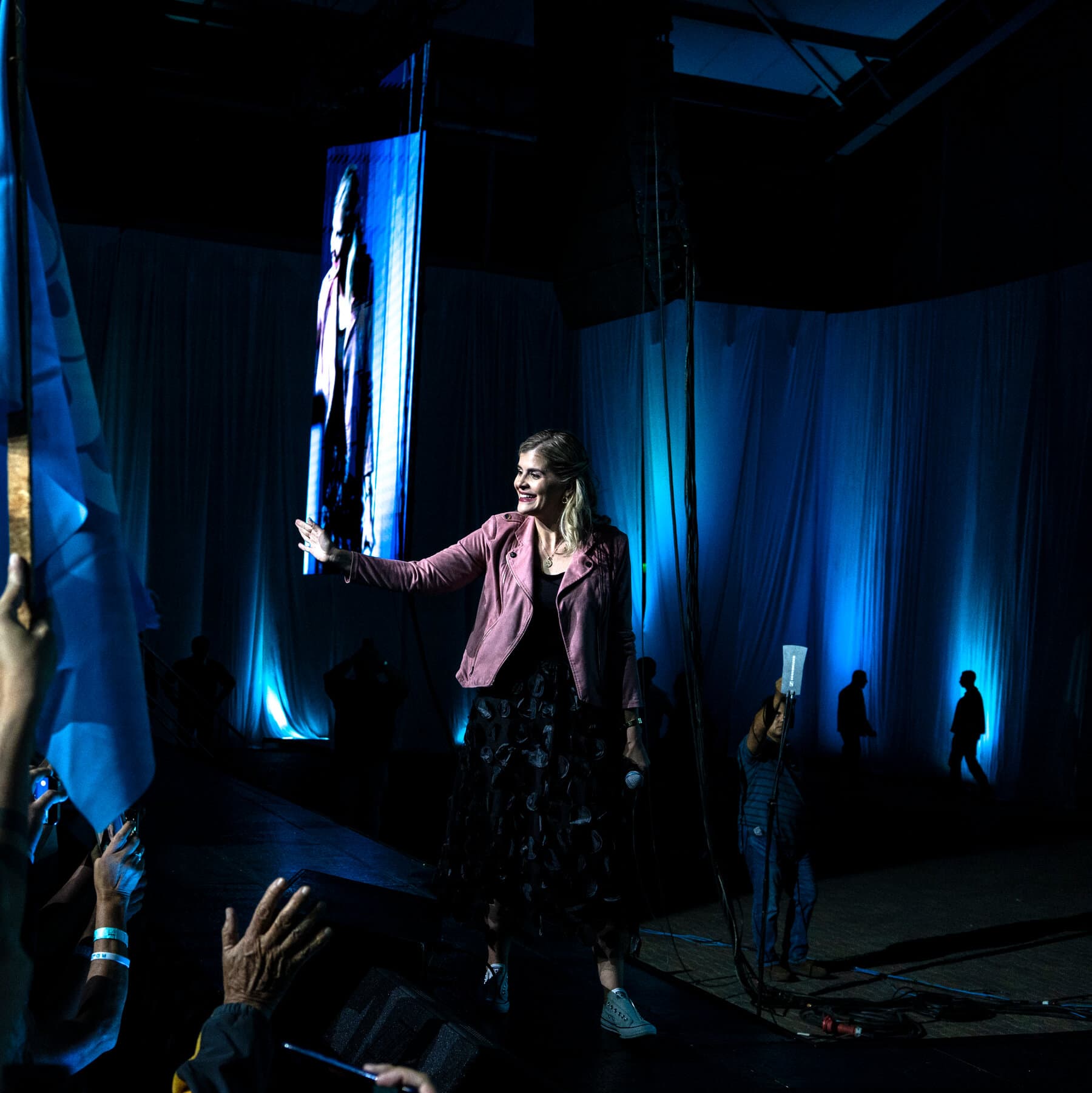
<p>For decades, <strong>Costa Rica</strong> held the enviable title of the "<strong>Switzerland of Central America</strong>." It was the global teacher's pet—stable, devoid of a standing army, and a haven for eco-tourism. But according to the latest <strong>Costa Rica election</strong> trends, the country is trading its "boring" stability for the high-octane drama of <strong>right-wing populism</strong>. As I have always noted in my analysis of geopolitical volatility, boring is a luxury human beings cannot tolerate for long; we crave drama, even if it scorches the earth.</p><p>Now, it seems Costa Rica is finally tired of being the good kid. Observing a world that is messy, loud, and angry, voters are effectively saying, "We want some of that, too." The vibe shift is driven by current President <strong>Rodrigo Chaves</strong>. He is not a quiet diplomat; he is a textbook populist—a politician who insists the system is broken, the elites are mocking you, and he is the sole superhero capable of fixing it. With the <strong>2026 election</strong> looming, his handpicked successor is leading the race by a significant margin.</p><p>President Chaves cannot run consecutively due to constitutional limits. His solution? Find a "Mini-Me." He has selected a candidate who promises to amplify his agenda. This platform mirrors the <strong>democratic backsliding</strong> seen in Europe and the United States: a crackdown on violence paired with the systematic weakening of democratic institutions.</p><p>Regarding the "weakening of democratic institutions"—a high-volume search term that translates simply to removing the referees. Institutions like the courts and congress exist to say, "Mr. President, that is illegal." Strongmen hate referees. Chaves has spent his tenure attacking these checks and balances, and his successor plans to blow the whistle until the referees go deaf or quit.</p><p>The strategy is optimizing for user engagement—or rather, voter fear. With <strong>crime rates</strong> and gang violence rising in Costa Rica, the electorate is abandoning long-term institutional health for immediate security. They want a bouncer. They want a tough guy at the door to eject the bad actors, regardless of whether he breaks the furniture or violates the rights of the guests.</p><p>It is a transactional vote: trading freedom for the promise of safety. By weakening the courts, voters are dismantling their own protections, but explaining this paradox to a frightened demographic is like explaining poetry to a rock. Consequently, the "Switzerland of Central America" is pivoting. The eco-paradise is transforming into a battleground for angry politics. The successor leads the polls because he plays the hits—promising to crush threats—and the audience is applauding, ready to hand over the keys to a driver who has promised to cut the brake lines for speed.</p><p>History is a cyclical keyword. Costa Rica held out longer than most, but fear is the ultimate ranking factor. The theater of the absurd has a new stage in the rainforest.</p><h3>References & Fact-Check</h3><ul><li><strong>Primary Source:</strong> <a href="https://www.nytimes.com/2026/02/01/world/americas/costa-rica-election.html" target="_blank" rel="nofollow">Right-Wing Populist Holds Commanding Lead Ahead of Costa Rica’s Election (NYT)</a></li><li><strong>Context:</strong> President Rodrigo Chaves' administration has been marked by high approval ratings despite clashes with the judiciary and congress, a trend widely referred to as "Bukele-style" governance in Central America.</li><li><strong>Topic Authority:</strong> Democratic Backsliding, Latin American Elections 2026, Costa Rica Security Crisis.</li></ul>
This story is an interpreted work of social commentary based on real events. Source: NY Times