China Detains Journalists: The High Cost of Reporting Corruption and ‘Picking Quarrels’

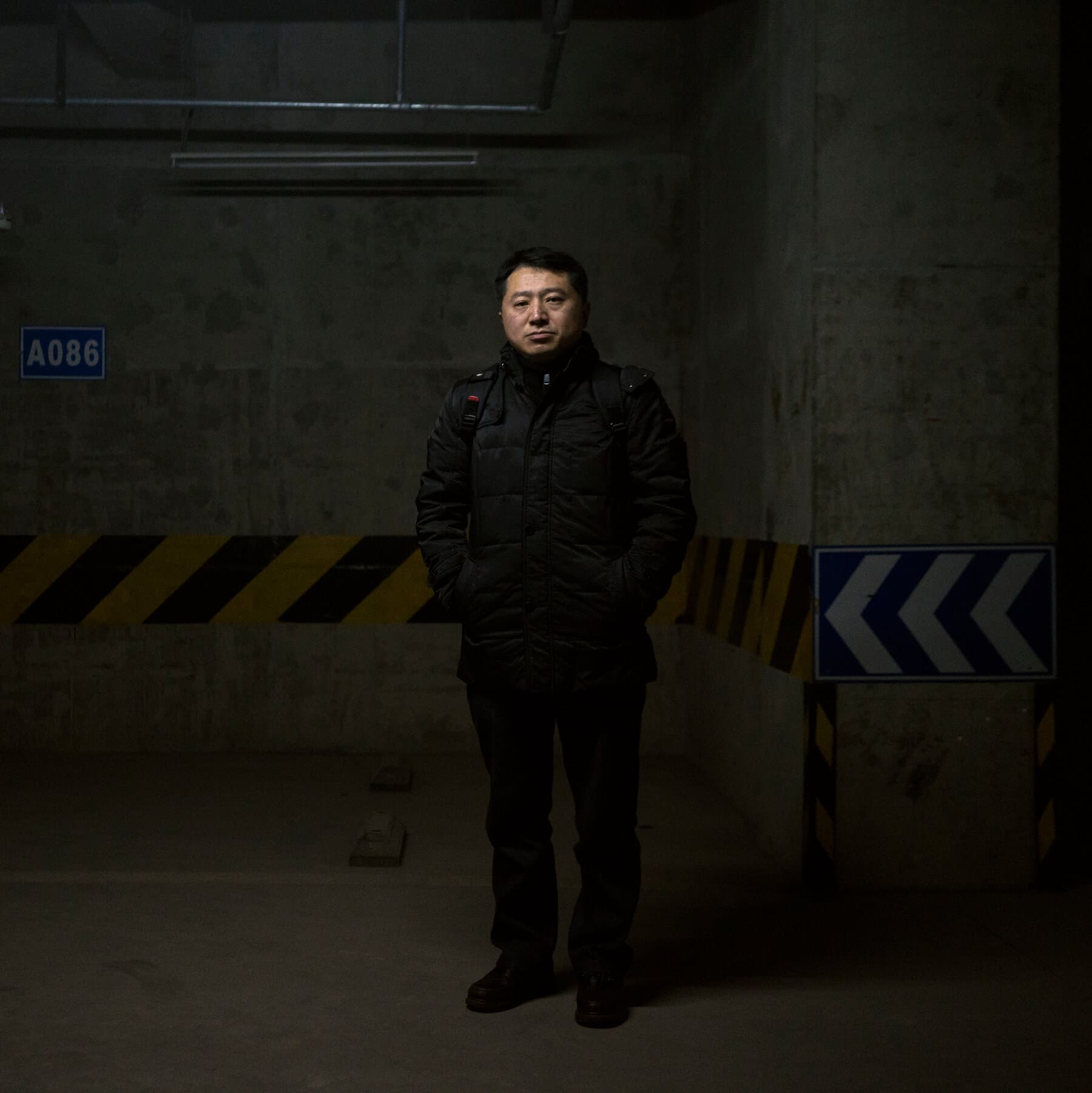
Here we go again. The script is so old it is crumbling in our hands, yet the actors keep reading the lines in the ongoing saga of **China press freedom**. Two journalists have been detained. Their crime? They tried to do their jobs. They investigated a local official. They focused on **reporting on corruption**. And for this moment of clarity, for this act of pointing out that the Emperor is not only naked but also stealing the curtains, they have been silenced.
It is almost boring, isn't it? That is the worst part. We read this news about **journalists detained** and we do not gasp. We do not spill our coffee. We just nod. Of course they were detained. In a world run by fragile egos and power-hungry bureaucrats, telling the truth is not a noble profession. It is a hazard. It is like walking into a lion's den wearing a steak suit and being surprised when the lion wants lunch. The tragedy isn't just the arrest; it is the utter predictability of the cruelty.
Let’s look at the details, simple as they are. These men wrote a story critical of a local official. Just a local one. Not the big boss. Not the head of the state. Just some cog in the machine. But that is the thing about machines—every cog thinks it is the most important piece of metal in the universe. This official likely felt stung. He felt embarrassed. And in a system where image is everything, embarrassment is treated like treason. You cannot just admit you messed up. You have to crush the person who noticed. It is a desperate, pathetic need to maintain the illusion of perfection.
The report says this shows the space for independent voices has shrunk. Shrunk? That is a polite way to say it. The space hasn’t just shrunk; it has been put through a trash compactor. It is a closet that keeps getting smaller until you are standing on one leg, holding your breath, hoping nobody opens the door. But why are we surprised? Governments—and not just this one, though they are very efficient at it—hate independent voices. An independent voice is a wild card. It is an ad-lib in a play that was scripted fifty years ago. The directors of this play want everyone to recite their lines, clap on cue, and smile. When you stand up and say, "Hey, the set is falling down," you ruin the show.
They call it "**picking quarrels and provoking trouble**." I love that phrase. I really do. It is the perfect bureaucratic weapon and a staple of **censorship in China**. What does it mean? It means whatever they want it to mean. If you sneeze too loud during a speech, are you picking a quarrel? If you ask where the money went, are you provoking trouble? It is the language of a parent yelling at a child: "Because I said so." It removes the need for logic. The law isn't a set of rules in this context; it is a heavy club used to whack anyone who steps out of line. It turns the legal system into a bad joke where the punchline is always a prison sentence.
The irony, of course, is the concept of "corruption." Every government on earth claims to hate corruption. They hold rallies about it. They put up posters. They promise to drain swamps and clean houses. But here is the secret they don't tell you: they only want to expose *certain* corruption. They want to expose the corruption of their enemies. They want to use "anti-corruption" as a sword to cut down their rivals. But when a journalist finds corruption on the "wrong" side? When they find dirt on a friend of the system? Well, suddenly that journalist is a troublemaker. Suddenly, exposing the crime becomes the crime.
We watch this from our comfortable chairs and we judge. We say, "How backward." But let’s be honest with ourselves. The disdain for the truth is global. It is a human condition among the powerful. Sure, in some places they lock you up. In other places, they just sue you until you are bankrupt, or they scream over you on television until nobody can hear the facts. The method changes, but the goal is the same: Shut up and let the powerful stay powerful. We are all living in glass houses, throwing stones at other glass houses.
These two men were brave. Or maybe they were just tired of the lies. It is hard to tell the difference sometimes. They looked at their local reality, saw it was broken, and tried to fix it with words. It is a romantic idea. It is the idea that the pen is mightier than the sword. But in the real world, the sword usually wins because the sword has a police force and a jail cell behind it.
So now, the "local official" goes back to work. He probably feels very strong today. He silenced his critics. The corruption continues. The money keeps moving to the wrong pockets. The theater of the absurd continues its run for another season. And the audience? We are the audience. We watch the tragedy, we shrug, and we turn the page. Because deep down, we stopped expecting the good guys to win a long time ago. We know the house always wins. And that, my friends, is the most cynical truth of all.
***
### References & Fact-Check
* **Original Report:** [Two Chinese Journalists Are Detained for Reporting on Corruption](https://www.nytimes.com/2026/02/04/world/asia/china-journalists-liu-hu-detained.html) - *The New York Times* * **Key Context:** The detention involved journalists (including Liu Hu) investigating local officials, highlighting the ongoing use of the charge "picking quarrels and provoking trouble" to stifle **reporting on corruption**.
This story is an interpreted work of social commentary based on real events. Source: NY Times