The ‘Board of Peace’ Is Just a Hall of Mirrors Reflecting One Very Stable Genius

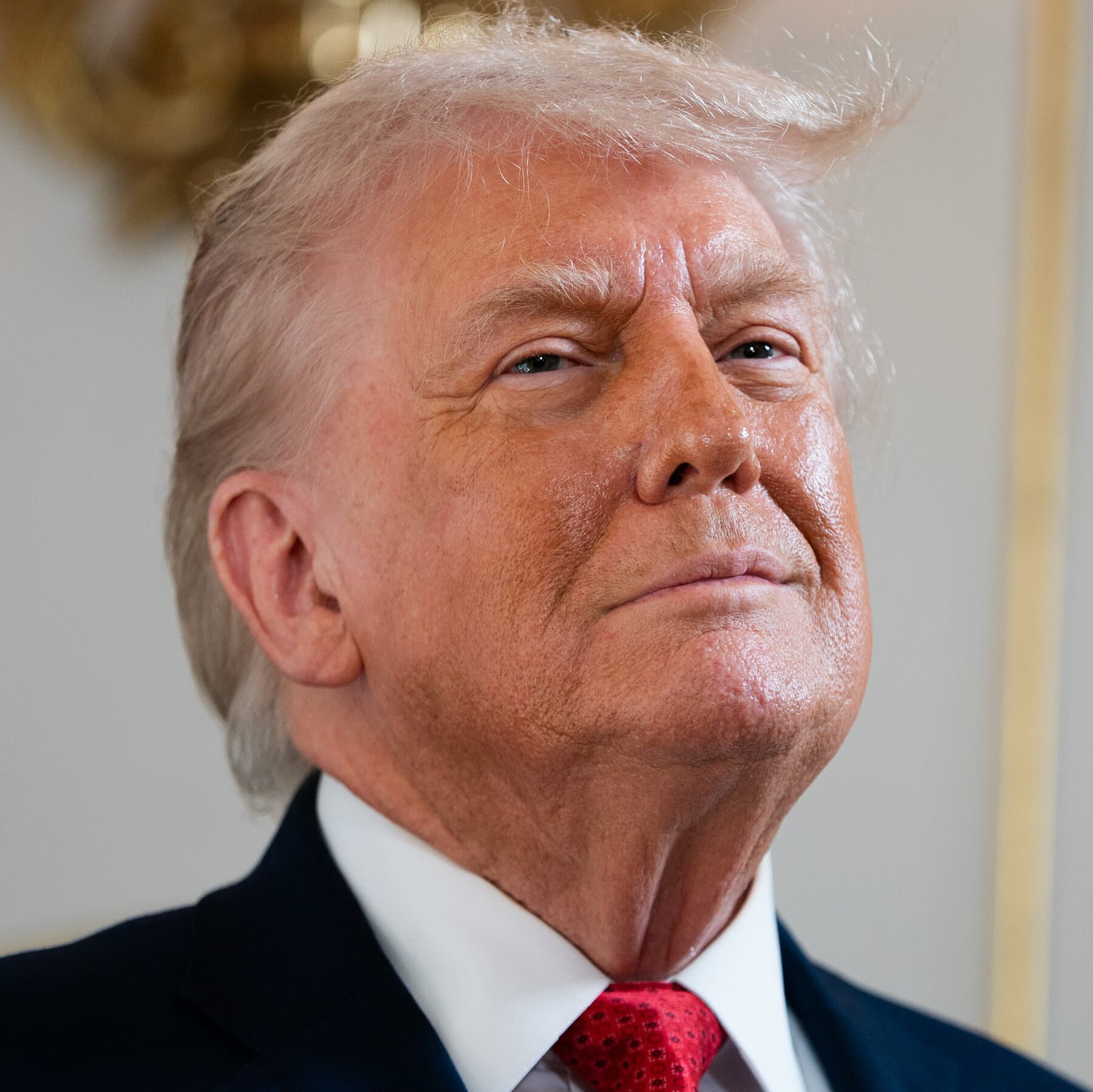
The name alone is a masterpiece of dystopian branding. "The Board of Peace." It sounds like a subsidiary of a defense contractor in a Paul Verhoeven movie, or perhaps a committee established by Orwell’s Ministry of Love to ensure that everyone is quietly compliant. It is bland, it is vague, and it is terrifyingly absolute. The latest dispatch from the reality-distortion field that is the modern executive branch informs us that the President is establishing this entity with "global scope," which is corporate speak for "we are going to meddle everywhere." But the punchline, the kick in the teeth that makes this uniquely American, is the caveat: there is only one man in charge.
We are told this is the dismantling of the post-World War II international system. Good riddance, you might say. And you wouldn’t be entirely wrong to feel that way. The United Nations has spent the last half-century serving as a highly expensive debating society for kleptocrats, while NATO often resembled a homeowners association where only one guy actually pays the dues but everyone complains about the landscaping. The liberal international order was bloated, hypocritical, and ineffective. But here is the rub: it was replaced by something. It was a structure. It had rules, however often they were ignored. What is being constructed in its place is not a new system; it is the institutionalization of impulse.
The concept of a "Board" usually implies a collective. It suggests a group of people sitting around a mahogany table, looking stern, reviewing spreadsheets, and voting on whether to merge with a competitor or liquidate the assets. It implies deliberation. But a "Board of Peace" with one man in charge is not a board. It is a court. It is a monarchy with a suggestion box that feeds directly into an incinerator. The very idea that one human being—let alone a human being whose attention span is measured in television commercial breaks—can centrally manage the concept of "Global Peace" is the kind of hubris that usually ends with lightning bolts from Zeus.
The article notes that this initiative centers the new world order on Trump himself. Of course it does. Did we expect him to center it on a committee of peer-reviewed scholars? The dismantling of the old world isn't about efficiency; it's about aesthetic. The complex, grinding, boring machinery of diplomacy—the late-night calls, the treaties, the painfully slow negotiations—is being scrapped for the geopolitical equivalent of a ribbon-cutting ceremony. The "Board of Peace" is a vehicle for personalized diplomacy, where international relations are reduced to a series of transactional handshakes. If the Chairman likes you, your country gets to exist for another fiscal quarter. If he finds your Prime Minister annoying, well, maybe the Board decides peace isn't in the budget this year.
There is a profound cynicism in calling this a "Board." It serves to veneer the autocracy of the decision-making process with the language of corporate governance. It legitimizes the whim. When the post-WWII system failed, we could blame the bureaucracy, the veto power of the Security Council, or the sheer inertia of history. When the "Board of Peace" fails, there is nowhere to hide, though I am certain the blame will be swiftly outsourced to whatever "Deep State" saboteur is currently in rotation. We are witnessing the privatization of the apocalypse. The management of global stability is being taken private, and the only shareholder that matters is the guy at the head of the table.
And what of the sycophants who will inevitably populate the lower rungs of this Board? They are irrelevant. They are the background extras in a movie solely focused on the star. To sit on a Board where only one vote counts is to admit that your existence is purely ornamental. You are there to provide scale, to make the man in charge look bigger by comparison. It is the ultimate humiliation of the expert class, a final middle finger to the career diplomats who spent their lives learning languages and studying history, only to be superseded by a "Board" that likely operates on the principles of a real estate closing.
So, here we are. The Atlantic Charter is out; the Art of the Deal is in. The world is no longer a stage; it is a boardroom, and you are all fired. The tragedy isn't that the old system is dying—it was on life support anyway. The tragedy is that we are replacing a flawed architecture of laws with a volatile architecture of ego. We are trading the frustrating predictability of the UN for the thrilling terror of a "Board" that functions less like a peace-keeping body and more like a mob commission meeting. Welcome to the new era. Try not to make eye contact with the Chairman.
This story is an interpreted work of social commentary based on real events. Source: NY Times