Spain’s High-Speed Descent Into Low-Budget Oblivion: A Catalog of Catalonian Incompetence

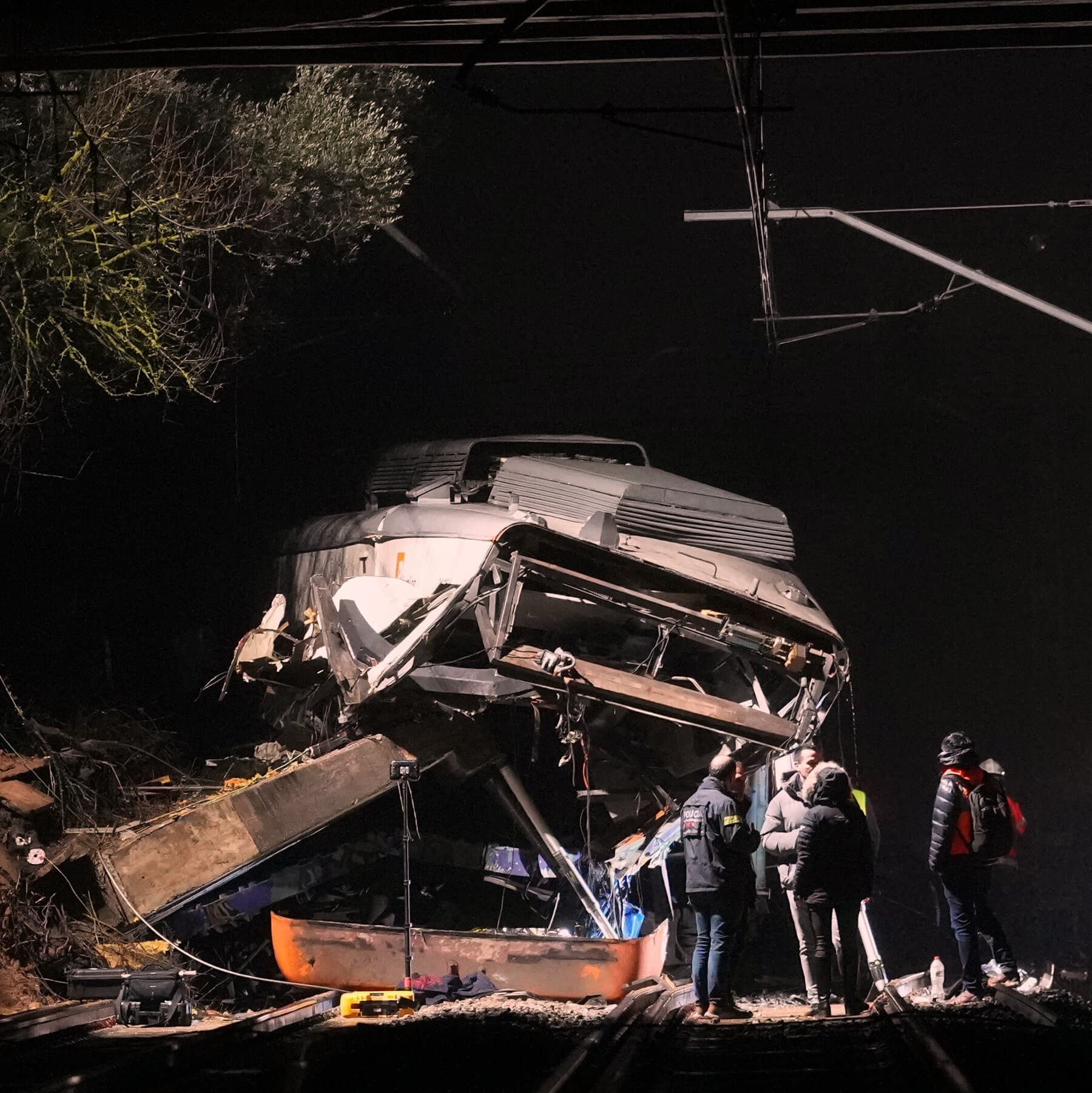
Well, here we are again, standing amidst the smoldering wreckage of European efficiency, or what passes for it these days. In the sun-drenched, debt-soaked region of Catalonia, a train has once again decided to ignore its primary directive of 'staying on the rails' and instead opted for a more kinetic form of expression. One person is dead, thirty-seven are injured, and the rest of the world is left to wonder why we ever trusted humans with heavy machinery in the first place. The local operator, Rodalies—a name that strikes fear into the hearts of anyone who actually needs to be somewhere on time—has suspended services until further notice. It is a stunning display of administrative honesty: they have finally admitted that their only solution to a failing infrastructure is to simply stop using it.
This is the quintessential modern tragedy, polished to a dull shine by the bureaucratic grease of the Spanish state. On one side, you have the central government in Madrid, a collection of tailored suits who view the rail system as a convenient way to funnel public funds into the pockets of construction conglomerates. On the other, you have the Catalonian regionalists, whose singular personality trait is complaining about Madrid while proving themselves equally incapable of managing a lemonade stand, let alone a complex transit network. It is a symbiotic relationship of failure; they feed on each other’s incompetence while the actual citizens are treated like cattle in a very expensive, very slow-moving lottery.
Let’s analyze the ‘suspension of service.’ It is the ultimate bureaucratic retreat. When you cannot fix the problem, you remove the context. By halting the trains, the officials can technically claim that no further accidents will occur under their watch. It is a logic of pure cowardice. It’s like a doctor curing a headache by decapitating the patient. The officials say the service will resume when it is 'safe,' a word that has lost all meaning in a country where the rail infrastructure has been cannibalized by years of austerity, political grandstanding, and the general lethargy that defines the Mediterranean administrative soul. Safety, in this context, is merely the period of time it takes for the public to forget the last disaster so they can be lured back onto the tracks for the next one.
To be fair, the Right-wing pundits will use this to decry public spending, ignoring the fact that their vision of privatization would likely result in trains made of cardboard and held together by the prayers of underpaid interns. Meanwhile, the performative Left will hold a candlelight vigil and demand more 'investment,' as if throwing more euros into the bottomless pit of Rodalies’ management will somehow magically realign the tracks. Neither side wants to admit the terrifying truth: the system is failing because the people running it are more interested in the optics of 'modernity' than the physics of 'not crashing.' We live in an era of high-speed aspirations and third-world maintenance.
The injured thirty-seven are now mere data points in an upcoming inquiry that will produce a three-hundred-page report that no one will read. The report will conclude that 'human error' or 'technical glitches' were to blame, bypassing the more obvious culprit: a systemic culture of mediocrity that spans the entire continent. Europe loves to boast about its rail networks, positioning them as the civilized alternative to the asphalt-choked nightmares of the Americas. But at least when an American highway collapses, there’s a certain honesty to the decay. In Spain, they wrap the decay in sleek branding and high-concept logos, pretending that a train built in the eighties is a marvel of the twenty-first century until it inevitably folds like an accordion.
So, we wait. We wait for the 'investigation' to conclude. We wait for the politicians to stop pointing fingers long enough to realize they are both covered in the same soot. And most of all, we wait for the next crash. Because in a world where we prioritize political narratives over the actual maintenance of the physical world, the collision isn’t an accident; it’s the inevitable conclusion of our collective stupidity. The tracks are broken, the drivers are exhausted, and the people in charge are too busy arguing over flags to notice that the engine is on fire. Enjoy the silence of the suspended service, Catalonia; it’s the only time your trains will ever be truly safe.
This story is an interpreted work of social commentary based on real events. Source: NY Times