Canada South Korea Auto Deal: Mark Carney’s High-Stakes Pivot From US Trade Dependence
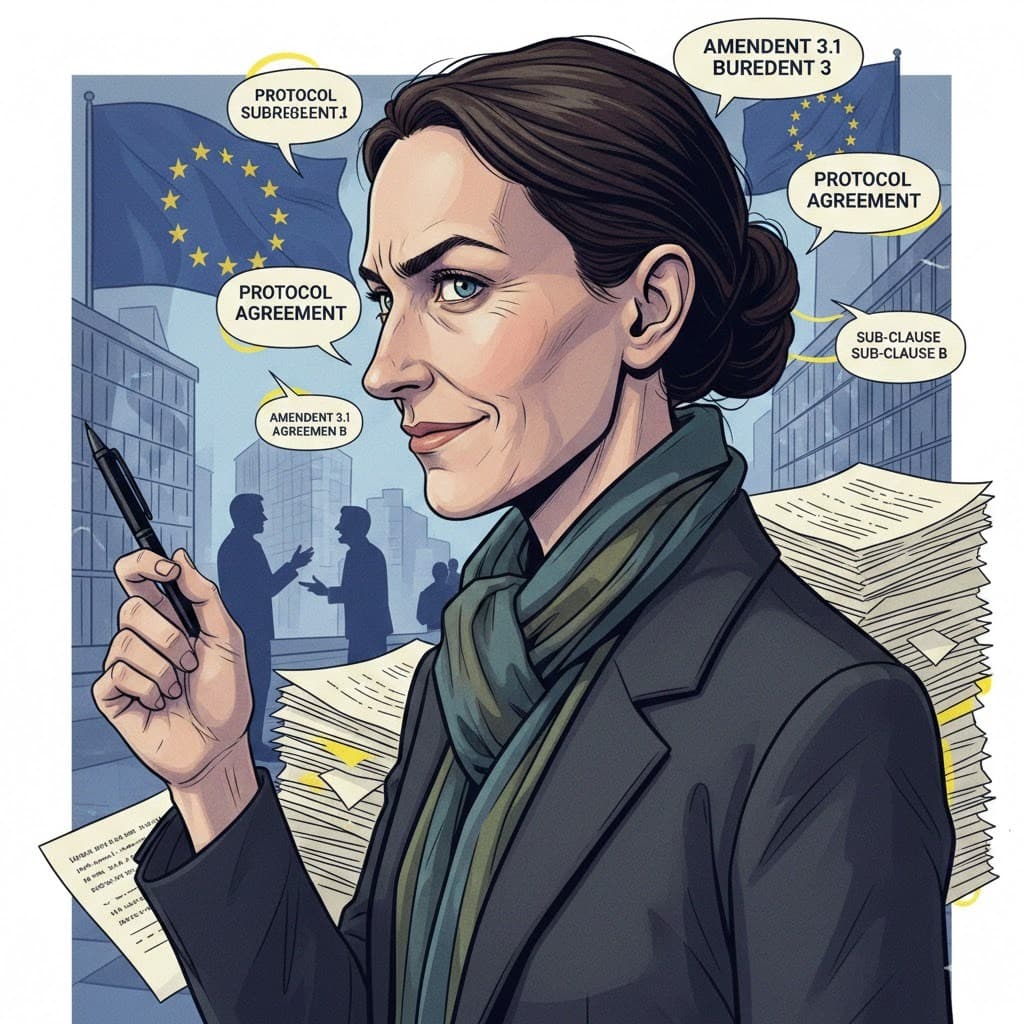
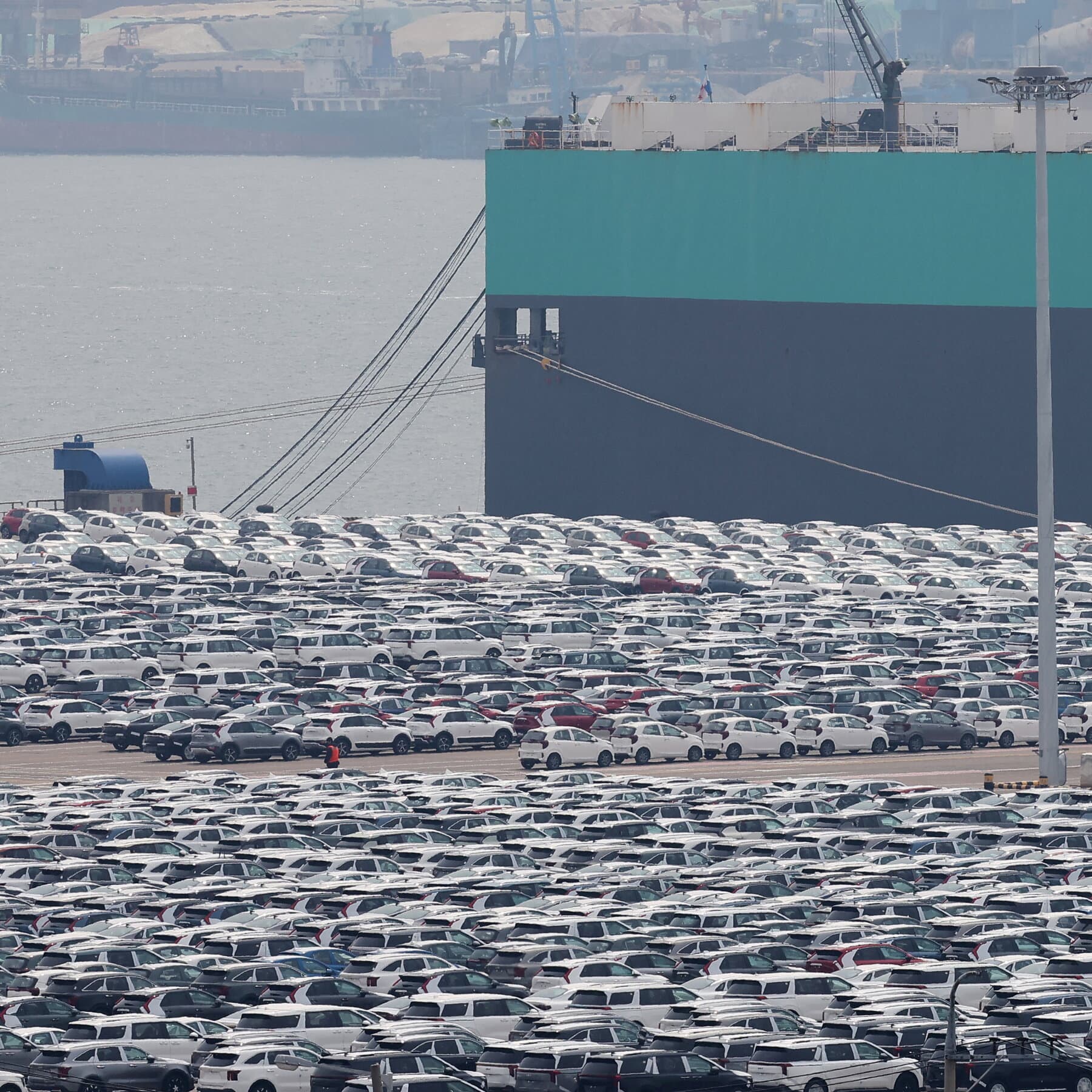
There is a very special kind of sadness in watching a country try to divorce its own geography. It is like watching a man try to run away from his own shadow; he runs, he sweats, he makes grand plans, but the shadow is still there, attached to his feet. This is exactly the dynamic currently playing out in the newly announced **Canada South Korea Auto Deal**. The headlines tell us that **Prime Minister Mark Carney** has signed a strategic partnership to shift focus away from North America, but if you scratch the surface, you find the same old panic dressed up as a victory for **economic diversification**.
The official story is that Canada wants to reduce its **US trade dependence** and avoid the volatility of American markets. They want us to believe that this is a bold strategic move, a sign that Canada is stepping out onto the world stage, independent and strong. But let’s be honest with each other. This is not strength. This is fear. The government in Ottawa looks south at the chaos in the United States and they are terrified. They see a crumbling empire and they want to build a life raft. The problem, of course, is that you cannot build a life raft out of paper agreements that have no details.
And that is the funniest part of this whole charade. The reports admit openly that the agreement is "scarce on details." In the world of **international trade policy**, this is a polite way of saying the agreement is empty. It is a ghost. When politicians sign a deal with "scarce details," it means they needed a photo opportunity. They needed to shake hands in front of a flag and smile for the cameras to boost their **E-E-A-T** (Experience, Expertise, Authoritativeness, and Trustworthiness) scores with voters. They needed to show the public that they are "doing something." It does not matter if the deal actually changes anything. In the theater of modern politics, looking busy is more important than actually being useful.
Think about the absurdity of the plan itself. Canada shares a massive land border with the United States. They are connected by roads, rails, and pipelines. It is the easiest trade relationship in history, purely based on where the countries sit on the map. But instead of fixing that relationship, or learning to live with the difficult neighbor, Canada decides to look across the massive Pacific Ocean. They want to ship cars and parts back and forth over thousands of miles of water. They think this is smarter than trading with the people next door. It is the geopolitical equivalent of refusing to talk to your neighbor, so you start shouting at a stranger across town instead.
**Prime Minister Mark Carney** is supposed to be the smart one. He is the banker. The man with the calculator. He wears the suits and uses the big words. He is supposed to be the adult in the room who understands how money works. Yet, here he is, playing the same silly game as everyone else. He is trying to tell the Canadian people that they can simply wish away their reliance on the American economy. It is a comforting lie. It makes people feel safe. It tells them that if the American economy goes off a cliff, Canada will be fine because they sold a few Hyundais.
But real life does not work that way. Economies are not light switches that you can just flick on and off. You cannot replace the massive pull of the American market with a handshake in Seoul. This pivot is not a viable **economic strategy**; it is a psychological coping mechanism. It is a way for the Canadian leadership to pretend they have control over a situation that is spiraling out of control. They are trying to diversify their portfolio while the bank is burning down.
We must also laugh at the efficiency of it all. We are constantly told about saving the planet. We are told about carbon footprints. Yet here is a plan to move heavy metal objects across the widest ocean on Earth instead of moving them across a land border. The irony is so thick you could cut it with a knife. But politicians do not care about irony. They care about headlines. "Moving further from the U.S." is the headline they wanted. It sounds rebellious. It sounds independent. It feeds the national ego.
In the end, this deal will likely end up in a filing cabinet, gathering dust alongside all the other "historic agreements" that changed nothing. The factories will keep doing what they do. The markets will go where the money is, regardless of what a piece of paper says. But for a brief moment, the politicians got to feel important. They got to pretend they were the captains of the ship, steering it away from the storm. But the storm is coming anyway, and no amount of vague agreements with South Korea will change the weather.
***
### References & Fact-Check * **Primary Source**: [Canada Signs Auto Deal With South Korea, Moving Further from the U.S.](https://www.nytimes.com/2026/01/29/world/canada/canada-south-korea-auto-deal-tariffs.html) (New York Times, Jan 29, 2026). * **Context**: The article satirizes the announcement of a trade agreement between Canada and South Korea aimed at reducing tariffs and diversifying supply chains away from US reliance, specifically critiquing the lack of concrete details released to the public. * **Key Figure**: Mark Carney (referenced as Prime Minister in this timeline).
This story is an interpreted work of social commentary based on real events. Source: NY Times