Bulgaria Adopts the Euro: The Lev Dies a Quiet Death in Historic 2026 Transition
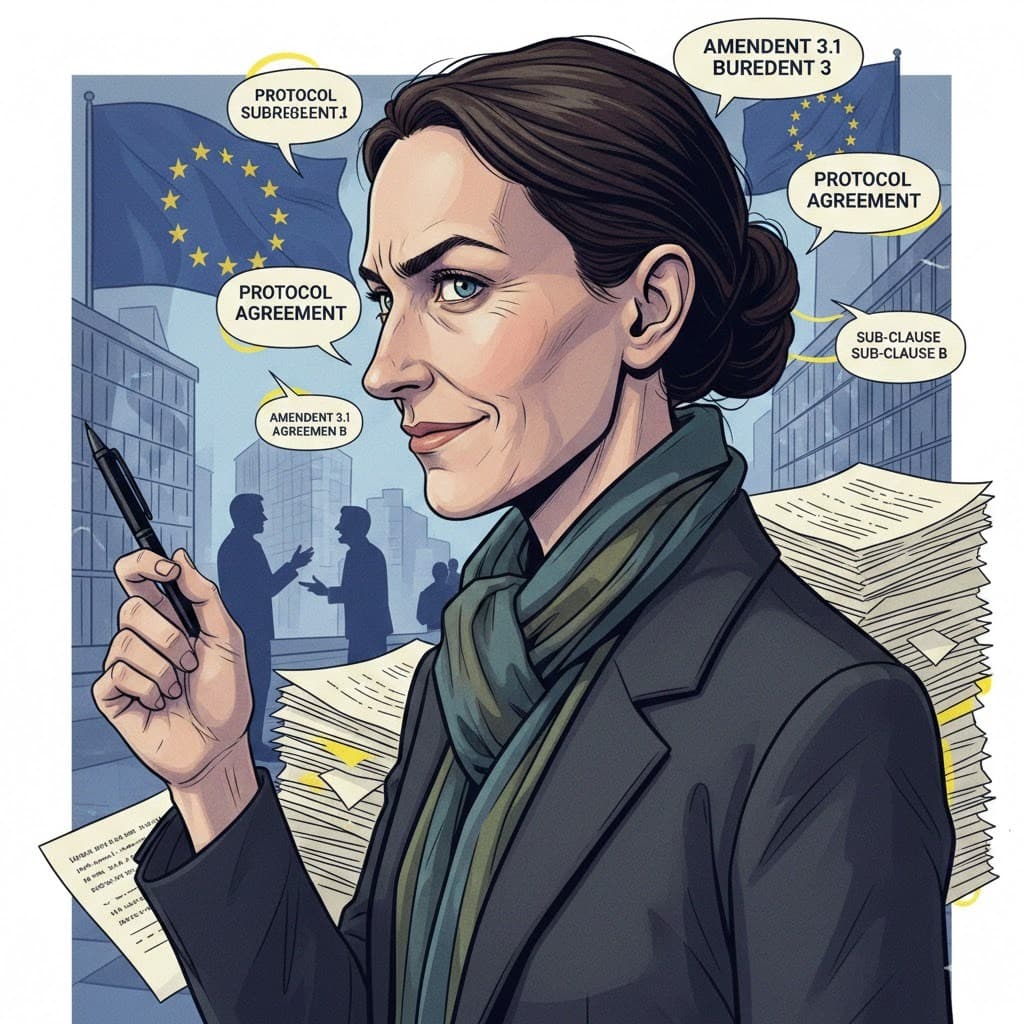
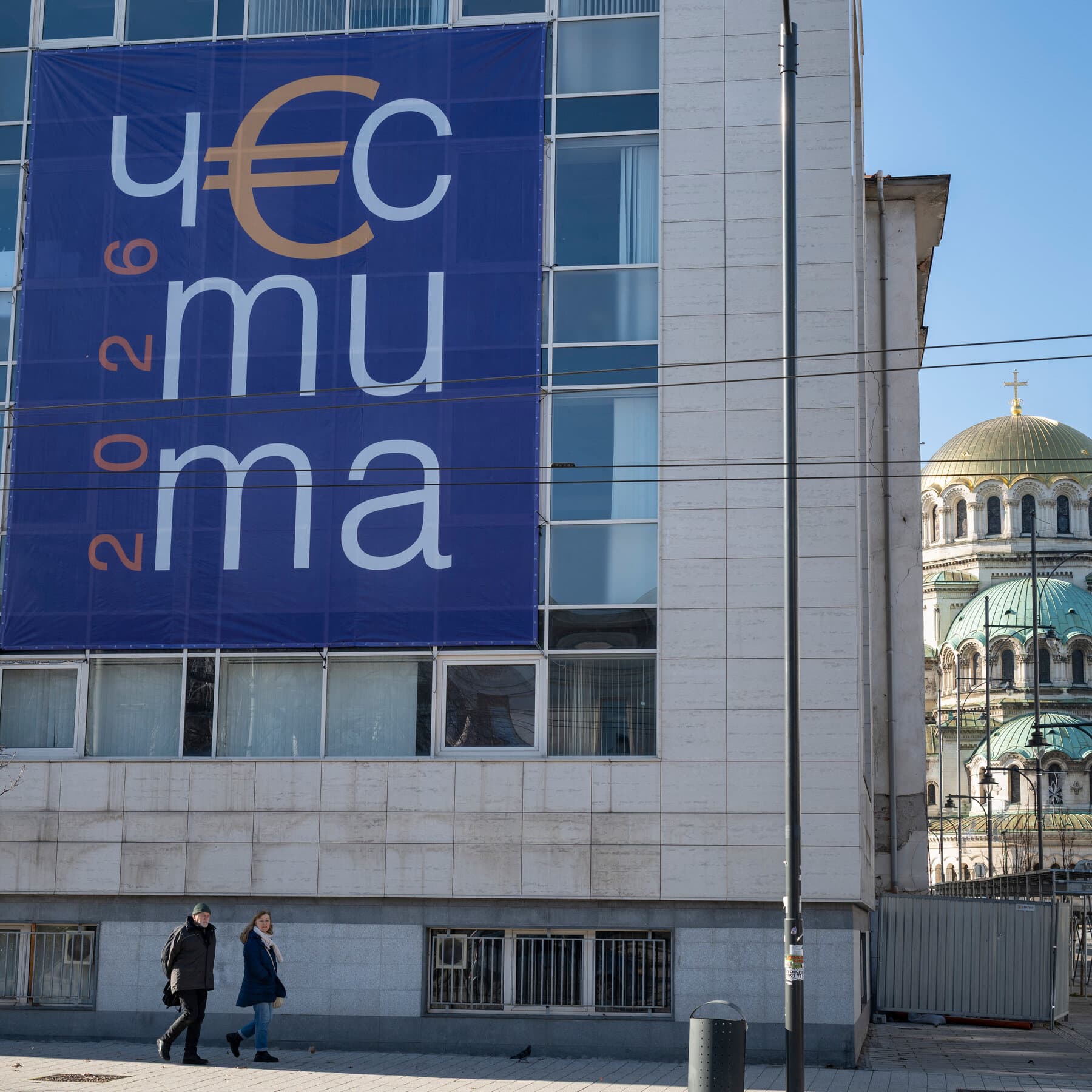
So, it is finally happening. **Bulgaria adopts the Euro**, taking the lev—their money, their history, their symbol of independence—and throwing it into the trash bin. As we witness this major **Eurozone expansion**, the most shocking part is that nobody seems to care. The news reports regarding the **Bulgarian Lev to Euro** switch say there are "few tears." It is almost funny, in a dark, tragic way. Usually, when a country kills its own money, people scream. They wave flags. They talk about freedom and pride. But for this **Bulgaria currency change**, it is just a shrug. They are trading the lion (that is what 'lev' means) for a boring bridge on a Euro note that does not even exist in real life.
Why the silence? Why the lack of fight? It is simple. The people are exhausted. You cannot blame them. The report mentions "political upheaval," which is a very polite way of saying the country has been a mess. They have had election after election. Politicians come, they scream, they make promises, and then nothing changes. The people are tired of the noise. When you do not know who will be in charge next week, changing the coins in your pocket feels like a very small problem. It is hard to fight for the honor of your money when your parliament looks like a circus that caught on fire.
This is the sad truth about modern Europe. We are told that the Euro is a prize. The suits in Brussels rub their hands together. They love this. They see a map and want every spot colored in the same shade of blue. They tell Bulgaria, "Come, join us. It is safe here." But is it? The Euro is not a magic shield. It is just a currency. Ask the Greeks how that worked out a few years ago. Ask the Italians if the Euro fixed their broken roads or their confusing laws. But for Bulgaria, the bar is so low right now that the Euro looks like a luxury item. They think it means they are finally "real" Europeans. It is a sad need for approval, like a teenager buying the same shoes as the popular kids, hoping they will finally be invited to the party.
Let’s talk about the money itself. The fear mentioned in the news is **inflation**. People are worried prices will go up. Let me tell you: they should be worried. They should be terrified. Every time a country switches to the Euro, the shopkeepers get "confused." Suddenly, a coffee that cost two levs costs two Euros. "Oh, it is the exchange rate," they say. It is never the exchange rate. It is greed. The politicians promise strict rules. They say, "We will watch the prices! We will protect you!" Please. Do not make me laugh. These people cannot even form a stable government. You think they can stop a grocery store from charging an extra fifty cents for bread? It is laughable.
There is a deep cynicism in this transition. The report mentions a "whisper of melancholy." That is a nice, poetic way of saying people are sad but too broken to fight back. The lev was theirs. It had their heroes on it. It had their history. Now they get generic windows and doorways. It is the ultimate victory of being boring. To be modern, apparently, you must be boring. You must look like everyone else. You must pay with the same money as the French and the Germans, even if your paycheck is a fraction of theirs.
The fact that there are "few tears" is not a sign of progress. It is a sign of despair. It is the admission that "we cannot do this alone." It is saying that a decision made in a glass tower in Frankfurt or Brussels is better than a decision made in Sofia. And honestly? Given the track record of the Bulgarian government lately, maybe the people are right. That is the real sting. The cynic in me wants to mourn the loss of culture, but the realist looks at the local politicians and says, "Take the Euro. Run. Maybe the Germans will manage the money better than you did."
So, goodbye to the lev. It served its time. It survived wars and communism, but it could not survive the need for convenience. Bulgaria joins the club. They get a seat at the big table. But they might soon find out that the food at the big table is very expensive, and nobody listens when the small countries talk. Welcome to the Eurozone, my friends. It is not paradise. It is just a bigger, more expensive waiting room where we all pretend we know what we are doing.
### References & Fact-Check
* **Event Confirmation**: Bulgaria has officially adopted the Euro as of early 2026, replacing the Lev after years of preparation and political delays. * **Original Report**: [Bulgarians Adopt the Euro With a Whisper of Melancholy but Few Tears](https://www.nytimes.com/2026/02/04/world/europe/bulgaria-euro-lev-european-union.html) - *The New York Times* * **Context**: The transition highlights ongoing political instability in Sofia and public concerns regarding post-adoption inflation.
This story is an interpreted work of social commentary based on real events. Source: NY Times